2 billion exposed passwords: Gmail, Facebook, Netflix logins found open online
A researcher found an unprotected database of about 2 billion logins, including 608 million Gmail ones. It's the biggest credential collection he has ever seen.
 SUMO· the number puzzle
 Dialo· learn languages by speaking
 ediviewer· read EDI files like documents
 giftdetect· the right gift in minutes
Nobody had locked the door. Security researcher Jeremiah Fowler found a database holding roughly 2 billion exposed passwords and logins, with no password and no encryption protecting it. Anyone who found it could have read it.
"By volume and scale, this is the largest collection of credentials I have discovered in all my years as a security researcher," Fowler wrote in his report, published through ExpressVPN on 24 November. It is more than 13 times bigger than the 149 million password database he found in January.
Which accounts are in the exposed database?
Almost every big service shows up. Fowler counted about 608 million Gmail logins, 114 million for other Google services, 88 million Facebook, 41.7 million Roblox, 36.6 million Amazon, 32.9 million X and 31 million Instagram. Netflix has nearly 20 million, PayPal over 15 million and Binance close to 2 million. More than 61 million belong to .gov addresses. Some folders are sorted by country, with labels like US, UK, DE and FR, so French users are affected too.
The numbers are estimates. One account can appear several times, and some passwords are probably out of date. Two billion records does not mean two billion victims, Fowler stresses.
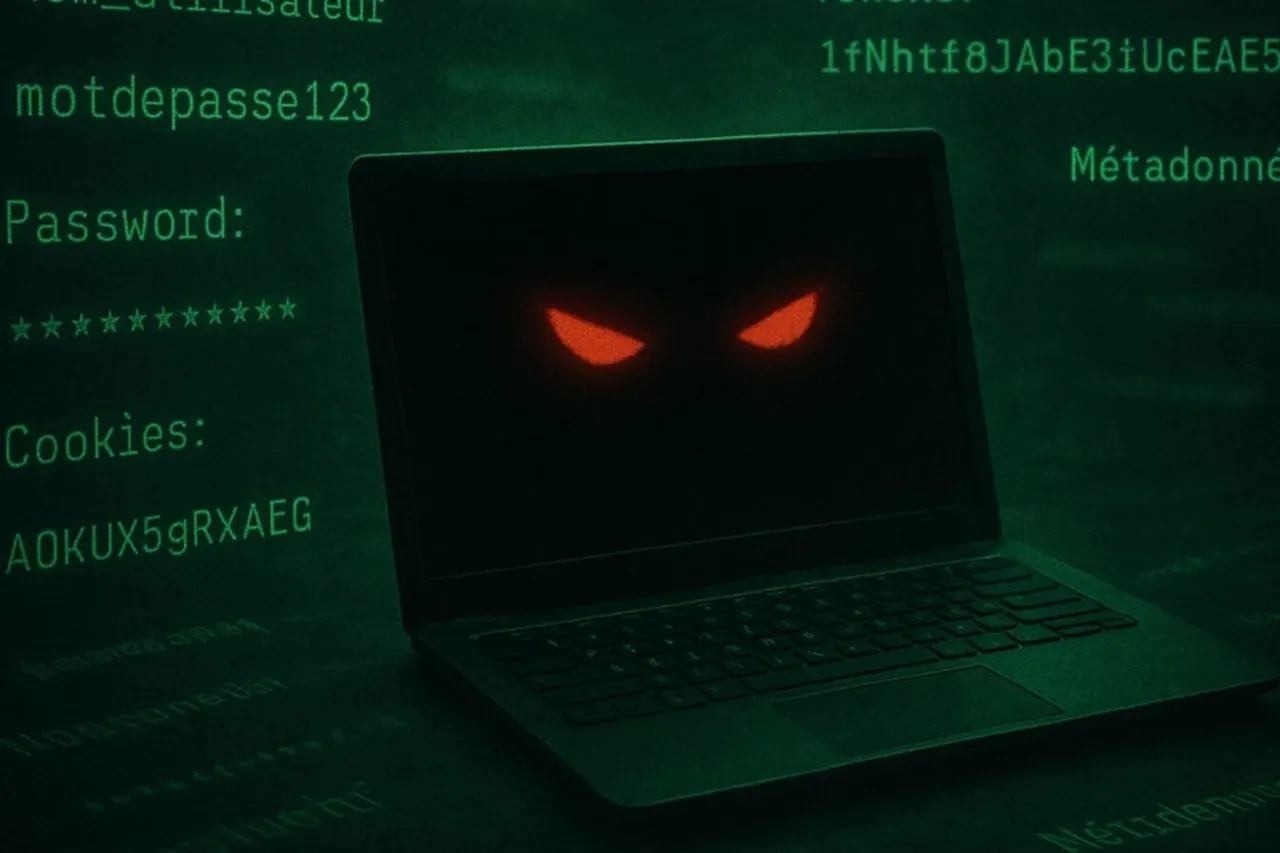
The files also hold cookies and session tokens, small files that keep you logged in. A criminal who grabs one can get into your account without your password and without two-factor authentication. About 400,000 documents list installed apps, saved passwords, clipboard contents and technical details of the victim's computer. Fowler also found thousands of .onion dark web addresses with usernames and passwords, something he says he had never seen in a leak like this.
Who is behind it, and what should you do?
Fowler believes the data was stolen by infostealers, malware that vacuums up whatever your browser and apps have saved, or logs your keystrokes. Flashpoint estimates they infect more than 10 million devices a year. Nobody knows who owns the database. It could belong to a marketplace or a reseller of stolen credentials. Fowler alerted the host, which cut access a few days later.
Changing passwords is not enough if the malware is still on your machine, because it can steal the new ones too. Scan your device with antivirus first. Only once it is clean should you set new passwords, and switch on two-factor authentication, ideally with an authenticator app or a security key.
Apps worth a look
SUMO: the number puzzleTap the right tiles, add them up, hit the target. Easy to learn, hard to master. Free, for all ages.
Dialo: learn languages by speakingTalk to an AI conversation partner; every sentence comes back corrected and explained in your language. 9 languages, A1 to C2.
ediviewer: read EDI files like documentsOpen EDIFACT and X12 messages, see every segment explained, convert to JSON/XML, export PDF and Excel. Runs locally, no upload.
giftdetect: the right gift in minutesPick who it is for, the occasion and their personality. The search engine reads product descriptions from local shops and ranks what fits. Free, no sign-up.