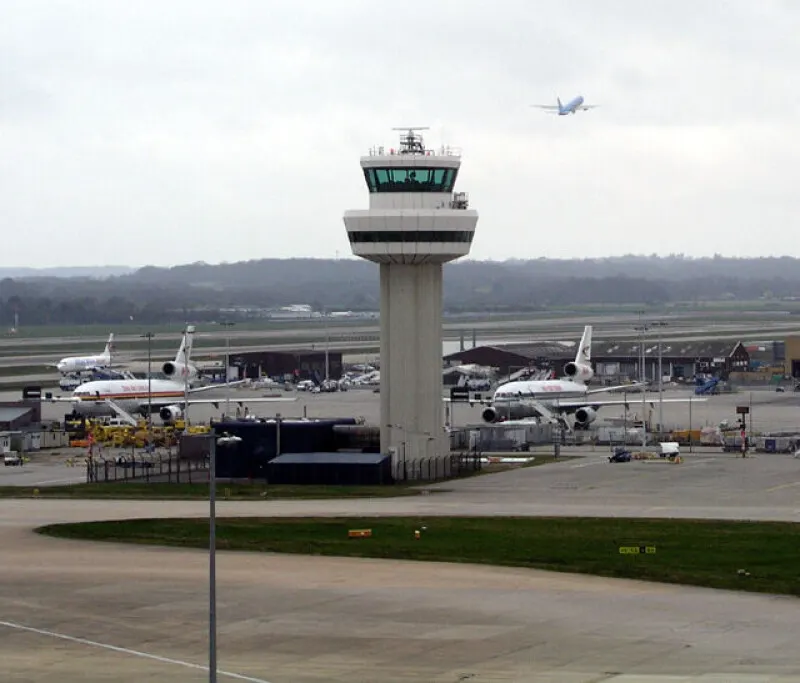
GPS jamming over the North Sea hit 140 flights in 20 minutes
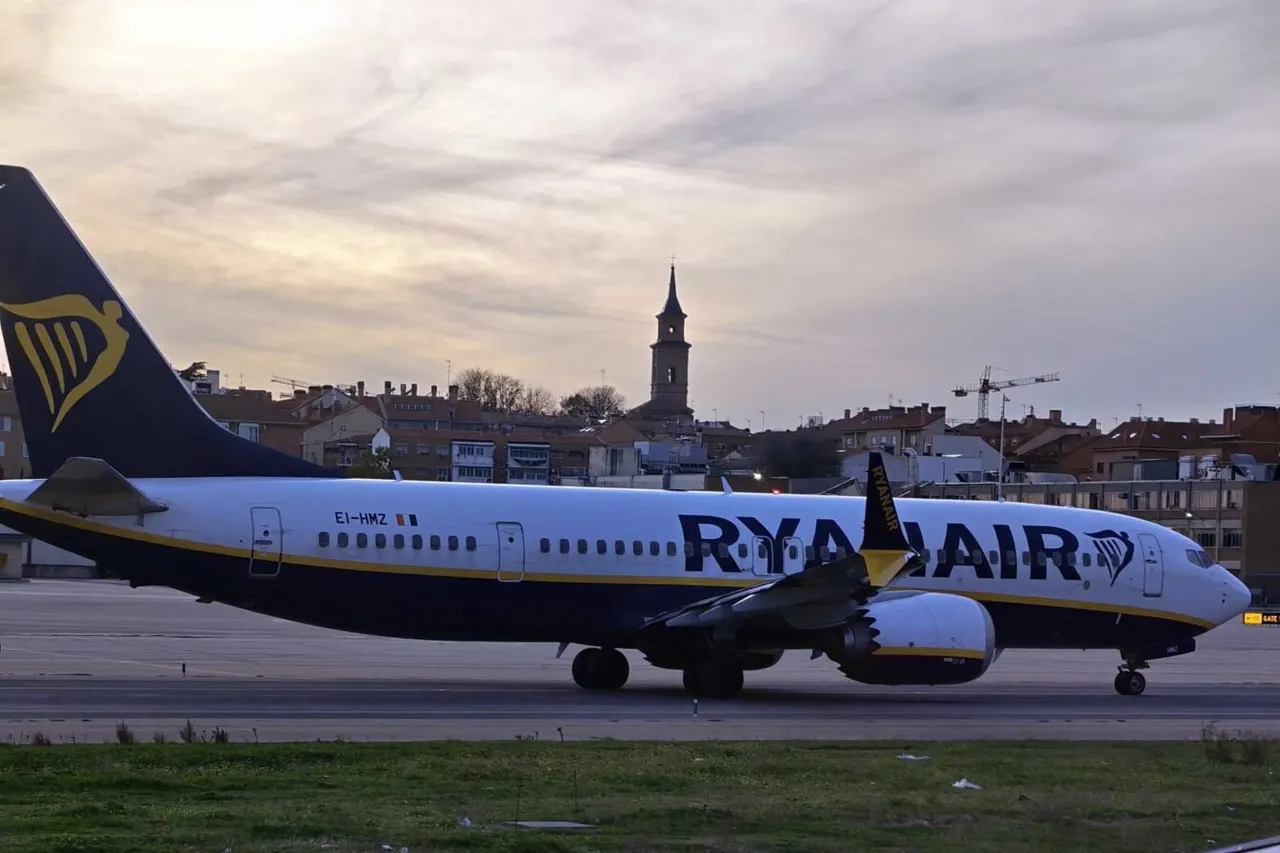
About 140 flights, including Ryanair, easyJet and British Airways, lost GPS on 9 November. The likely source was a single transmitter in the North Sea, near a Russian convoy.
 SUMO· the number puzzle
 Dialo· learn languages by speaking
 ediviewer· read EDI files like documents
 giftdetect· the right gift in minutes
GPS jamming over the North Sea knocked out satellite navigation on roughly 140 flights on 9 November, and the likely source was a single radio transmitter sitting next to a Russian naval convoy. The planes were never in danger. The location is what worries people.
The interference lasted about twenty minutes, according to analysis by aviation intelligence firm Hexbird, first revealed by The i Paper. Affected flights included a Ryanair service to Rome, an easyJet flight to Hurghada in Egypt and a British Airways flight to Stockholm, with departures from Edinburgh, Manchester and London Heathrow. Around 40 aircraft were in or near British airspace. Dutch air traffic control said seven flights that reported losing GPS were guided to Amsterdam Schiphol.
Who is behind the North Sea GPS jamming?
Hexbird traced the probable source to one transmitter about 300 kilometres off the English coast. At the same time, three Russian cargo ships, the Lady R, the Lady D and the Maia-1, were passing through under the escort of a Russian warship. Their owners are under British, American and European sanctions. A French vessel and a Dutch ship were shadowing them.
Hexbird is cautious: its analysis does not name the convoy as the source, but does not rule it out. Former naval intelligence officer James Droxford is blunter. He says the warship was "almost certainly" responsible, not the merchant vessels, perhaps to discourage NATO surveillance. Ramsey Faragher of the Royal Institute of Navigation also points to a dedicated military platform, given the power and reach of the signal. Electronic warfare specialist Thomas Withington says it would be an escalation, and the furthest west he has seen.
Not everyone agrees on what happened. UK air traffic provider Nats says no pilot reported GPS jamming that day, and the British government declined to comment. KLM did report it to the authorities, calling jamming and spoofing a "growing international phenomenon".
Why weren't the planes in danger?
Jamming drowns out the very faint satellite signals with a stronger radio signal, so the receiver can no longer work out its position or the time. Spoofing is different: it feeds the receiver false positions. Airliners don't rely on GPS alone, they carry backup navigation, and pilots train to fly without satellites. The i Paper reported no operational impact.
The bigger fear is a pile-up of failures. Eric Schouten, a former Dutch intelligence officer, called jamming of this scale during an air traffic control failure an "apocalyptic scenario". Faragher added that the UK was lucky it happened so far offshore, since mobile networks and DAB digital radio also depend on satellite timing.
Jamming has grown for years near Russia's borders, especially around Kaliningrad. In 2025, Ursula von der Leyen's plane was disrupted in Bulgaria by interference attributed to Russia. Moscow says its jammers protect against Ukrainian drones.
Apps worth a look
SUMO: the number puzzleTap the right tiles, add them up, hit the target. Easy to learn, hard to master. Free, for all ages.
Dialo: learn languages by speakingTalk to an AI conversation partner; every sentence comes back corrected and explained in your language. 9 languages, A1 to C2.
ediviewer: read EDI files like documentsOpen EDIFACT and X12 messages, see every segment explained, convert to JSON/XML, export PDF and Excel. Runs locally, no upload.
giftdetect: the right gift in minutesPick who it is for, the occasion and their personality. The search engine reads product descriptions from local shops and ranks what fits. Free, no sign-up.
More from this day
See all →
Samsung TV-I: a TV that pauses when you leave the sofa
EDF Tempo red day on 26 November: earliest since 2014

2 billion exposed passwords: Gmail, Facebook, Netflix logins found open online