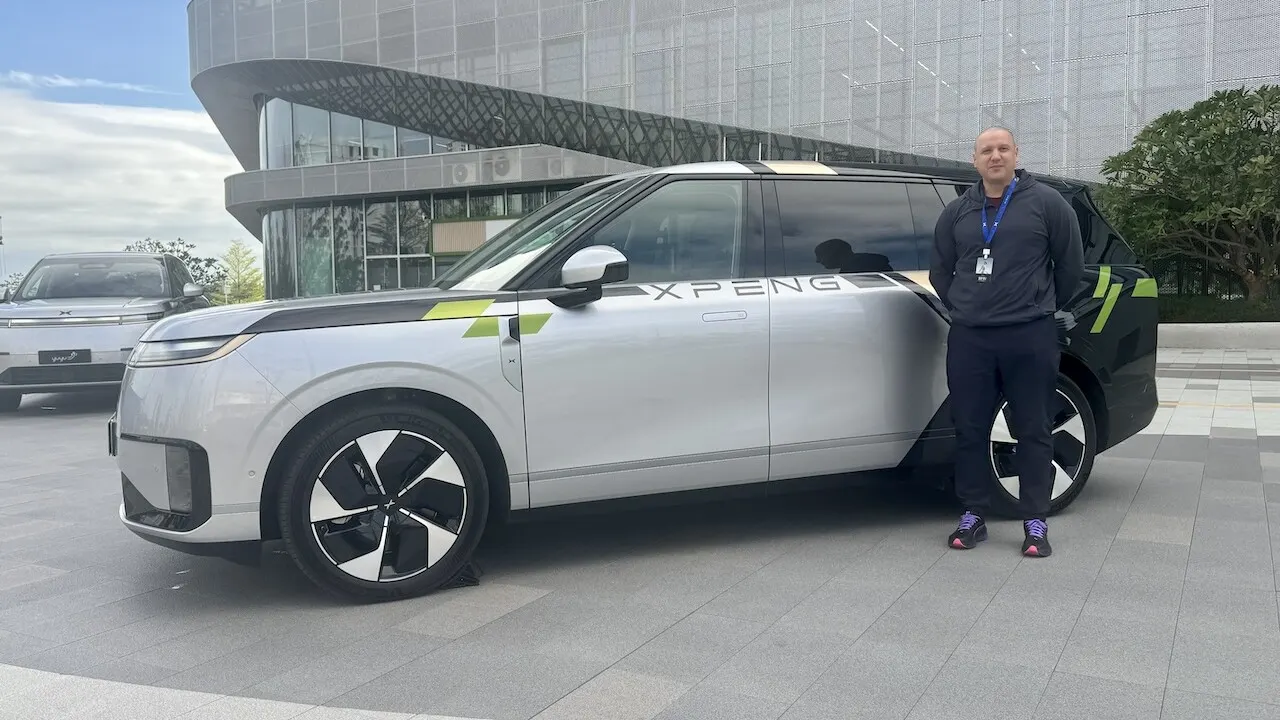
Xpeng Yoyo robotaxi tested: 30 minutes in a car with a fridge
Xpeng's Yoyo robotaxi has a fridge, massaging seats and automatic doors. A 30-minute ride in Guangzhou showed a smooth driver, with a few ghost pedestrians on screen.
 SUMO· the number puzzle
 Dialo· learn languages by speaking
 ediviewer· read EDI files like documents
 giftdetect· the right gift in minutes
The Xpeng Yoyo robotaxi has a fridge on board. That was the surprise of a 30-minute, 10 km ride around the company's headquarters in Guangzhou, during its AI Days 2026 event, and it says a lot about how Xpeng wants to sell self-driving cars.
The ride took place at 2 pm, outside rush hour, with a safety operator behind the wheel. The rules were simple: seat belt on, hands off the wheel, and no talking to the operator, who is only there to take over if something goes wrong. The car handled junctions, scooters and right-of-way smoothly. The on-screen map showed road markings, signs, speed limits and traffic lights in detail.
There was one flaw. The display showed a few pedestrians and vehicles that were not in the real scene. Probably the system seeing too much rather than too little, but it needs fixing before Xpeng can sell Level 4 autonomy (no human needed) to the public.
What is the Xpeng Yoyo robotaxi?
Yoyo means roughly "to move freely" in Chinese. Unlike Waymo, which fits kits onto existing cars, Xpeng built Yoyo at the factory on its GX platform. It uses cameras only, with no LiDAR and no HD maps, and runs on Xpeng's VLA 2.0 model and Turing AI chips (3,000 TOPS of onboard computing). VLA 2.0 triggers manoeuvres straight from camera images, with a reaction time under 80 milliseconds.
Inside, it has five seats, ventilated, heated, massaging zero-gravity seats, a fridge, tablets, many screens and charging sockets, a two-zone sunroof and fully automatic doors. Faux leather and metal replace most hard plastic.
Can you ride a Yoyo today?
Not commercially. The app accepts invitation codes, and demonstration operations were approved in Guangzhou on 26 October. Most rides have a safety operator, except in a small zone near the factory where the car already drives with nobody aboard. Commercial launch is targeted for 2027 in China. For other countries, the team said it would be "a whole other story", since each has its own regulations.
Xpeng also does not plan to run big fleets itself. It wants to supply the vehicle, software and AI to partners who operate the services. Fleet size, fares and city timetable remain unanswered for now.
Apps worth a look
SUMO: the number puzzleTap the right tiles, add them up, hit the target. Easy to learn, hard to master. Free, for all ages.
Dialo: learn languages by speakingTalk to an AI conversation partner; every sentence comes back corrected and explained in your language. 9 languages, A1 to C2.
ediviewer: read EDI files like documentsOpen EDIFACT and X12 messages, see every segment explained, convert to JSON/XML, export PDF and Excel. Runs locally, no upload.
giftdetect: the right gift in minutesPick who it is for, the occasion and their personality. The search engine reads product descriptions from local shops and ranks what fits. Free, no sign-up.
More from this day
See all →
Mozilla Firefox on iPhone: 55,000 firms ask the EU to act on Apple

Phone battery draining fast? Background location may be why

ChatGPT Chat and Codex limits are merging, and some Pro users already see it

Wero on Steam: how to pay with it in France, and the catch
More in: Automotive
See all →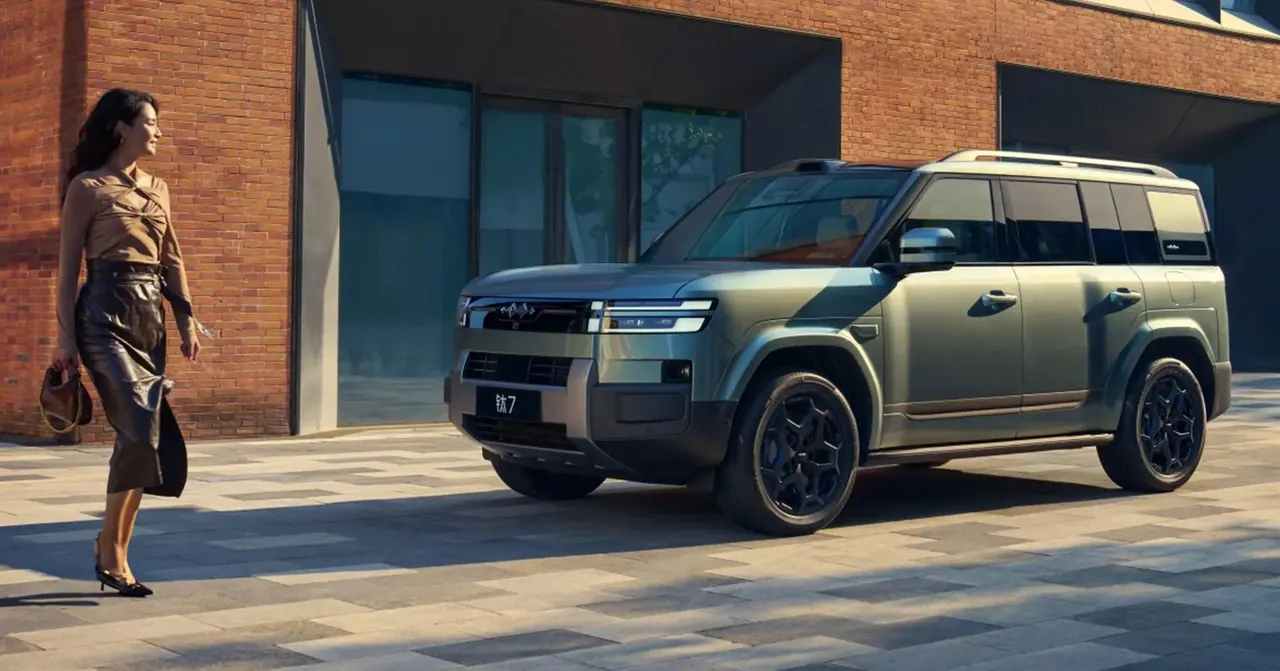
BYD Ti7 banned in the EU after Hague court rules on Defender design
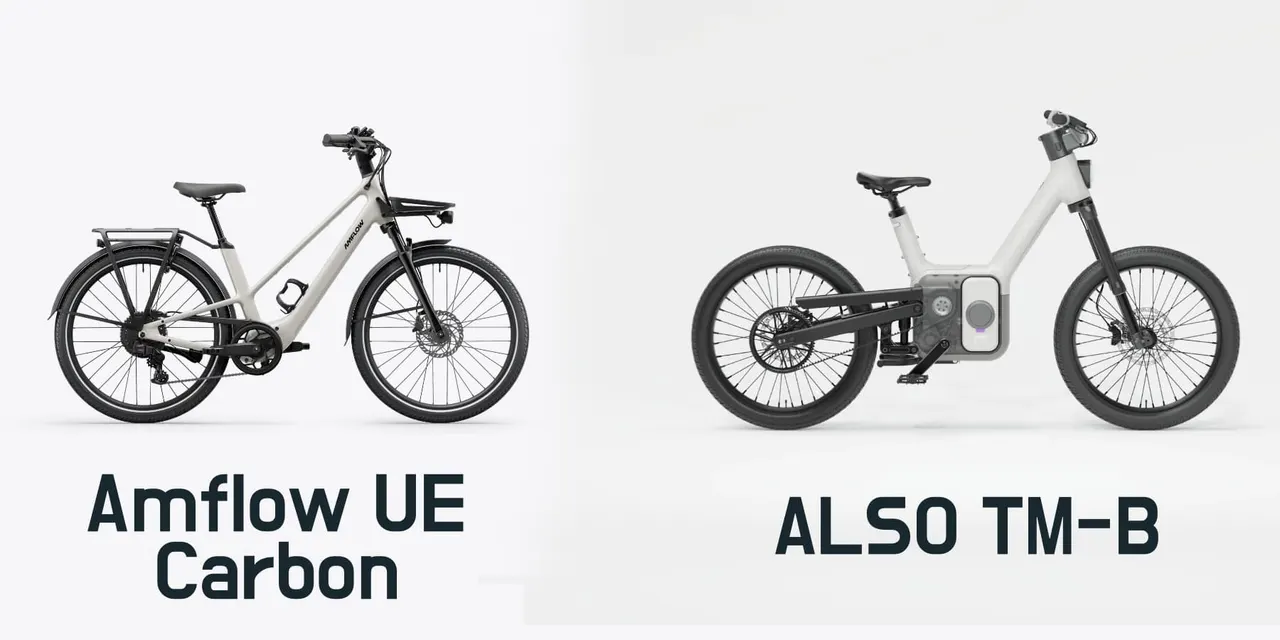
Amflow UE e-bike lands well while Rivian's ALSO halts TM-B deliveries
Huawei Qiankun cars park themselves in circles at night in China