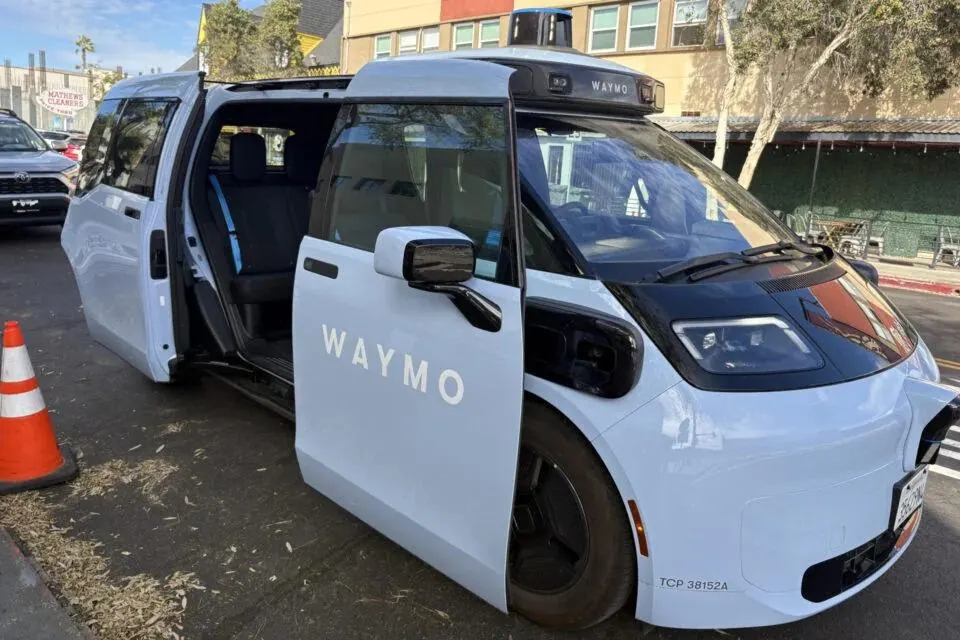
Huawei Qiankun cars park themselves in circles at night in China
Videos from Chinese car parks show empty electric cars parking, leaving and parking again at 6 am. A Huawei contest that rewards auto-parking is the likely cause.
 SUMO· the number puzzle
 Dialo· learn languages by speaking
 ediviewer· read EDI files like documents
 giftdetect· the right gift in minutes
At 6 in the morning, in an empty underground car park in China, two electric Avatr cars, an Avatr 06 and an Avatr 12, swing into their bays side by side, in perfect sync. Nobody is inside. Security cameras caught it, and similar clips of Huawei Qiankun cars parking over and over are now circulating on Chinese social media.
The explanation is less spooky than it looks. Huawei ran a contest rewarding use of its automatic parking system.
Why are Huawei Qiankun cars parking by themselves at night?
From 31 October to 13 November 2026, the second edition of the Huawei Qiankun intelligent driving championship drew more than 190,000 participants. In the parking category, the 100 users with the most successful automatic parking manoeuvres won points they could spend with the brand. Some owners apparently repeated the manoeuvre again and again to climb the ranking. One driver claims to have reached 1,000 sessions in 24 hours.
There is a catch. The clips show cars moving between midnight and 6 am, but the count stopped at 10 pm. Whether it was a timing setting or a misreading of the rules, those night-time laps earned their owners no extra points.
Remote control, sensors or a bug?
Three explanations are possible. Owners may have started the manoeuvres on purpose from their phones through the app, which supports remote parking. Poor lighting, faded road markings or tight spaces can also confuse a car, which then retries the same parking manoeuvre again and again. The last option is a software bug, though that has not been confirmed.
Chinese rules cap automatic parking at 30 km/h and require constant human supervision. For Avatr, the technical documentation lists a maximum manoeuvre speed of 5 km/h and an emergency stop if an obstacle appears.
Whatever the cause, the episode is a reminder that parking assistance is still far from foolproof.
Apps worth a look
SUMO: the number puzzleTap the right tiles, add them up, hit the target. Easy to learn, hard to master. Free, for all ages.
Dialo: learn languages by speakingTalk to an AI conversation partner; every sentence comes back corrected and explained in your language. 9 languages, A1 to C2.
ediviewer: read EDI files like documentsOpen EDIFACT and X12 messages, see every segment explained, convert to JSON/XML, export PDF and Excel. Runs locally, no upload.
giftdetect: the right gift in minutesPick who it is for, the occasion and their personality. The search engine reads product descriptions from local shops and ranks what fits. Free, no sign-up.
More from this day
See all →
GTA VI PC port Leonida pulled after Take-Two DMCA notice

Binance hack: North Korea has laundered $247 million so far

Chrome update fixes critical flaw that escapes the sandbox
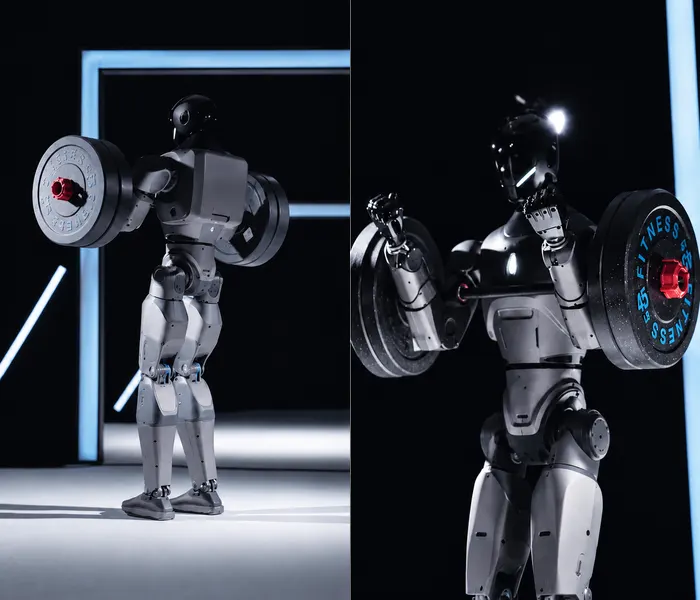
Phantom MKII humanoid robot can carry 90 kg, its own weight
More in: Automotive
See all →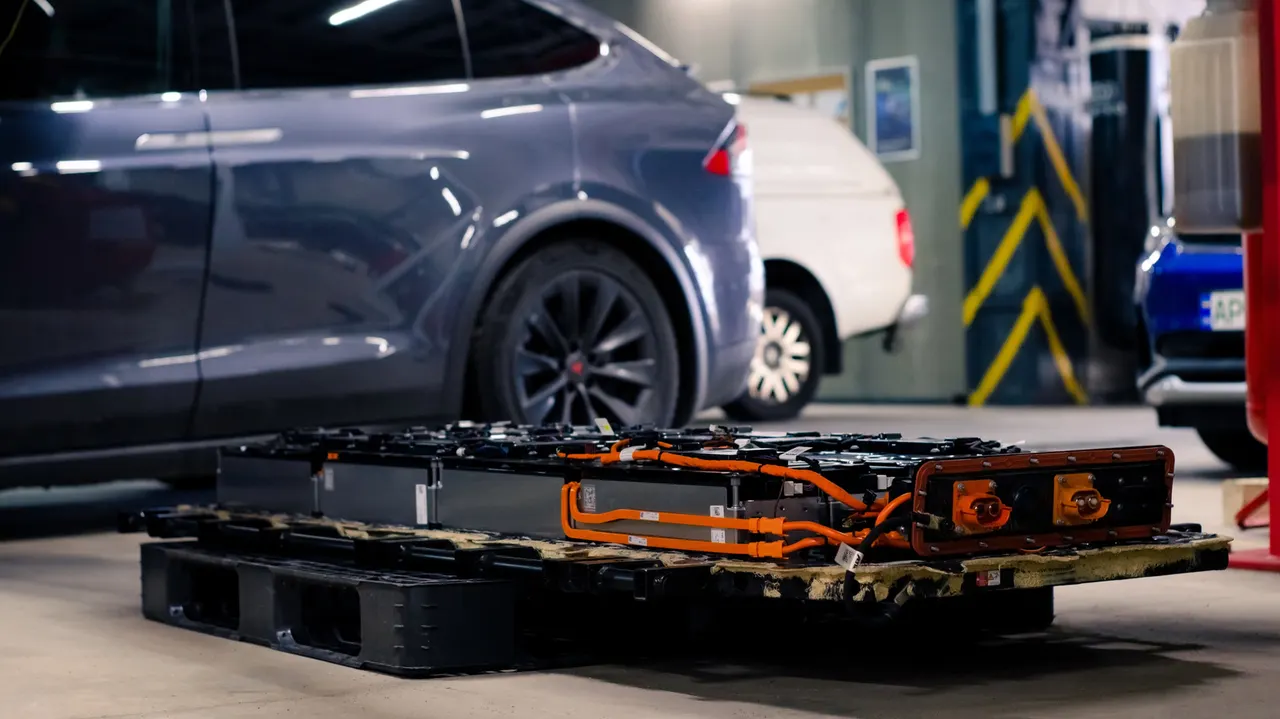
Tesla battery replacement cost: $12,600 to $20,000 and up
New York bans car feature subscriptions like heated seats

Mercedes G63 stolen in Valencia with a laptop and one ticket