NASA Perseverance and Odyssey Mars missions paused by faults
Two of NASA's four working Mars missions have stopped science. Perseverance has a radio problem, and Odyssey may have only one to two months of fuel left.
 SUMO· the number puzzle
 Dialo· learn languages by speaking
 ediviewer· read EDI files like documents
 giftdetect· the right gift in minutes
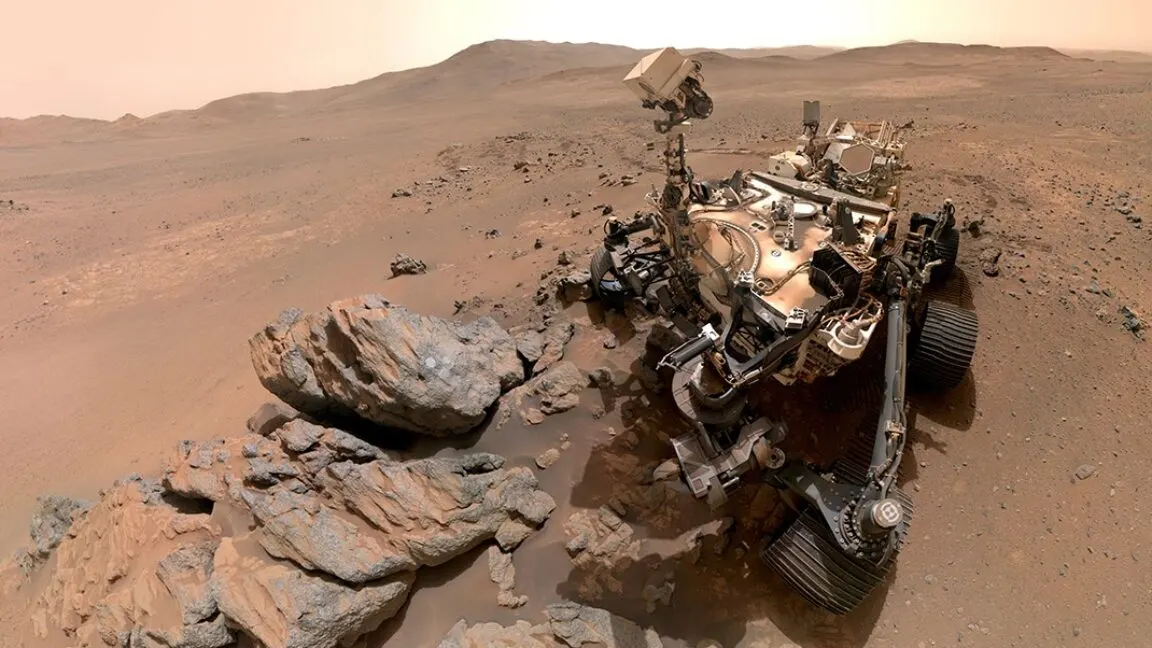
Half of NASA's active Mars missions are currently sitting idle. The Perseverance rover and the Odyssey orbiter have both suspended science after separate technical faults, and one of them looks a lot more serious than the other.
Perseverance, now in its sixth year on Mars, has a radio problem. On October 30, one of its two UHF radios (the high-rate link used to talk to orbiters that relay data to Earth) did not respond at power-up. The rover switched automatically to the backup and went into safe mode. Engineers at the Jet Propulsion Laboratory later found that the backup was transmitting at about half its expected power. The team has stopped using both radios while it looks for causes.
For now, Perseverance talks to Earth directly over a separate X-band system, at a "significantly lower data rate." Science is paused "out of an abundance of caution." NASA says the team hopes the rover can return to science by the end of November. It was only last month that Perseverance passed Opportunity's record of 28.06 miles (45.16 km) for the farthest drive on another planet.
What is wrong with the Odyssey orbiter?
Odyssey has been at Mars since 2001, the longest-lived Mars mission ever. In early November, one of its four reaction wheels, which are spinning wheels used to point the spacecraft, stopped turning. One had already failed in 2013, so only two good wheels remain. The orbiter needs three.
Without them, Odyssey must steer with hydrazine thrusters, which burn fuel. Engineers estimate the fuel would last one to two months in that mode. Before the failure, managers hoped extremely frugal use would keep it going through at least the end of 2028. Ground teams have had some early success troubleshooting the wheel, but more testing is needed to know if it can be recovered.
Why it matters for Mars
Odyssey is one of four orbiters that relay data from Perseverance and Curiosity. NASA already lost its MAVEN orbiter last December, when it spun out of control.
Help is planned. NASA gave Blue Origin a $700 million contract in September for a Mars Telecommunications Network orbiter, but the work is on hold while the Government Accountability Office reviews a protest from Rocket Lab. A ruling is expected next month.
Apps worth a look
SUMO: the number puzzleTap the right tiles, add them up, hit the target. Easy to learn, hard to master. Free, for all ages.
Dialo: learn languages by speakingTalk to an AI conversation partner; every sentence comes back corrected and explained in your language. 9 languages, A1 to C2.
ediviewer: read EDI files like documentsOpen EDIFACT and X12 messages, see every segment explained, convert to JSON/XML, export PDF and Excel. Runs locally, no upload.
giftdetect: the right gift in minutesPick who it is for, the occasion and their personality. The search engine reads product descriptions from local shops and ranks what fits. Free, no sign-up.
More from this day
See all →
Huawei found guilty of stealing trade secrets in New York trial
Android Auto black screen: Google Maps fails to load for drivers

Roku TV refresh rate setting: how to watch films at 24fps

Tesla SpaceX merger talks: five directors pick a $3.5 trillion deal
More in: Space
See all →
Pakistani astronaut Muhammad Zeeshan Ali heads to China's Tiangong station
NASA Lunar Reactor-1: Moon nuclear plant open to bids
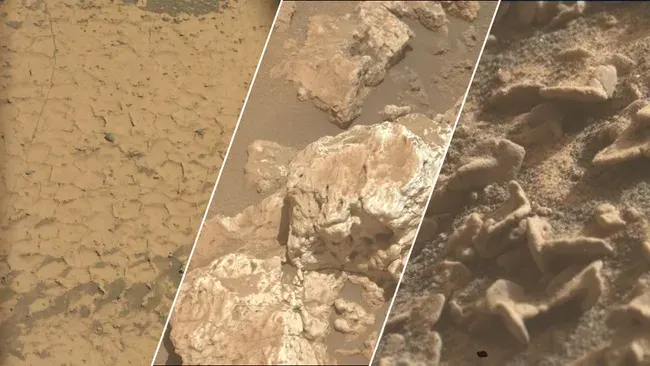
Mars rock "potato chips": what Curiosity and Perseverance found