Alice & Bob: RSA-2048 could fall to a 22,593-qubit quantum computer
French startup Alice & Bob estimates that breaking RSA-2048 would take about 22,593 physical qubits and 3.14 days, not millions of qubits. The catch is a long list of assumptions.
 SUMO· the number puzzle
 Dialo· learn languages by speaking
 ediviewer· read EDI files like documents
 giftdetect· the right gift in minutes
Breaking RSA-2048, the encryption behind many digital signatures, may not need a quantum machine with millions of qubits. French company Alice & Bob now estimates that 22,593 physical qubits and about 3.14 days of computing could do it. No such machine exists today.
RSA-2048 relies on a number 617 digits long. Multiplying two large primes is easy, but working backwards from the product to the primes is practically impossible for classical computers. Shor's algorithm, known since 1994, lets a big enough quantum computer do exactly that. The question has shifted from whether it works to how big the machine must be. In 2019 the estimate was around 20 million physical qubits. In 2025 Google's Craig Gidney brought it below one million.
The drop comes mostly from so-called cat qubits, which use superpositions of the electromagnetic field in superconducting resonators. They suppress one type of error, so far fewer extra qubits are needed for error correction. Add more efficient LDPC-cat codes and improvements to Shor's algorithm, and the hardware bill shrinks. A faster variant uses 610,530 qubits spread over ten machines and would finish in about 75 minutes.
Is the 22,593-qubit figure realistic?
Treat it with caution. You can't compare it directly with earlier estimates, because the models use different assumptions and architectures. The authors assume an extremely low error rate of one particular kind, roughly one error per qubit every hundred years. If it happened once an hour, the estimate rises to about 45,000 qubits. Cooling, control and speed requirements come on top. The study is a theoretical analysis that has not been peer reviewed, and Alice & Bob has an obvious interest in showing that its approach has a future.
Should banks be worried?
RSA-2048 is not the same thing as all bank encryption. Modern connections also use symmetric encryption such as AES, plus elliptic-curve key exchange. Breaking RSA does not automatically open someone's account. Shor's algorithm does threaten elliptic-curve cryptography too, though.
Defences exist. In 2024 the US NIST approved post-quantum standards, including ML-KEM for key exchange and ML-DSA for digital signatures. They need no quantum computer. They do need rollout, system updates and retiring old solutions, which in large financial infrastructure can take years.
Apps worth a look
SUMO: the number puzzleTap the right tiles, add them up, hit the target. Easy to learn, hard to master. Free, for all ages.
Dialo: learn languages by speakingTalk to an AI conversation partner; every sentence comes back corrected and explained in your language. 9 languages, A1 to C2.
ediviewer: read EDI files like documentsOpen EDIFACT and X12 messages, see every segment explained, convert to JSON/XML, export PDF and Excel. Runs locally, no upload.
giftdetect: the right gift in minutesPick who it is for, the occasion and their personality. The search engine reads product descriptions from local shops and ranks what fits. Free, no sign-up.
More from this day
See all →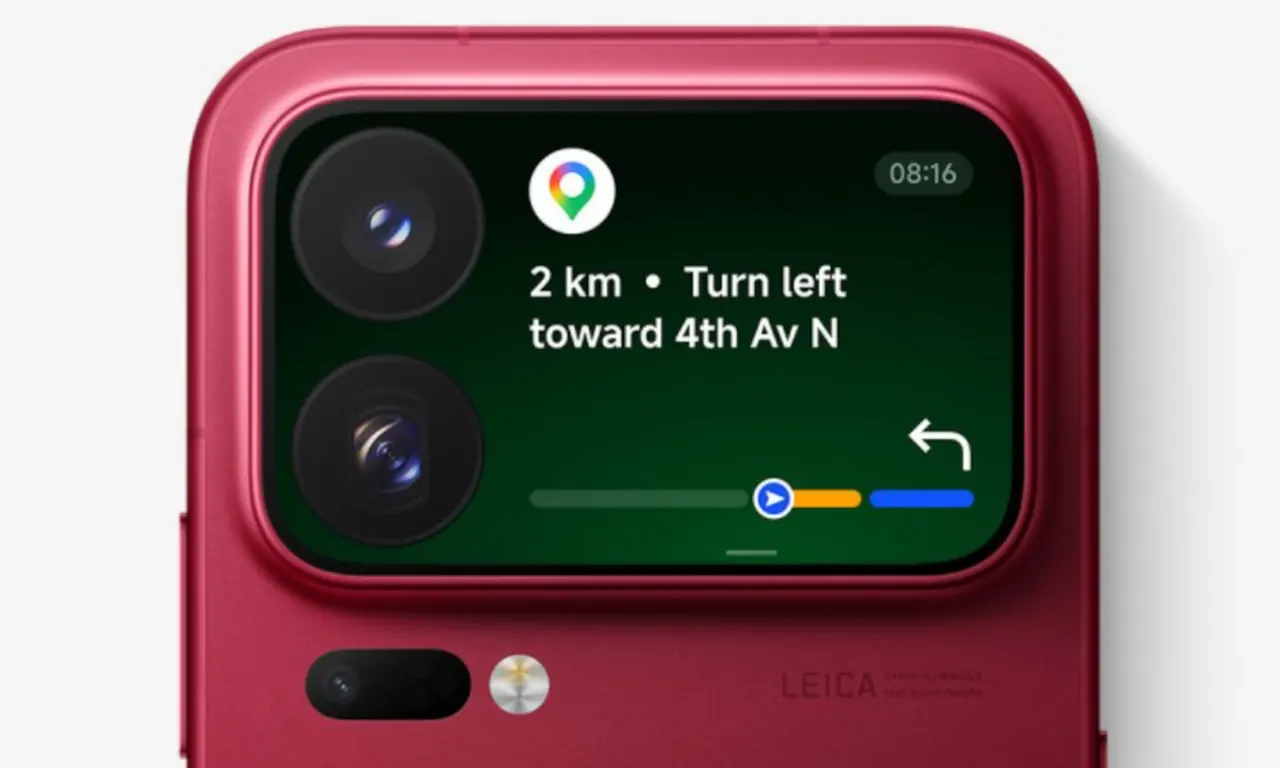
Xiaomi 18 Pro rear screen: Google Maps on the back of a phone
Nvidia China chip curbs could tighten after the Jensen Huang affair
Navigo pass on Samsung: what you lose by moving to Google
Asteroid mining could crash platinum prices by over 75%, MIT study
More in: Security
See all →
Danfoss AK-SM 800A flaws: supermarket fridge controllers still open

FaceStealer scam: fake 'you're on mute' calls tied to $400M
Daiso password notebook sells out as Japan's data leaks pile up