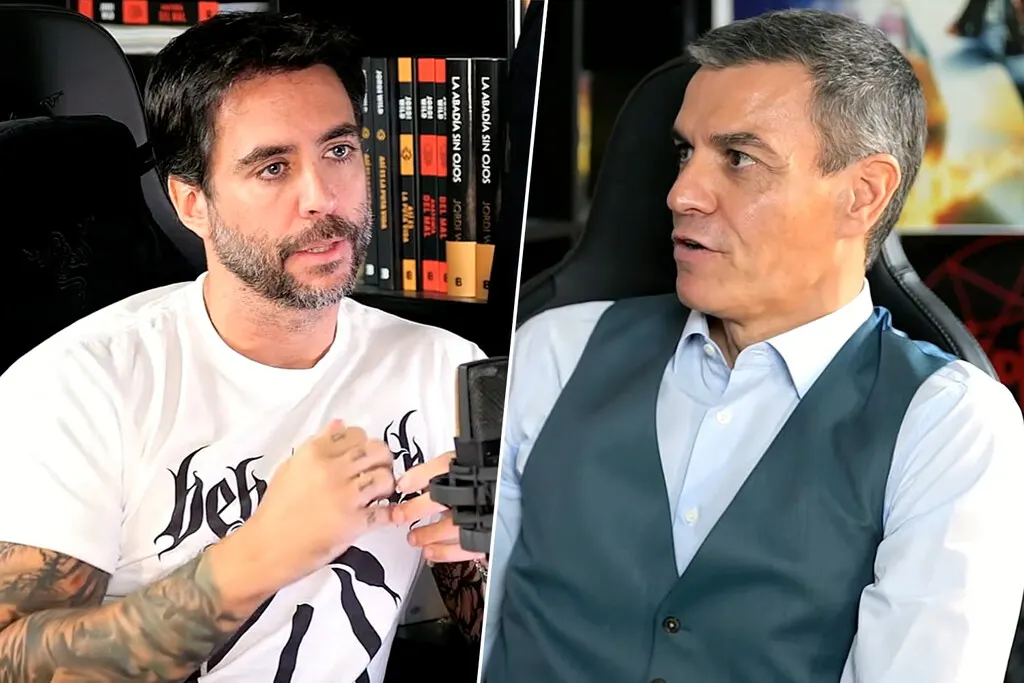
FaceStealer scam: fake 'you're on mute' calls tied to $400M
The FBI says North Korean hackers used fake Zoom calls with a silent friend and an audio 'fix' to steal $400M. Over 900 webcam videos were seized.

 SUMO· the number puzzle
 Dialo· learn languages by speaking
 ediviewer· read EDI files like documents
 giftdetect· the right gift in minutes
The trick behind the FaceStealer scam is almost embarrassingly ordinary: a video call where you can see your friend but can't hear them, and a message telling you to update your software. According to the FBI, that "fix" has helped North Korean hackers collect more than $400 million in 18 months.
On Thursday the US government said a court had authorized it to take down cloud infrastructure used in the scheme. Investigators also seized more than 900 webcam videos belonging to victims, which is where the name comes from. Separately, prosecutors got court approval to seize or restrain more than $1.2 billion stolen in last month's $6.3 billion Binance heist.
How does the FaceStealer scam work?
It starts with a meeting invite from a hijacked account, so the sender is someone you may really know. FBI Los Angeles agent Jeremy Robertson said the message often builds on past conversations or shared interests, and the calendar invite contains typo-squatted URLs, meaning addresses that look almost right.
The link opens a fake Zoom or Teams meeting. The attackers record your webcam while playing a prerecorded video of the person who supposedly invited you, sometimes a deepfake of a well-known crypto figure. You see their face and their lips moving, but hear nothing. A text box then says you need to upgrade your software to get audio, and offers a link.
That link installs malware that steals cryptocurrency and sends your contact list to the thieves, so the scam can move on to the next person.
Who is behind it, and who is targeted?
The FBI ties FaceStealer to Sapphire Sleet, a group also known as UNC1069, Stardust Chollima, APT38 and BlueNoroff, widely seen as an offshoot of the Lazarus Group. Targets are mainly people in crypto and web3, plus open source developers and maintainers. Hackers want access to the code repositories those developers control, as a first step toward supply chain attacks.
FBI Cyber Division assistant director Brett Leatherman said North Korean hackers increasingly mix intrusion, social engineering and tools like deepfakes to make impersonation more convincing.
On Binance, the FBI blames the October 29 theft on TraderTraitor, another North Korea-linked group. Binance said the attackers began preparing in June, using fake job interviews, malware, compromised internal AI tooling and an advanced transaction-authorization method. Investigators and private partners have helped freeze more than $2.7 billion of the stolen assets, and the court authorization covers over $1.2 billion of that.
Apps worth a look
SUMO: the number puzzleTap the right tiles, add them up, hit the target. Easy to learn, hard to master. Free, for all ages.
Dialo: learn languages by speakingTalk to an AI conversation partner; every sentence comes back corrected and explained in your language. 9 languages, A1 to C2.
ediviewer: read EDI files like documentsOpen EDIFACT and X12 messages, see every segment explained, convert to JSON/XML, export PDF and Excel. Runs locally, no upload.
giftdetect: the right gift in minutesPick who it is for, the occasion and their personality. The search engine reads product descriptions from local shops and ranks what fits. Free, no sign-up.
More from this day
See all →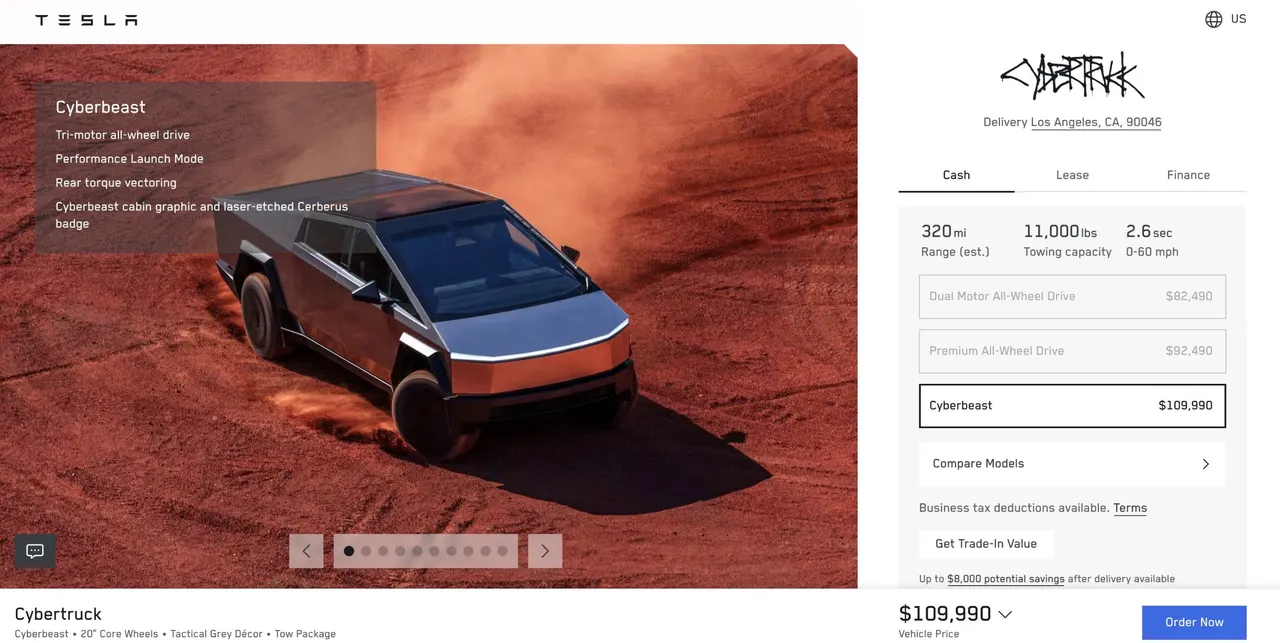
Tesla Cybertruck now starts at $109,990, up 57% since August
Gemini bank account connection: Google Wallet link explained
Prediction markets: House Oversight eyes limits on federal staff bets
Pixel Private Space bug: switching dark mode unhides it
More in: Security
See all →
Daiso password notebook sells out as Japan's data leaks pile up

Tinder GDPR fine: Irish regulator hits Match Group's EU arm

Uber data breach: drivers' license data stolen via Fireworks AI