AGH Student Designs Prosthesis With Side-Tilting Ankle Joint
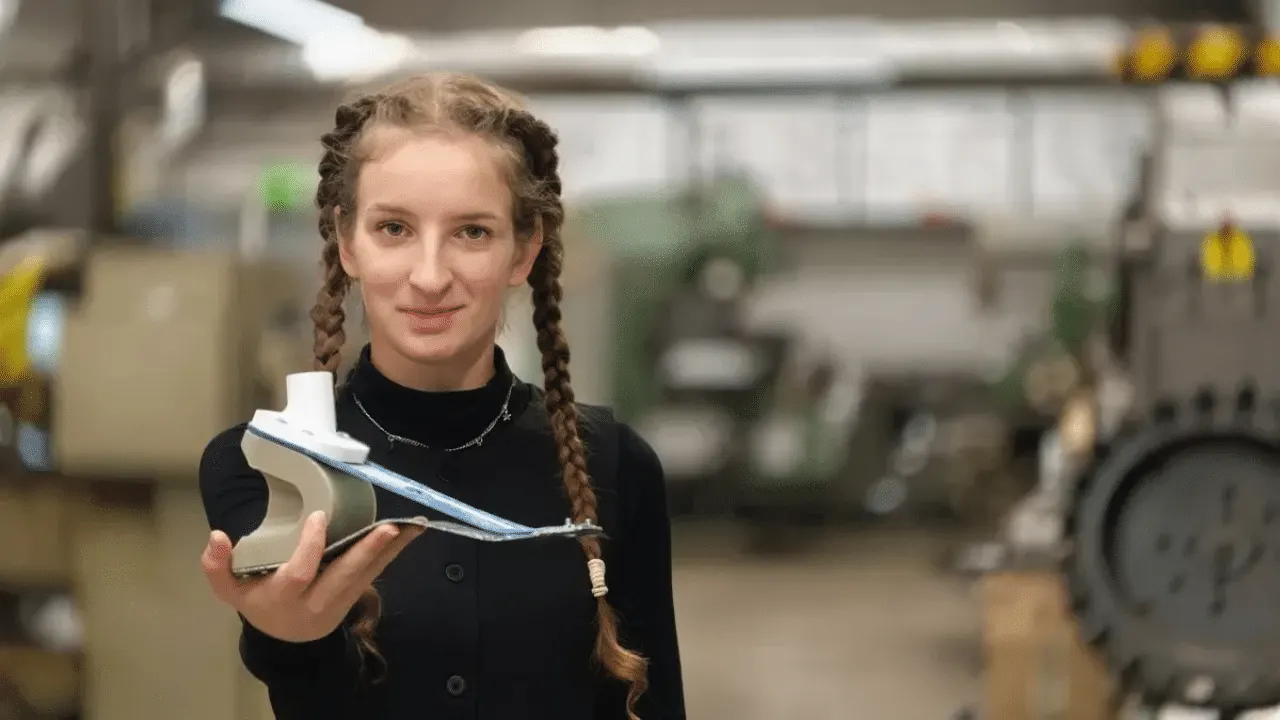
Agata Skalska of AGH Kraków has built a lower-limb prosthesis whose ankle moves sideways, aiming to help above-knee amputees walk on uneven terrain.
 SUMO· the number puzzle
 Dialo· learn languages by speaking
 ediviewer· read EDI files like documents
 giftdetect· the right gift in minutes
Agata Skalska, a student at the Faculty of Mechanical Engineering and Robotics at AGH University of Krakow, has designed a lower-limb prosthesis that targets one of the weakest points of current devices: the ankle. The solution is aimed at patients after amputation above the knee, who struggle with everyday movement on difficult ground.
A movable ankle for uneven ground
Most commercial prostheses have a rigid ankle joint, which makes walking considerably harder. Skalska set out to close what she saw as a major gap in the medical offer.
Her ankle module moves in the frontal plane, meaning from side to side. When a person steps on an uneven surface such as a stone, the ankle naturally tilts sideways to keep the body stable. The young researcher wanted to test whether the same kind of balance could be achieved in a prosthesis.
Light, strong materials
The design consists of four main elements, built from different materials. The sole is made of carbon fibre, valued for its stiffness, low weight and strength. Another part is made of more flexible glass fibre. The heel uses TPU, a rubber-like elastic material that returns to its original shape after bending.
The prototype passed strength tests. It was tested under loads of both 50 kg and 100 kg, and met all of the designer's assumptions.
The project was completed as an engineering thesis under the supervision of Prof. Krzysztofa Mendroka. The material provided does not say whether clinical trials or commercial production are planned.
Apps worth a look
SUMO: the number puzzleTap the right tiles, add them up, hit the target. Easy to learn, hard to master. Free, for all ages.
Dialo: learn languages by speakingTalk to an AI conversation partner; every sentence comes back corrected and explained in your language. 9 languages, A1 to C2.
ediviewer: read EDI files like documentsOpen EDIFACT and X12 messages, see every segment explained, convert to JSON/XML, export PDF and Excel. Runs locally, no upload.
giftdetect: the right gift in minutesPick who it is for, the occasion and their personality. The search engine reads product descriptions from local shops and ranks what fits. Free, no sign-up.
More from this day
See all →Sekoia: Fake Websites Used to Spy on iPhone and Android Users
Madica secures $6 million from Flourish Ventures for African startups

EU Court Adviser Warns Google Gemini May Breach Copyright

Apple Releases Xcode 27.3 Beta With Copilot and Siri AI Testing
More in: Science
See all →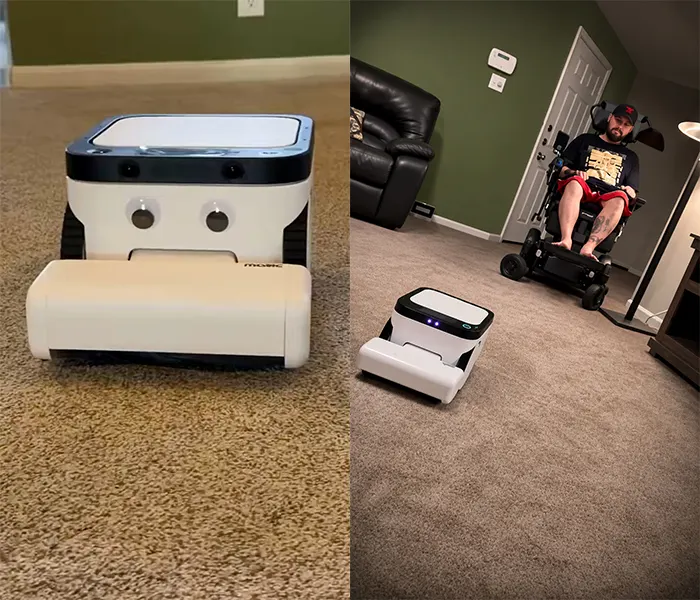
Neuralink Patient Steers a Matic Robot Vacuum With His Thoughts

AIM project: Núria López leads €4M EU push on AI waste recovery
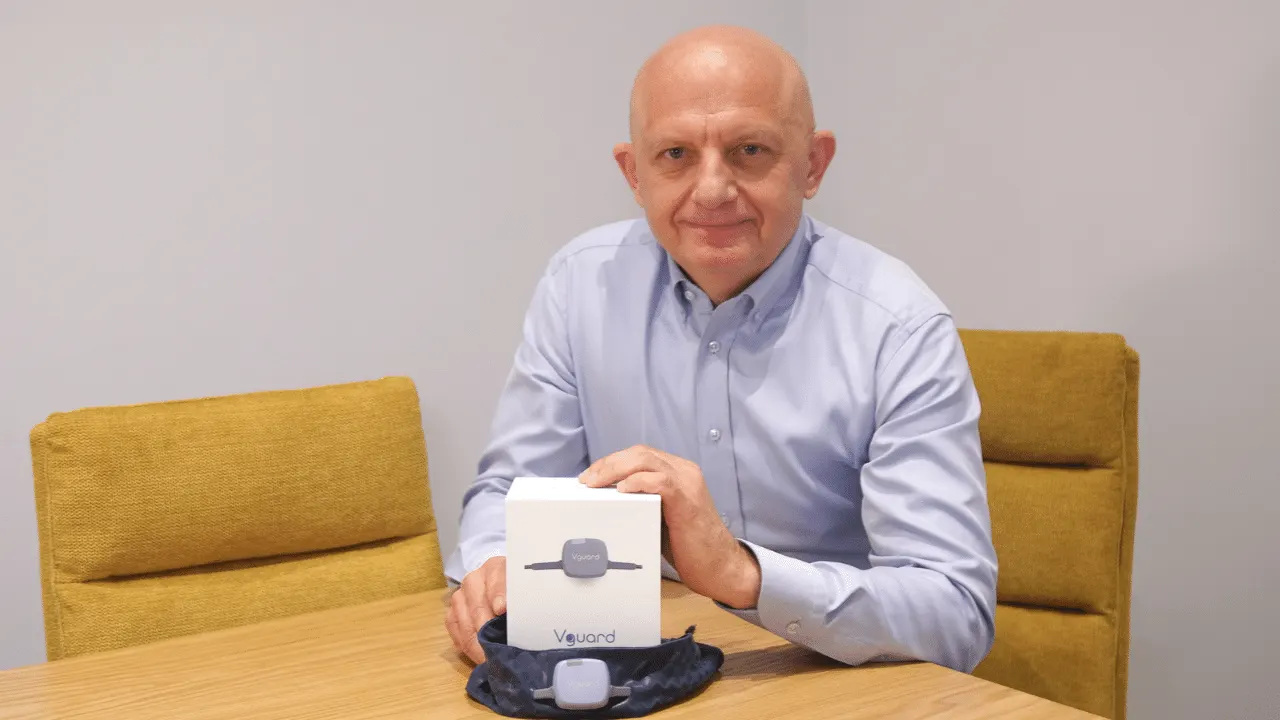
Cogniguard's Vguard Stimulates the Vagus Nerve During Sleep for Alzheimer's