Cogniguard's Vguard Stimulates the Vagus Nerve During Sleep for Alzheimer's
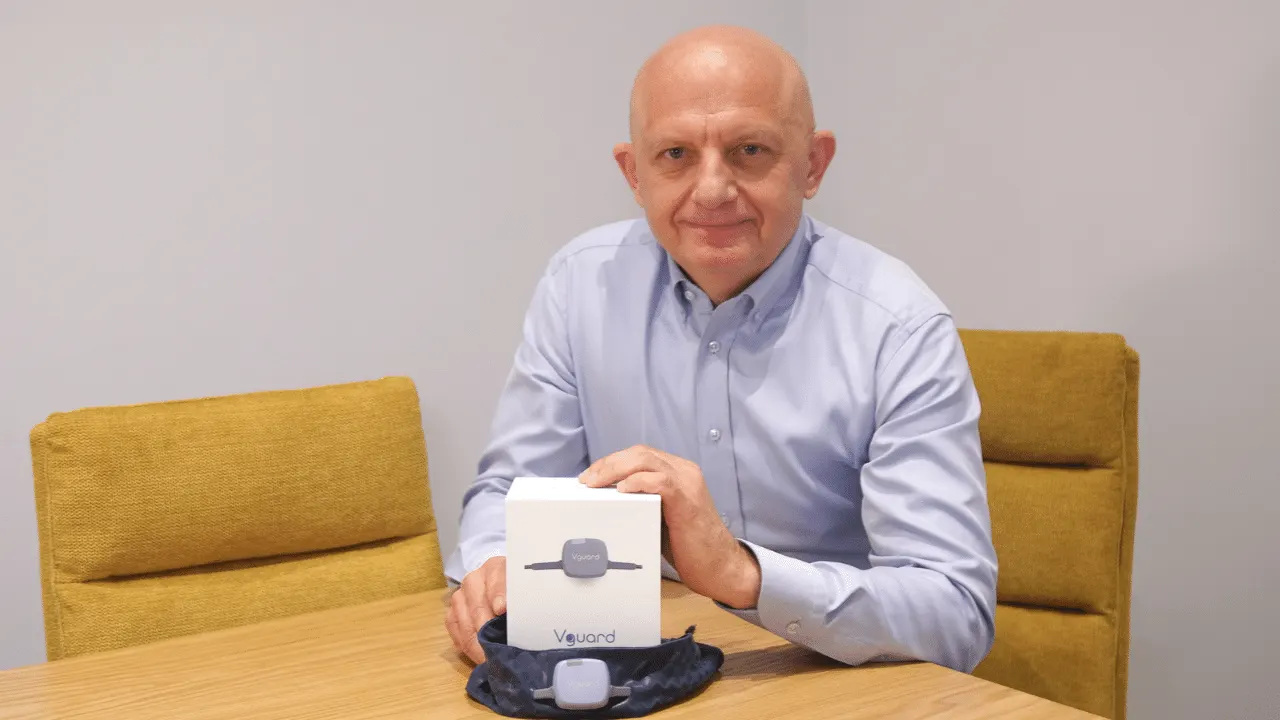
Polish firm Cogniguard has developed Vguard, a device that stimulates the vagus nerve through the ear during sleep to support memory in Alzheimer's patients. A year of therapy costs about PLN 22,000.
 SUMO· the number puzzle
 Dialo· learn languages by speaking
 ediviewer· read EDI files like documents
 giftdetect· the right gift in minutes
Polish company Cogniguard is developing Vguard, a technology that uses non-invasive vagus nerve stimulation (atVNS) at night to support memory in people with Alzheimer's disease. Dr. hab. Adam Broncel, a neurologist, co-creator of the technology and the company's Chief Medical Officer, says the approach grew out of years of clinical practice with patients and their families.
How the device works
Vguard delivers programmed electrical impulses through electrodes placed on the outer ear, which is why the stimulation is non-invasive. The vagus nerve acts as a communication route to brain regions involved in memory, including the hippocampus. According to Broncel, the key is the combination of specific pulse parameters with the timing: stimulation takes place during sleep, when the brain consolidates memories.
The concept follows preclinical research carried out with the University of Łódź. The team reports it identified stimulation parameters that induce theta activity in the hippocampus. The method was then assessed in a randomized, double-blind, controlled trial in Alzheimer's patients, using the ADAS-Cog and MMSE scales, the CTT test and a verbal memory test. Broncel stresses that the theta rhythm is described as part of the studied mechanism, while clinical results should be read separately and only within the limits of the trial data.
Early diagnosis and cost
Broncel notes that biological changes in Alzheimer's can begin many years before diagnosis. Some biomarkers can be detected more than 10 years before the first symptoms, and hippocampal changes about eight years earlier. Forgetfulness alone does not mean Alzheimer's, he says, and any therapy depends on proper diagnosis, risk factors, comorbidities and disease stage.
A year of therapy currently costs about PLN 22,000, which the company acknowledges is a significant burden for some families. Cogniguard wants the solution to reach as many eligible patients as possible and calls public funding an important direction, but it gives no timeline. For now it plans to keep collecting clinical data, refine the technology and talk with healthcare institutions. Qualification for the device requires individual medical assessment.
Apps worth a look
SUMO: the number puzzleTap the right tiles, add them up, hit the target. Easy to learn, hard to master. Free, for all ages.
Dialo: learn languages by speakingTalk to an AI conversation partner; every sentence comes back corrected and explained in your language. 9 languages, A1 to C2.
ediviewer: read EDI files like documentsOpen EDIFACT and X12 messages, see every segment explained, convert to JSON/XML, export PDF and Excel. Runs locally, no upload.
giftdetect: the right gift in minutesPick who it is for, the occasion and their personality. The search engine reads product descriptions from local shops and ranks what fits. Free, no sign-up.
More from this day
See all →
FritzSmart Energy 201: Fritz Launches Smaller Smart Plug

EU invests €525 million in European chip design platform

Profilo and Habitat Association Unite Women Founders in Hakkâri

Garanti BBVA Global Expansion Day Returns to Istanbul on Dec. 3
More in: Science
See all →
Magnons live longer than expected, boosting spintronics hopes

Polish physicists make a quantum fluid arrange itself like a crystal

Yonsei University Switches On IBM Quantum Nighthawk r2 System