AIM project: Núria López leads €4M EU push on AI waste recovery
A European team led by chemist Núria López has launched AIM in Barcelona, a €4 million EIC-funded project using AI-driven digital twins to turn industrial waste into value.
 SUMO· the number puzzle
 Dialo· learn languages by speaking
 ediviewer· read EDI files like documents
 giftdetect· the right gift in minutes
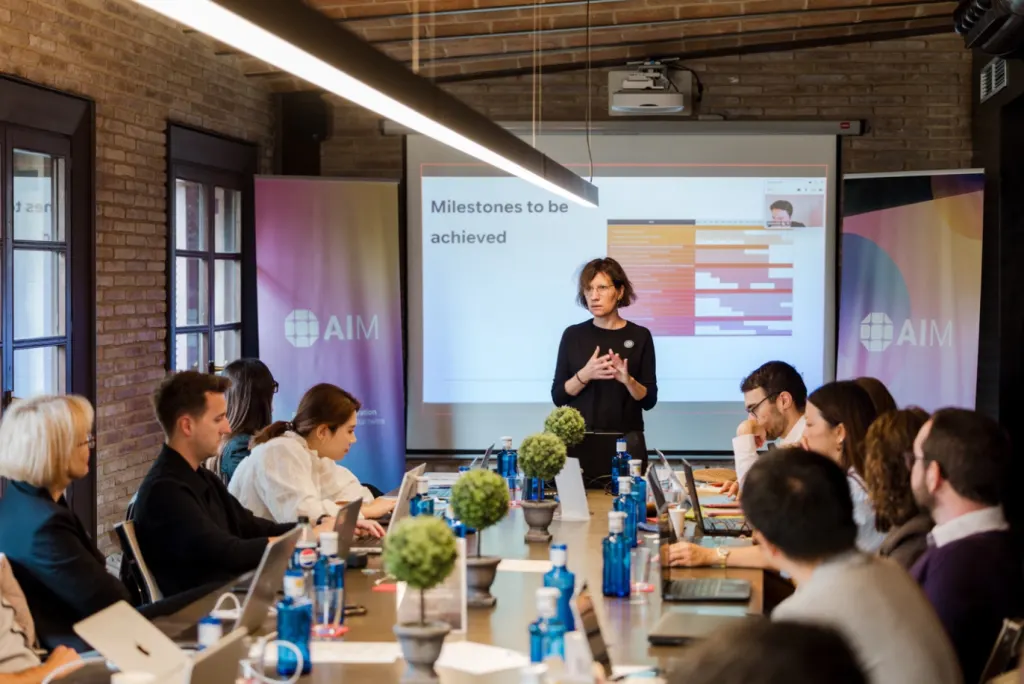
A group of researchers from across Europe, led by Catalan chemist Núria López, has started work in Barcelona on AIM, a project funded with €4 million by the European Innovation Council (EIC). It will build "digital twins" of devices used to recover value from industrial waste, supporting technologies such as the circular production of fuels, chemicals and renewable materials.
The four-year project is one of eight selected under the EIC's "Waste-to-Value" call, which carries a total EU contribution of about €30.5 million. Together, the projects explore ways to turn hard-to-recycle waste into useful products, from breaking down mixed plastics and recovering materials from desalination brines to treating wastewater and converting CO₂ into chemicals.
The only computational project in the portfolio
AIM is the only computational project in the group. Digital twins are virtual replicas of real objects and processes built with computer models. Using artificial intelligence and simulation, AIM will create models linking microscopic-scale processes to the behaviour of whole devices. The twins will be connected to the technologies of the other projects and will support their computational simulations.
Researchers will be able to test ideas virtually, compare approaches on a computer and spot problems before building an industrial-scale recovery device. That could reduce the need for pilot plants, which can be very expensive, and help teams decide, based on computational evidence, which solutions to pursue before real-world testing.
"With AIM we want to understand these systems as a whole, not as separate pieces," said Professor López, the project coordinator at the Catalan Institute of Chemical Research (ICIQ). Combining AI with multiscale simulation, she said, links what happens at the smallest scale to the performance of the full device.
Partners and policy context
The University of Jyväskylä (Finland) and Ruhr University Bochum (Germany) will develop the core simulation methods, while EPFL in Switzerland leads multiscale modelling. Matgenix (Belgium) supplies the AI tools and DIFFER (Netherlands) supports experimental automation. ICIQ will also integrate experimental and computational data, and AGATA Communications (UK) will lead outreach.
The project arrives as Europe works to cut waste and emissions and reduce reliance on fossil resources. It is aligned with the European Green Deal, REPowerEU and the Fit for 55 package.
Apps worth a look
SUMO: the number puzzleTap the right tiles, add them up, hit the target. Easy to learn, hard to master. Free, for all ages.
Dialo: learn languages by speakingTalk to an AI conversation partner; every sentence comes back corrected and explained in your language. 9 languages, A1 to C2.
ediviewer: read EDI files like documentsOpen EDIFACT and X12 messages, see every segment explained, convert to JSON/XML, export PDF and Excel. Runs locally, no upload.
giftdetect: the right gift in minutesPick who it is for, the occasion and their personality. The search engine reads product descriptions from local shops and ranks what fits. Free, no sign-up.
More from this day
See all →
More in: Science
See all →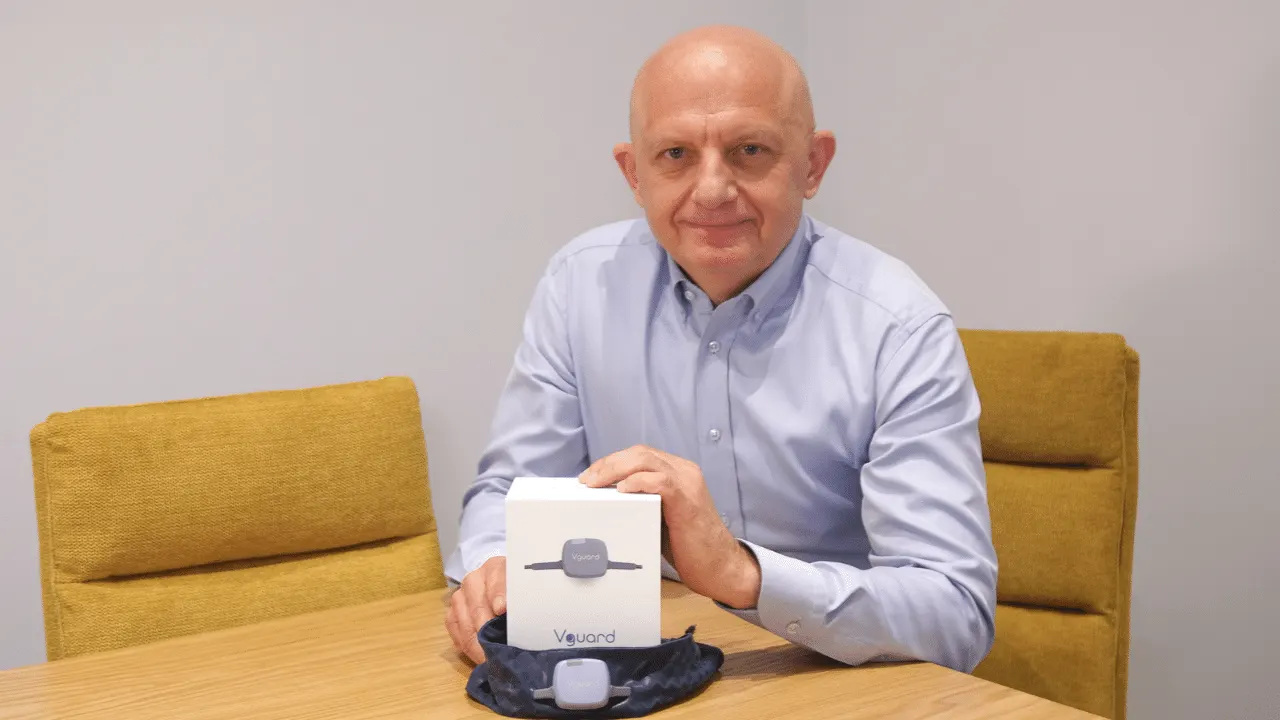
Cogniguard's Vguard Stimulates the Vagus Nerve During Sleep for Alzheimer's

Magnons live longer than expected, boosting spintronics hopes
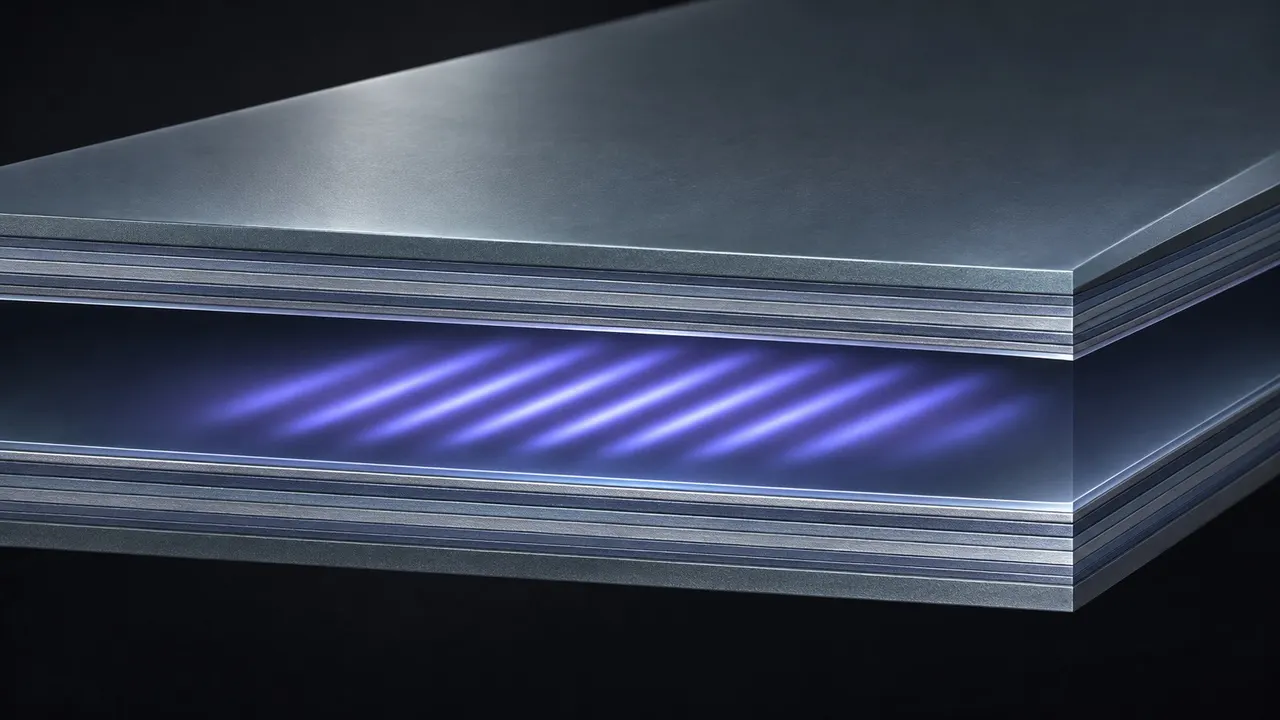
Polish physicists make a quantum fluid arrange itself like a crystal