EU Court Adviser Warns Google Gemini May Breach Copyright
An advocate general at the EU Court of Justice says chatbots like Google's Gemini may infringe publishers' rights when they reuse news articles in answers.

 SUMO· the number puzzle
 Dialo· learn languages by speaking
 ediviewer· read EDI files like documents
 giftdetect· the right gift in minutes
An advocate general at the Court of Justice of the European Union has warned that Google's Gemini chatbot may infringe copyright when it uses news articles to answer users' questions. The opinion adds fresh legal pressure on Google in Europe and reopens the dispute between media companies and tech firms.
The case is being heard in Luxembourg and pits the Hungarian company Like Company, which operates a website, against Google. It centers on whether Gemini can lawfully reuse content from news sites to compose answers. Advocate General Maciej Szpunar said chatbots built on large language models can violate publishers' rights when they retrieve press articles and use them to generate responses. That applies especially when they bypass subscription systems or technical protections, or reuse wording from the original in a recognizable way.
Facts versus expression
The opinion stresses that copyright does not cover bare facts and information contained in news reports. It protects the original wording and expression. How an article is reused and presented is therefore central to deciding whether there is an infringement.
Szpunar also said that using copyrighted material to train AI models is permitted under the text and data mining exception in EU law. He added that the case file contains no evidence that Google used the Hungarian publisher's articles to train Gemini.
Positions of Google and publishers
Google said the EU's text and data mining exceptions are important for European competitiveness and for developing AI. According to the company, Gemini learns language patterns to produce new answers, not to copy press content. Google also said it offers tools that let rights holders control how their content is used and whether it appears in AI services.
The European Publishers Council argued that search engine indexing must be distinguished from using articles to generate AI answers that can spare users a visit to the original news sites. It said publishers' reliance on Google for reach should not become a way to obtain their content for AI services without protecting their rights, particularly as summaries and direct answers become more common.
What comes next
The opinion is non-binding, though the court follows it in many cases. A final ruling is expected in the coming months. It could bring clearer rules on the use of press articles in chatbot answers and affect relations between tech companies and media organizations, including questions of compensation.
Apps worth a look
SUMO: the number puzzleTap the right tiles, add them up, hit the target. Easy to learn, hard to master. Free, for all ages.
Dialo: learn languages by speakingTalk to an AI conversation partner; every sentence comes back corrected and explained in your language. 9 languages, A1 to C2.
ediviewer: read EDI files like documentsOpen EDIFACT and X12 messages, see every segment explained, convert to JSON/XML, export PDF and Excel. Runs locally, no upload.
giftdetect: the right gift in minutesPick who it is for, the occasion and their personality. The search engine reads product descriptions from local shops and ranks what fits. Free, no sign-up.
More from this day
See all →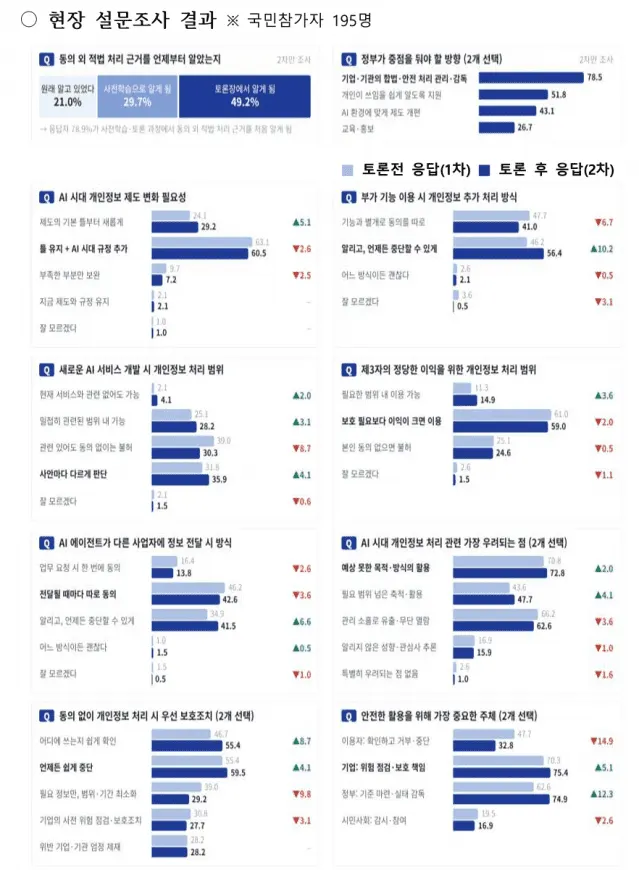
South Korea's PIPC to Overhaul Privacy Rules for AI by Year-End

Nexon Sets Nov. 26 Launch for MMORPG Tempppal: Overgeared
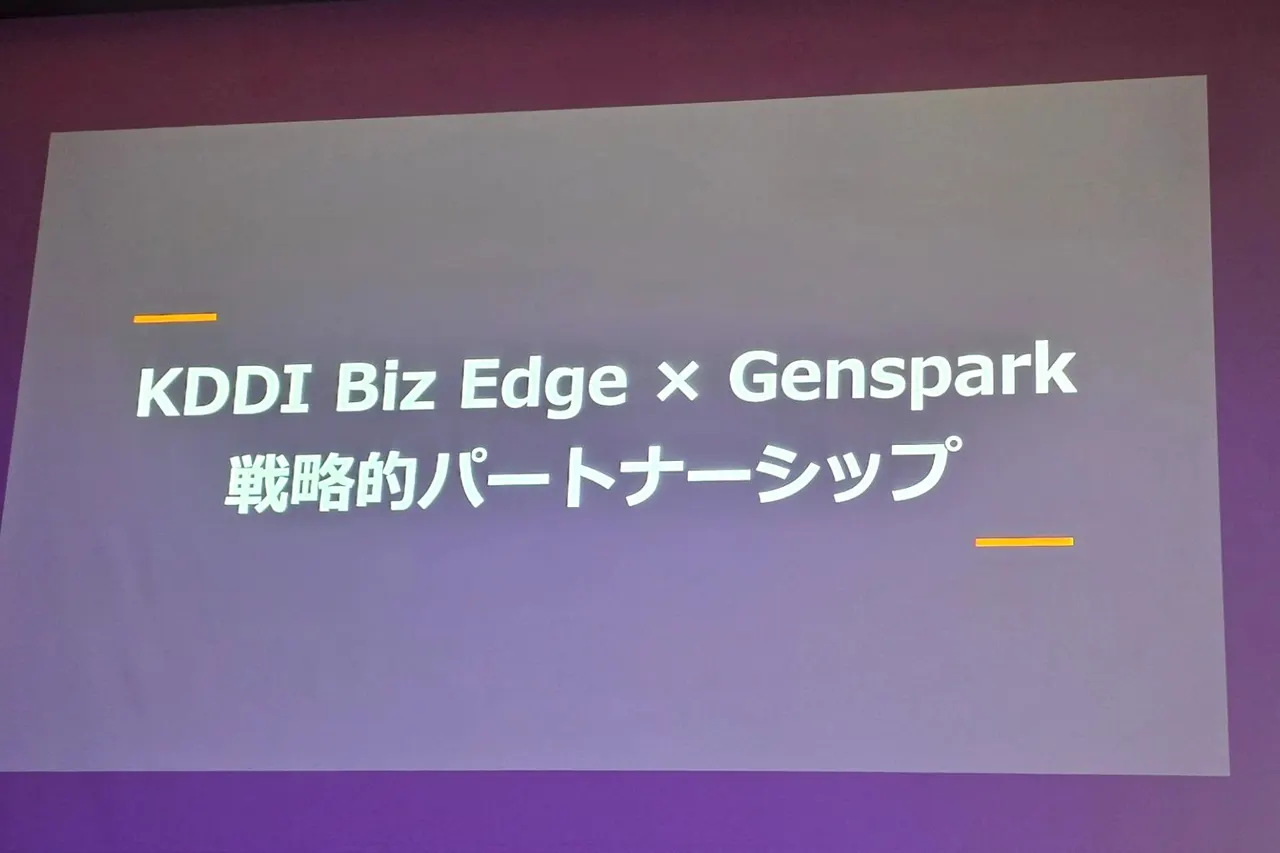
Genspark launches TeamBrain and partners with KDDI Biz Edge