Researchers develop heat-based recycling method for wind turbine blades
Researchers have developed a heat-based process that recovers valuable materials from wind turbine rotor blades, whose composite is notoriously hard to recycle.

 SUMO· the number puzzle
 Dialo· learn languages by speaking
 ediviewer· read EDI files like documents
 giftdetect· the right gift in minutes
Researchers have developed a recycling method for the rotor blades of wind turbines. The process uses heat to recover important materials from the blades, which have so far been difficult to reuse.
The problem lies in the blades' construction. They are made of a composite material, and its combination of different components makes conventional recycling hard. That has long been a weak point in the otherwise climate-friendly image of wind power.
Why it matters
As wind farms age, more rotor blades will eventually need to be replaced and disposed of. A method that turns the composite back into usable raw materials could reduce waste and make the technology more sustainable over its full life cycle.
The available information does not say which materials the process recovers in detail, how efficient it is, or whether it is ready for industrial use. Those points will determine whether the heat-based approach can move from the laboratory into practice.
Apps worth a look
SUMO: the number puzzleTap the right tiles, add them up, hit the target. Easy to learn, hard to master. Free, for all ages.
Dialo: learn languages by speakingTalk to an AI conversation partner; every sentence comes back corrected and explained in your language. 9 languages, A1 to C2.
ediviewer: read EDI files like documentsOpen EDIFACT and X12 messages, see every segment explained, convert to JSON/XML, export PDF and Excel. Runs locally, no upload.
giftdetect: the right gift in minutesPick who it is for, the occasion and their personality. The search engine reads product descriptions from local shops and ranks what fits. Free, no sign-up.
More from this day
See all →
Argo Space: Ex-SpaceX Brothers Build Water-Powered Spacecraft
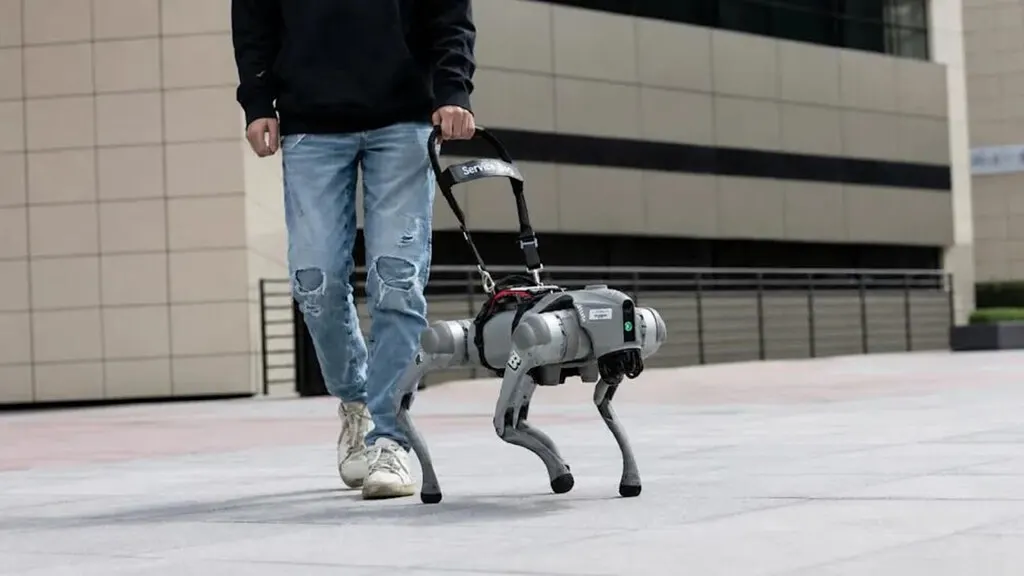
Dimensional Pays $20 an Hour to Walk Robot Dogs in San Francisco

Arka Fincap raises Rs 525 crore from TPG's The Rise Funds

Coinbase wins final OCC approval for national trust company
More in: Science
See all →
TU Dresden Plans Molten Salt Reactor to Recycle Nuclear Waste

South Korea Hits 99% Two-Qubit Gate Accuracy in Quantum Push

Magenta Solar Panels in Sweden Grow Broccoli, but 25 Days Slower