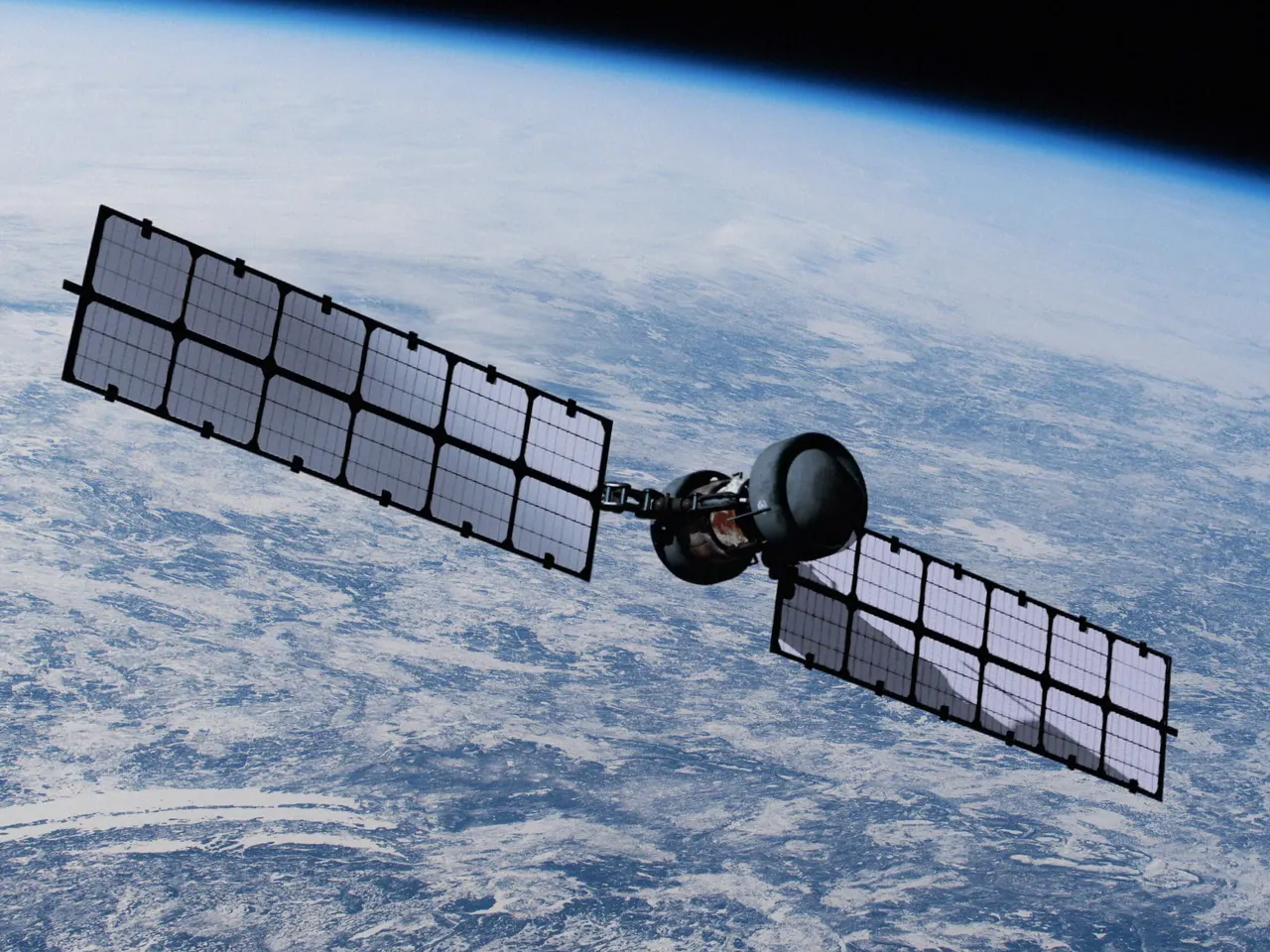
Argo Space: Ex-SpaceX Brothers Build Water-Powered Spacecraft
Three former SpaceX engineers, the Carlisle brothers, are building spacecraft that run on water, splitting it with solar power into hydrogen and oxygen for combustion.
 SUMO· the number puzzle
 Dialo· learn languages by speaking
 ediviewer· read EDI files like documents
 giftdetect· the right gift in minutes
Argo Space, a family-run startup founded by three former SpaceX engineers, wants to cross the Solar System with spacecraft that use water as propellant. Robert, Ryan and Kirby Carlisle once helped develop rockets at Elon Musk's company, but chose to build spacecraft for their own venture because they are far cheaper to develop.
How it works
The concept relies on the same elements as many cryogenic rockets: hydrogen and oxygen. Instead of carrying them directly, the vehicle carries water (H2O) and uses solar energy during the trip to split it through electrolysis. The final combustion is therefore the same as with conventional hydrogen-oxygen fuel.
According to the company, this combines the strengths of two approaches. Chemical propulsion delivers high thrust but uses propellant inefficiently, while electric propulsion is very efficient but weak. Electrolyzing water yields strong thrust from combustion and better efficiency overall.
Water brings other benefits. It can be stored as a liquid, so no heavy cryogenic tanks are needed, and it avoids the explosion risk of pressurized cryogenic propellants. It also serves as coolant and radiation shielding, so more of the vehicle's mass is usable propellant. And it is present throughout the Solar System, which makes refueling plausible.
Missions ahead
In July, Argo tried the first test with its Navigator mission on a Falcon 9, but a solar panel failed to deploy properly and the propulsion could not be tested. The next attempt comes in 2027 with the Chiron missions. No SpaceX rockets were available this year, so the company will use a new commercial rocket and a government launcher. One will carry a payload to low Earth orbit and the other to geostationary transfer orbit; no further details have been given.
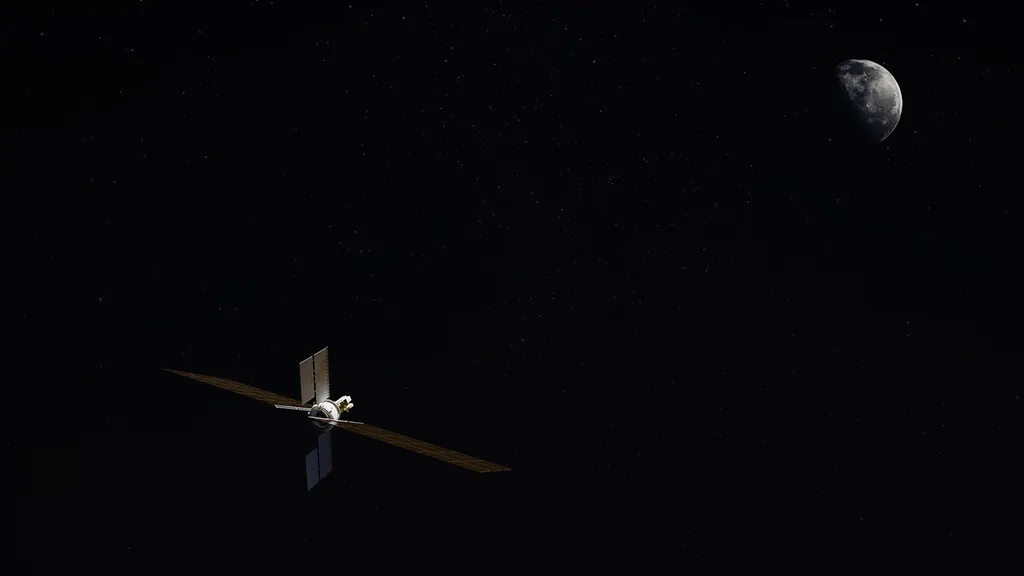
The Chiron vehicle reaches a delta-v of 2 km/s. If it succeeds, Argo plans Argonaut, a larger craft able to carry 1,400 kg and targeting 17 km/s per tank. In September the company signed with ispace to take a communications satellite to lunar orbit late in the decade, possibly aboard Argonaut.
With fewer than 30 employees, Argo is small. Water has been tested as a propellant in space before, but only at very small scale, which is why a larger demonstration would be a milestone.
Apps worth a look
SUMO: the number puzzleTap the right tiles, add them up, hit the target. Easy to learn, hard to master. Free, for all ages.
Dialo: learn languages by speakingTalk to an AI conversation partner; every sentence comes back corrected and explained in your language. 9 languages, A1 to C2.
ediviewer: read EDI files like documentsOpen EDIFACT and X12 messages, see every segment explained, convert to JSON/XML, export PDF and Excel. Runs locally, no upload.
giftdetect: the right gift in minutesPick who it is for, the occasion and their personality. The search engine reads product descriptions from local shops and ranks what fits. Free, no sign-up.
More from this day
See all →
Yandex Plus Points Can Now Be Spent at Yandex Pay Partners

Dimensional Pays $20 an Hour to Walk Robot Dogs in San Francisco

Researchers develop heat-based recycling method for wind turbine blades

Arka Fincap raises Rs 525 crore from TPG's The Rise Funds
More in: Space
See all →
NTT, Mitsubishi Electric and Three Others Study Mega-Constellation

Webb's Little Red Dots may hide primordial black holes

Marble Imaging raises €6M to build German VHR satellite fleet