NTT, Mitsubishi Electric and Three Others Study Mega-Constellation
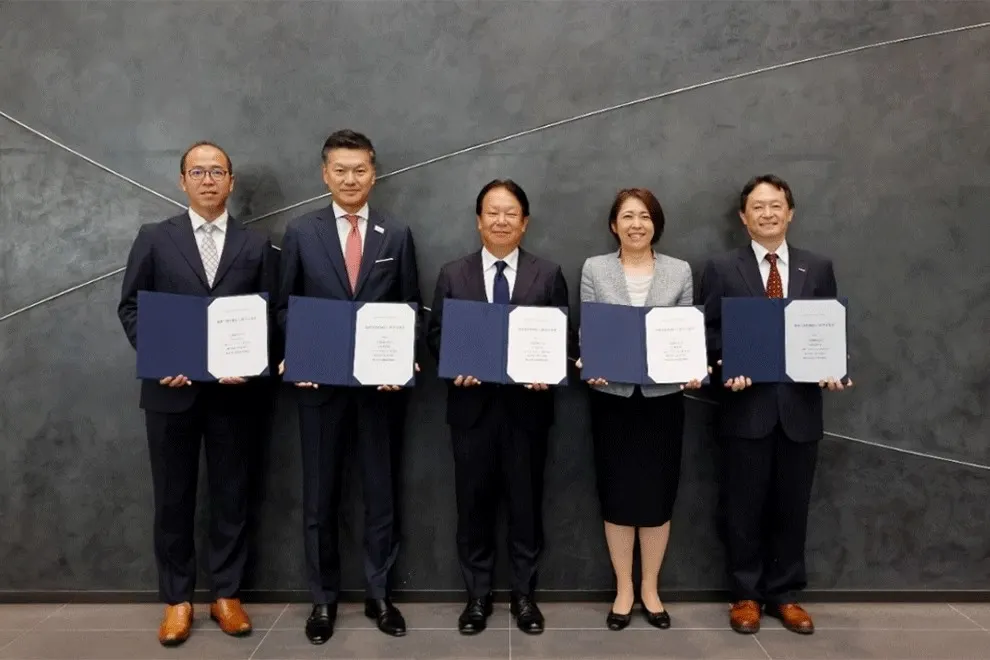
NTT, NTT Docomo Business, Mitsubishi Electric, MUFG Bank and DBJ signed a memorandum to study building a satellite mega-constellation and commercial services on top of it.
 SUMO· the number puzzle
 Dialo· learn languages by speaking
 ediviewer· read EDI files like documents
 giftdetect· the right gift in minutes
Five Japanese companies have agreed to explore a commercial satellite mega-constellation. NTT, NTT Docomo Business, Mitsubishi Electric, MUFG Bank and the Development Bank of Japan (DBJ) signed a memorandum of understanding on November 6 to study building and operating the system and offering services through it.
What a mega-constellation is
A mega-constellation links a large number of satellites into one system that can serve wide areas of the Earth. The companies point to smaller, more capable satellites and more frequent launches as the trends making such constellations increasingly common.
The five plan to assess technical and business feasibility for communications, Earth observation, PNT (positioning, navigation and timing) and space-based data centers. Targets include communications and observation infrastructure, covering connectivity during disasters and in areas with limited coverage, positioning data, and more efficient use of satellite data through orbital data centers.
Who does what
NTT will examine whether an integrated space-and-ground network is feasible using technologies such as IOWN. NTT Docomo Business will turn customer needs into concrete use cases and services. Mitsubishi Electric will draw on its experience developing satellite and ground systems to handle technical study of the overall system design and integration.
MUFG Bank will use its domestic and overseas client base and networks to help build business and manufacturing supply chains and expand sales channels. DBJ will assess commercialization from a neutral, long-term perspective and explore cooperation with government, industry, academia and financial institutions.
The agreement covers only a feasibility study, so no investment size, launch schedule or satellite count has been given. The outcome will show whether a Japanese-led constellation can move from concept to a business.
Apps worth a look
SUMO: the number puzzleTap the right tiles, add them up, hit the target. Easy to learn, hard to master. Free, for all ages.
Dialo: learn languages by speakingTalk to an AI conversation partner; every sentence comes back corrected and explained in your language. 9 languages, A1 to C2.
ediviewer: read EDI files like documentsOpen EDIFACT and X12 messages, see every segment explained, convert to JSON/XML, export PDF and Excel. Runs locally, no upload.
giftdetect: the right gift in minutesPick who it is for, the occasion and their personality. The search engine reads product descriptions from local shops and ranks what fits. Free, no sign-up.
More from this day
See all →
Motif Technologies Raises Bridge Round for Motif 4, Nvidia to Join
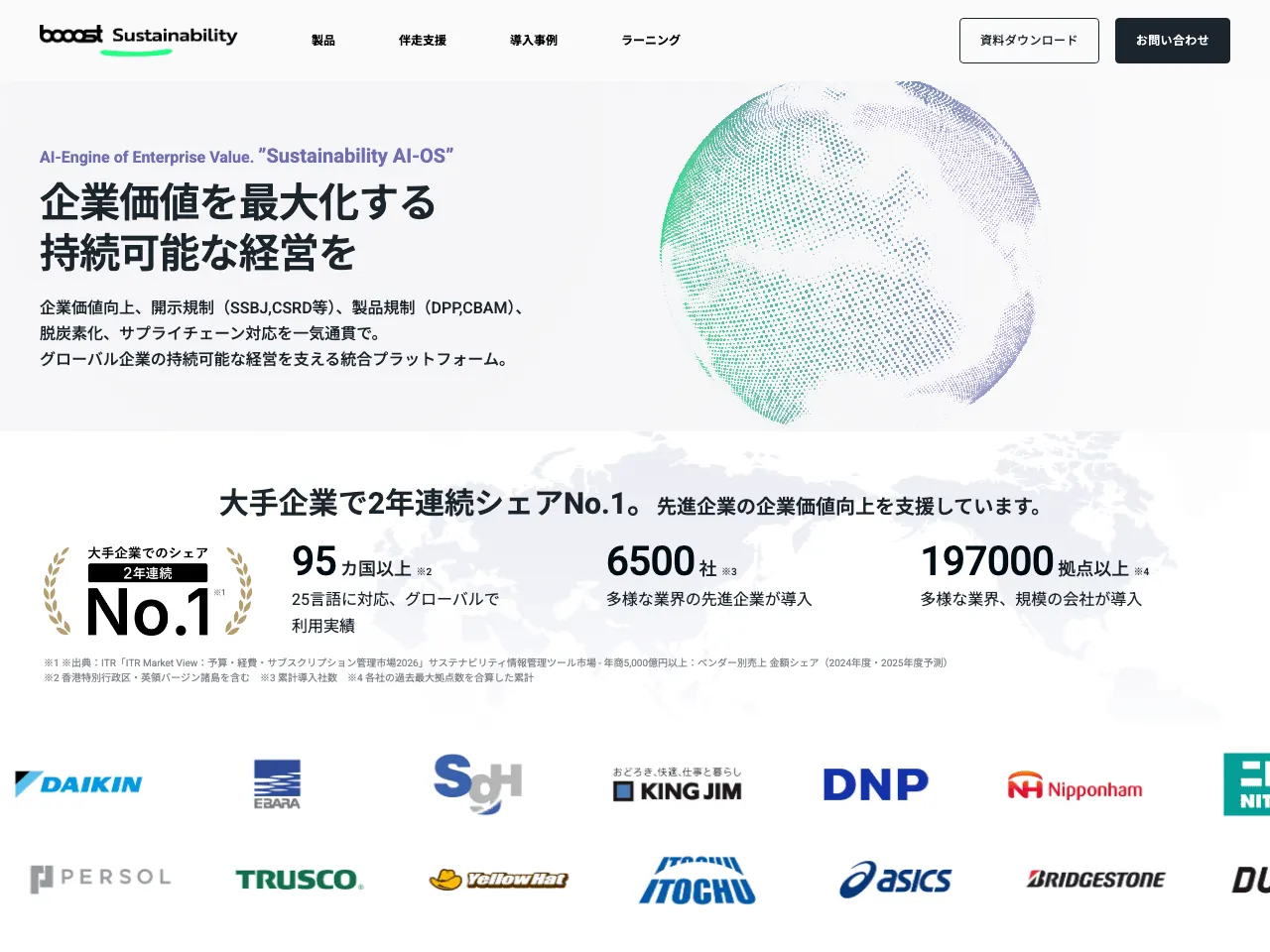
Booost closes Series C at ¥1.75 billion, total funding ¥5.2bn
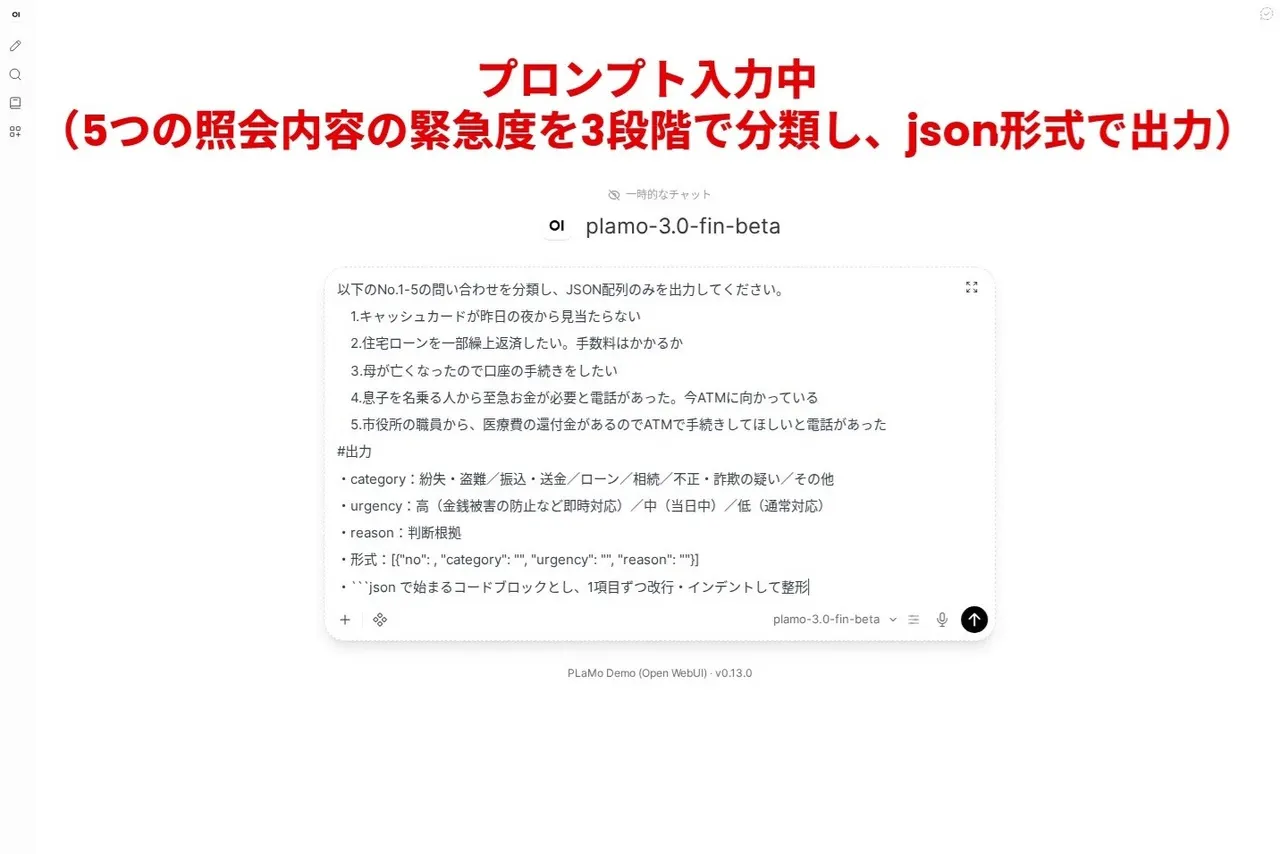
PFN releases PLaMo 3.0 Fin, a small finance AI for one GPU
kmorph: Open-Source Tool Recovers Linux Kernel Crashes in Seconds
More in: Space
See all →
Webb's Little Red Dots may hide primordial black holes

Marble Imaging raises €6M to build German VHR satellite fleet
Russia's Rassvet Starlink Rival Targets Full Launch in 2027