SWISSto12 and UNIVITY pass design review for 5G satellite antennas
SWISSto12 and UNIVITY have completed a Critical Design Review for two active antennas that will let one satellite deliver both 5G broadband and direct-to-device service.
 SUMO· the number puzzle
 Dialo· learn languages by speaking
 ediviewer· read EDI files like documents
 giftdetect· the right gift in minutes
Swiss startup SWISSto12 and French startup UNIVITY have completed a Critical Design Review (CDR) for two active antenna systems built to deliver 5G connectivity from space. The milestone moves the companies closer to demonstrating broadband and direct-to-device service from a single satellite.
The CDR clears the designs to move into hardware production, followed by an extensive verification and acceptance campaign. It does not yet demonstrate working connectivity in orbit.
Two antennas, one satellite
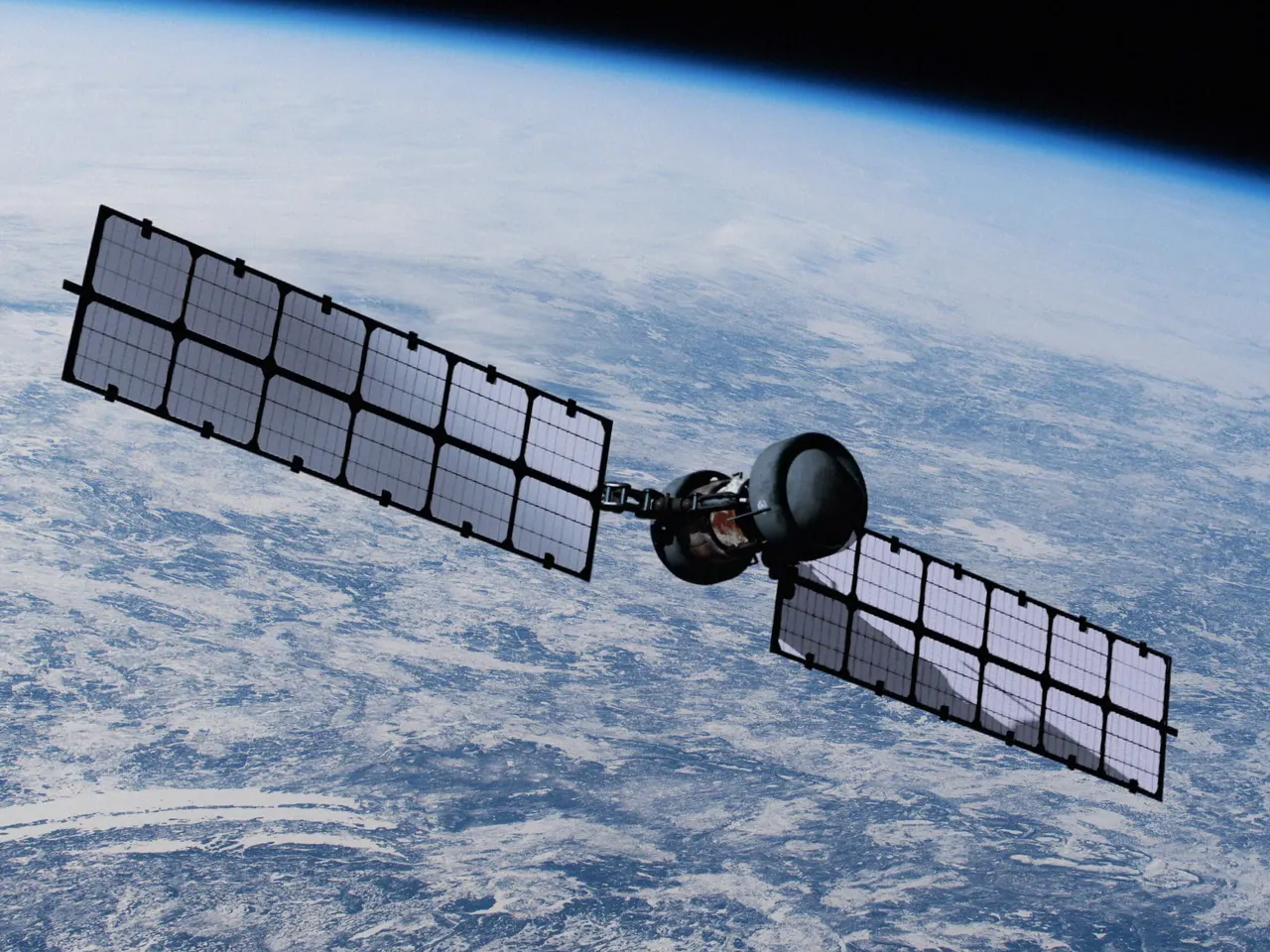
SWISSto12 is developing two active phased-array antennas for UNIVITY's 5G non-terrestrial network demonstration satellites. The first is an S-band direct radiating array meant to connect standard 5G smartphones directly to the satellite. The second is a Ka-band antenna operating at 26 GHz, which will handle broadband services and feeder links to ground infrastructure.
By combining both functions, UNIVITY wants telecom operators to offer broadband and direct-to-device services under their own brands, complementing terrestrial networks rather than replacing them. The work is part of UNIVITY's uniShape programme, backed by France 2030 and the French Space Agency (CNES). It targets high-throughput, low-latency 5G from Very Low Earth Orbit (VLEO), with the longer-term goal of a shared, neutral space infrastructure for European and international operators.
SWISSto12 CEO Emile de Rijk said reaching CDR in under a year was possible thanks to the company's proprietary payload and antenna technology and a vertically integrated delivery model. UNIVITY CEO Charles Delfieux said active antennas are central to the payload architecture.
Funding behind the partnership
Both companies have raised money this year. SWISSto12 secured €73 million from European Space Agency member states in January for its HummingSat programme and closed a €61 million Series C in July. UNIVITY, founded in 2022 and based in Paris, raised €27 million in April from Blast, Expansion, the Deeptech 2030 fund managed by Bpifrance, and two family offices.
The project shows how European startups are splitting satellite manufacturing, payloads and connectivity services across borders in pursuit of greater autonomy. Whether that translates into independent infrastructure will depend on the hardware tests ahead.
Apps worth a look
SUMO: the number puzzleTap the right tiles, add them up, hit the target. Easy to learn, hard to master. Free, for all ages.
Dialo: learn languages by speakingTalk to an AI conversation partner; every sentence comes back corrected and explained in your language. 9 languages, A1 to C2.
ediviewer: read EDI files like documentsOpen EDIFACT and X12 messages, see every segment explained, convert to JSON/XML, export PDF and Excel. Runs locally, no upload.
giftdetect: the right gift in minutesPick who it is for, the occasion and their personality. The search engine reads product descriptions from local shops and ranks what fits. Free, no sign-up.
More from this day
See all →
Cisco adds Anthropic's Claude Mythos to AI Defense for red teaming

Google TPU 8tx and 8i Max Challenge Nvidia in AI Chips

Marble Imaging raises €6M to build German VHR satellite fleet