kmorph: Open-Source Tool Recovers Linux Kernel Crashes in Seconds
The Multikernel team has released kmorph, an open-source project that swaps in a standby Linux kernel after a crash or update, restoring a server in about two seconds.
 SUMO· the number puzzle
 Dialo· learn languages by speaking
 ediviewer· read EDI files like documents
 giftdetect· the right gift in minutes
The Multikernel team has released kmorph, an open-source project that restores a Linux machine after a kernel crash and can also replace the running kernel without a full reboot. The project is developed by Cong Wang, the maintainer of the Linux kernel's Traffic Control (TC) subsystem.
In tests run by the developers, a server running nginx resumed work roughly two seconds after a kernel failure. The team says it aims to make the switchover instant and invisible to connected clients.
How it works
Today, a kernel crash on a PC or server can mean several minutes of downtime because of hardware initialization, loading the system environment and saving a memory dump through kdump. With kdump, the system effectively boots twice: first a separate kernel is loaded via kexec to save the dump, then the working kernel starts along with system services.
kmorph avoids this by loading a spare Linux kernel and a minimal system environment into memory in advance, bound to a dedicated processor core. That environment monitors the main kernel. If the main kernel hangs or panics, the standby takes over, saves the crashed kernel's memory dump, and assumes control of CPU cores, memory, devices, network configuration and the file system.
Two tools coordinate the switch: kmorph runs in the active environment, builds the standby environment and syncs network state into it, while kmorphd runs in the standby environment and watches the active one. Common services such as nginx can be kept running in standby, so they handle requests immediately after the switch.
Updates and support
The same mechanism can be used to update the kernel without a traditional reboot. The kernel already includes Kexec HandOver (KHO) and Live Update Orchestrator (LUO), which start a new kernel from an old one without losing state. However, they cannot help after a crash, since they need the running kernel to preserve its state, and they are slower because they still require a kexec reboot.
kmorph currently supports x86_64 and ARM64, with RISC-V support in development. Distribution integration follows the kdump model, using dracut, initramfs-tools, kernel-install and systemd.
Apps worth a look
SUMO: the number puzzleTap the right tiles, add them up, hit the target. Easy to learn, hard to master. Free, for all ages.
Dialo: learn languages by speakingTalk to an AI conversation partner; every sentence comes back corrected and explained in your language. 9 languages, A1 to C2.
ediviewer: read EDI files like documentsOpen EDIFACT and X12 messages, see every segment explained, convert to JSON/XML, export PDF and Excel. Runs locally, no upload.
giftdetect: the right gift in minutesPick who it is for, the occasion and their personality. The search engine reads product descriptions from local shops and ranks what fits. Free, no sign-up.
More from this day
See all →
Booost closes Series C at ¥1.75 billion, total funding ¥5.2bn
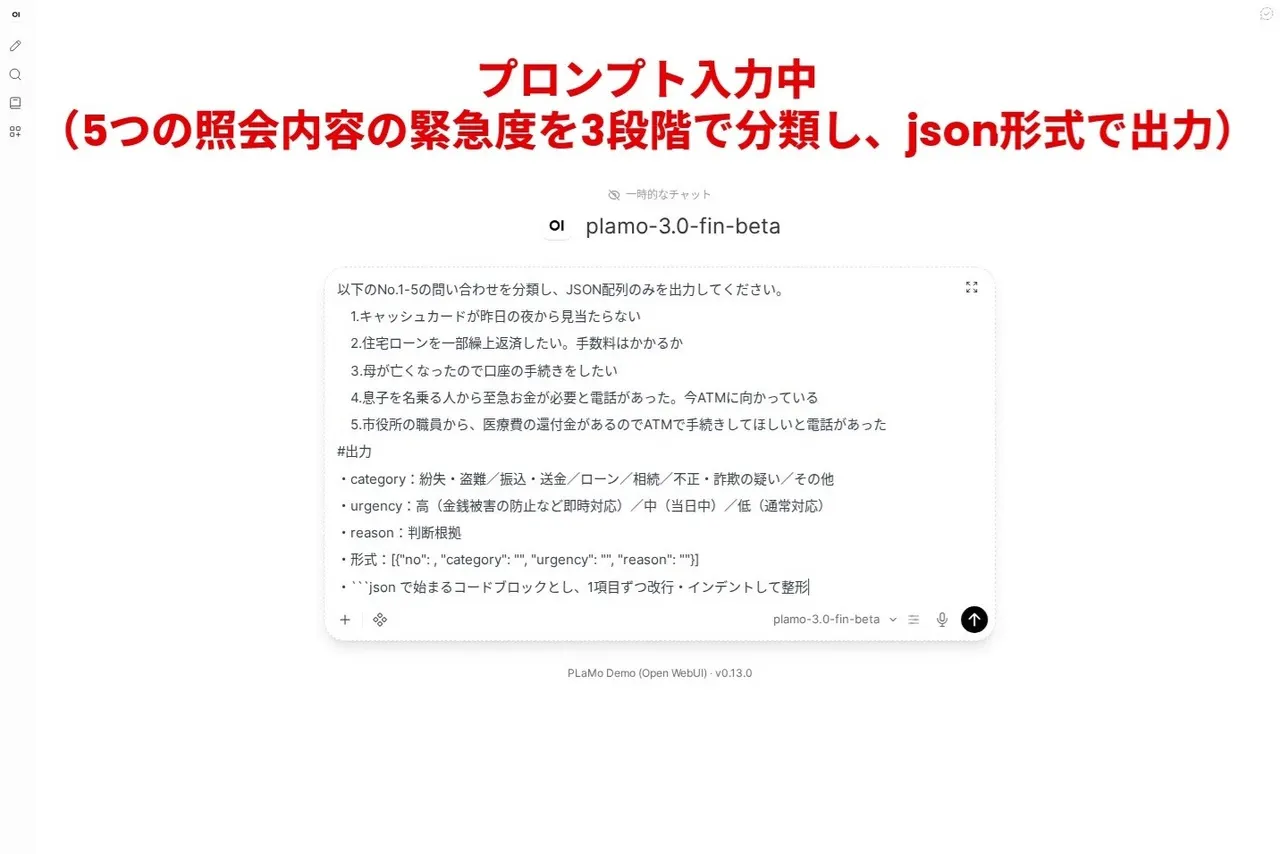
PFN releases PLaMo 3.0 Fin, a small finance AI for one GPU

Samsung to Start Test Runs at Its Taylor, Texas Chip Fab in December

ByteDance Seedream 5.5 Handles Up to 100 Consecutive Image Edits
More in: Software
See all →
Windows Update Certificates Expire in 2027: Old PCs at Risk

Meta Expands Instagram's AI Age Estimation Tech Worldwide

Automattic launches Spacefast to deploy vibe-coded apps