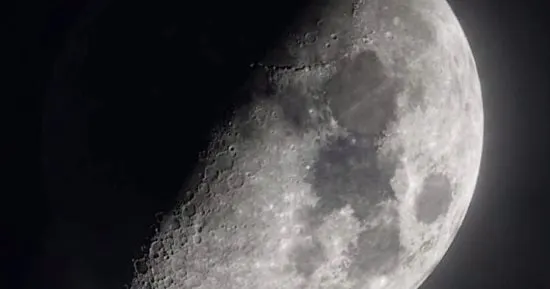
Voyager 1 hits one light-day from Earth; Voyager 2 trails to 2035
Voyager 1 reaches a light-day from Earth on Nov. 18, yet Voyager 2, which launched first, won't get there until about 2035. Planet flybys explain the gap.
 SUMO· the number puzzle
 Dialo· learn languages by speaking
 ediviewer· read EDI files like documents
 giftdetect· the right gift in minutes
Voyager 1 is about to be a full light-day away from Earth. Voyager 2 launched first, yet it won't reach the same distance until around 2035. So what happened?
On Nov. 18, a signal sent to Voyager 1 will take 24 hours to arrive. The probe will be 16,094,799,096 miles (25,902,068,356 kilometers) away. NASA is marking the occasion by asking fans to shine Morse code signals at the sky.
Why is Voyager 1 faster than Voyager 2?
The short answer is trajectory choices made during the planetary flybys. According to NASA, Voyager 1 is moving away at about 3.5 astronomical units a year (one unit is the Earth-sun distance), while Voyager 2 manages 3.1.
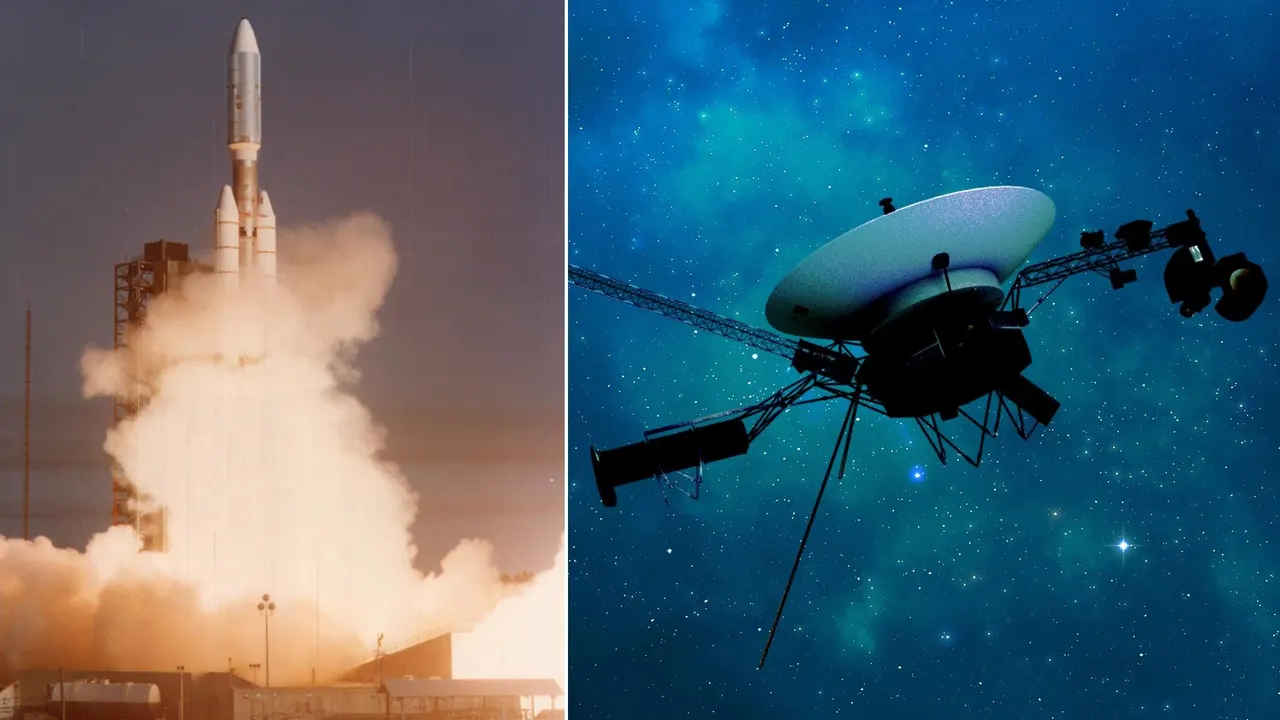
The two probes launched about two weeks apart in 1977, with Voyager 2 going first. The goal was Jupiter and Saturn. If funding held, and it did, Voyager 2 would go on to Uranus and Neptune, using a rare planetary alignment. NASA picked a faster path for Voyager 1, which overtook its twin on the way to Jupiter. It arrived on March 5, 1979. Voyager 2 followed on July 9.
At each planet, the probes used a gravity assist: a slingshot that borrows a sliver of the planet's momentum. The Planetary Society says each Voyager gained about 10 km/s (6.2 miles per second) at Jupiter, while Jupiter's own slowdown was far too small to measure. Voyager 2 then gained about 5 km/s at Saturn and 2 km/s at Uranus.
Neptune was the exception. Voyager 2 turned to fly by the moon Triton, passed over Neptune's north pole and then dropped out of the plane of the solar system, losing about 2 km/s. Voyager 1 had earlier left the plane after a turn at Saturn to study its rings and the moon Titan.
What happens next?
Voyager 1 entered interstellar space in 2012, and Voyager 2 in 2018. Both could keep working into the 2030s if their nuclear power sources hold out. NASA's Jet Propulsion Laboratory has been switching off instruments one by one, and recently ran a "Big Bang" procedure on both craft to redistribute power as well as possible. The aim is to keep the science coming from our only two interstellar messengers for as long as it can.
Apps worth a look
SUMO: the number puzzleTap the right tiles, add them up, hit the target. Easy to learn, hard to master. Free, for all ages.
Dialo: learn languages by speakingTalk to an AI conversation partner; every sentence comes back corrected and explained in your language. 9 languages, A1 to C2.
ediviewer: read EDI files like documentsOpen EDIFACT and X12 messages, see every segment explained, convert to JSON/XML, export PDF and Excel. Runs locally, no upload.
giftdetect: the right gift in minutesPick who it is for, the occasion and their personality. The search engine reads product descriptions from local shops and ranks what fits. Free, no sign-up.
More from this day
See all →
Failed supernova black holes: a 10-sun-mass clue in LIGO data
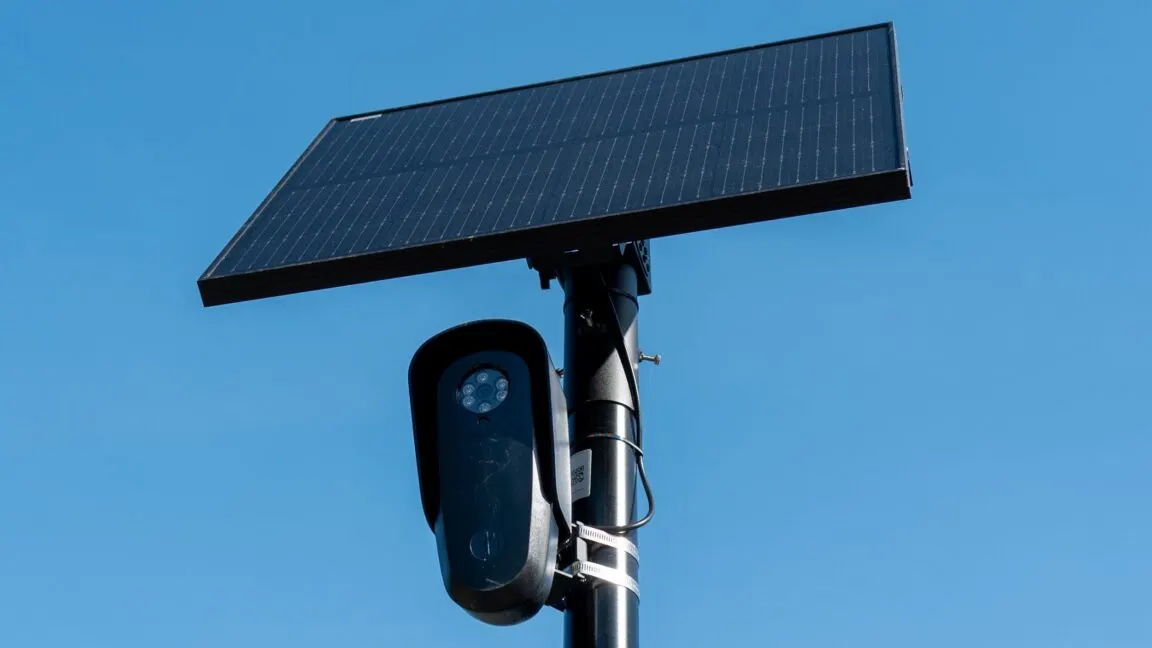
San Diego ends Flock camera contract and smart streetlights

Oregon sues OpenAI over ChatGPT child safety, seeks $2 billion
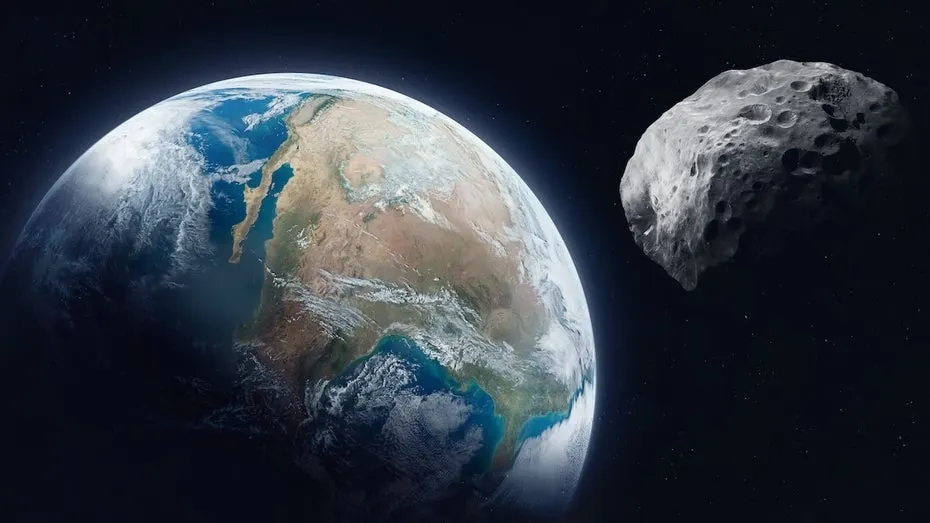
Asteroid 1998 KY26 is speeding up, but not because of ice
More in: Space
See all →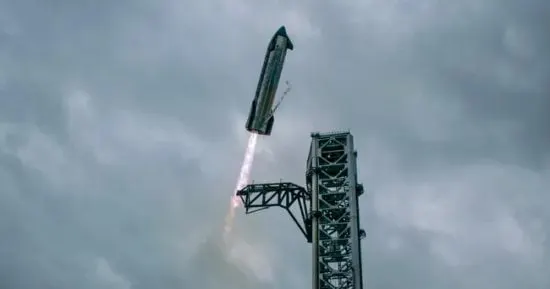
Starship V4: Musk Plans a Rocket Close to 150 Metres Tall
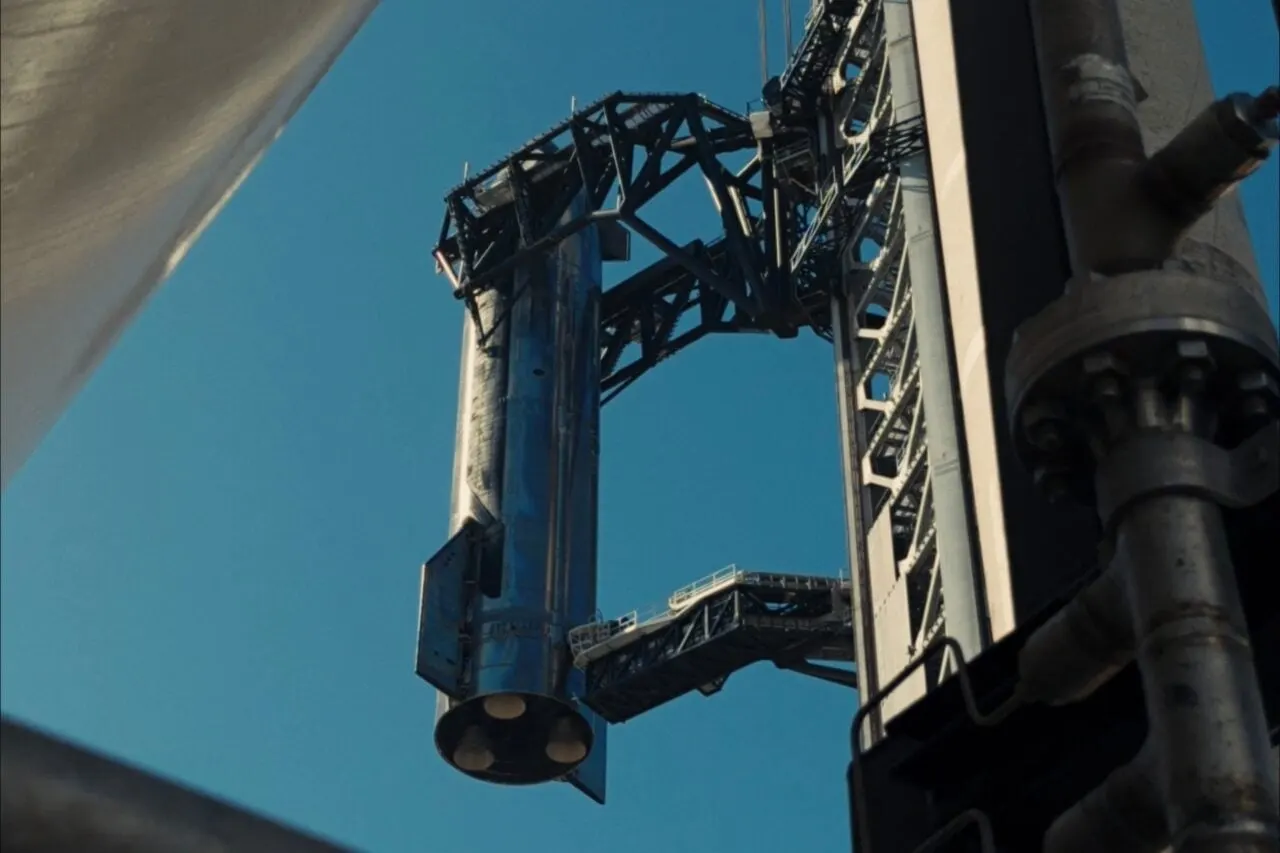
SpaceX Starship catch: the upper stage caught by tower arms
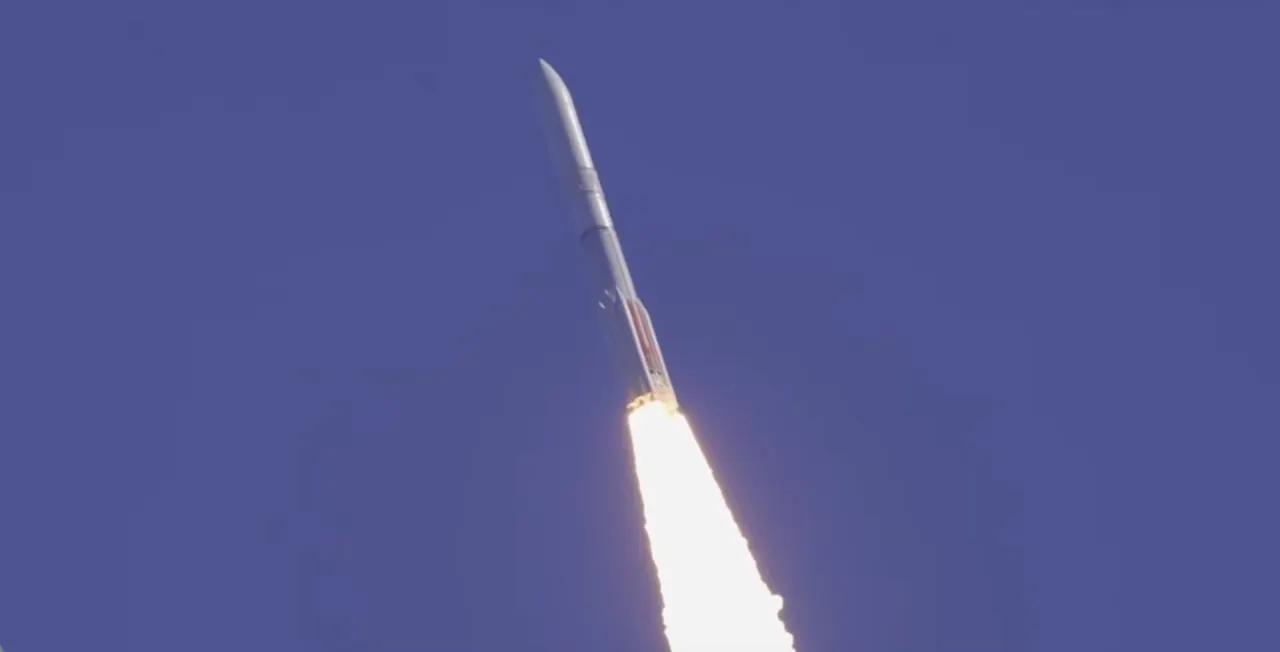
Vulcan Centaur failure: 40 Amazon Leo satellites lost at launch