Vulcan Centaur failure: 40 Amazon Leo satellites lost at launch
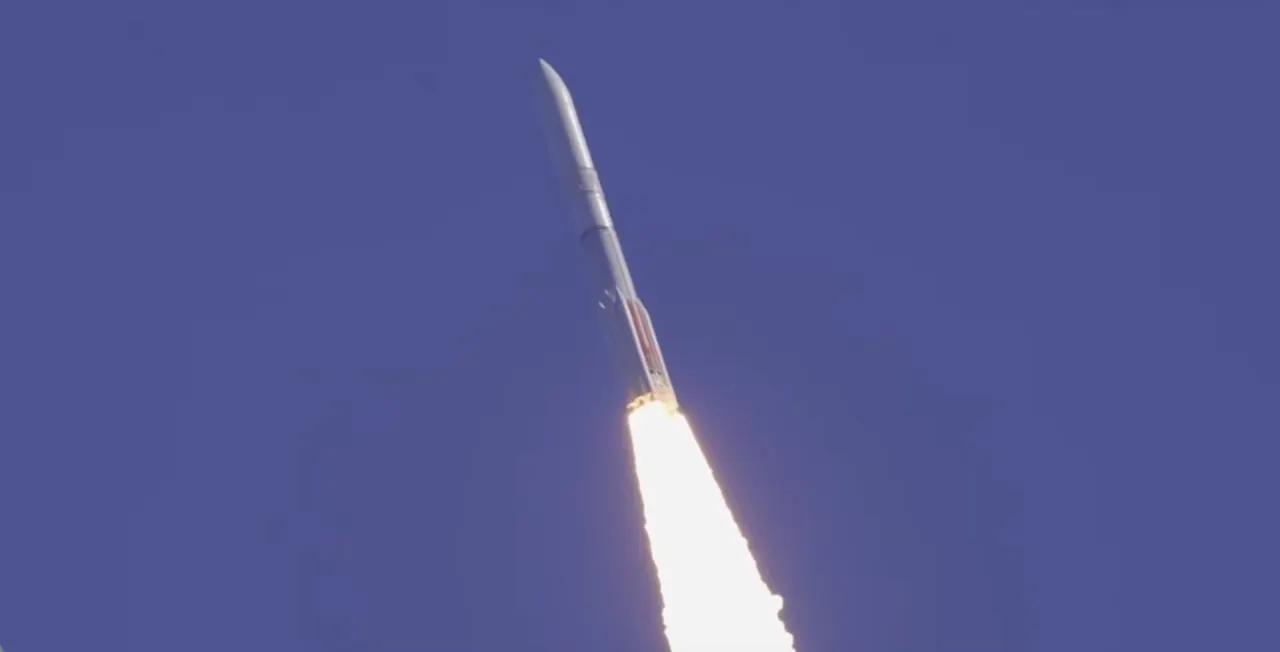
ULA says the Vulcan rocket that lost 40 Amazon Leo satellites was in trouble just after liftoff, when its first-stage booster underperformed.
 SUMO· the number puzzle
 Dialo· learn languages by speaking
 ediviewer· read EDI files like documents
 giftdetect· the right gift in minutes
The Vulcan Centaur rocket that vanished with 40 Amazon Leo internet satellites on Sunday (Nov. 15) was in trouble almost from the start. United Launch Alliance (ULA) said today that the first-stage booster underperformed just after liftoff, even though the mission was only declared lost about 10 minutes in.
According to ULA, early indications are that the booster's low performance caused stage separation to happen when the rocket was too low and too slow to reach orbit. The company says it lost telemetry, the data stream from the rocket, at roughly the 10-minute mark. The Centaur V upper stage and its two RL-10C engines worked as designed but could not make up the shortfall.
The solid rocket boosters, a past trouble spot, appear to have behaved. On Vulcan's second and fourth flights, in October 2024 and February 2026, a nozzle fell off one of them about 30 seconds after liftoff. The rocket still reached orbit both times. ULA says nozzle improvements fixed that, and all indications are that this time the boosters performed normally.
What went wrong with the Vulcan booster?
ULA has not said. The first stage runs on two BE-4 engines built by Blue Origin, and the investigation has only just begun. That matters beyond Vulcan, because the BE-4 also powers Blue Origin's New Glenn rocket, which is key to NASA's Artemis moon program. New Glenn is already recovering from an explosion on the test stand on May 28.
The Centaur V result is at least good news for NASA, which plans to use that upper stage on its Space Launch System moon rocket.
What it means for Amazon Leo
Vulcan has now flown five times, three of them with problems. It is grounded, and so is New Glenn, which leaves the U.S. short of heavy rockets just as SpaceX plans to move from Falcon 9 and Falcon Heavy to Starship.
Amazon has booked about 100 launches to build Amazon Leo, a Starlink competitor planned to exceed 3,200 satellites. Thirty-eight of those are on Vulcan, and Sunday was the first. About 400 Leo satellites are in orbit after 14 launches, not counting this one.
Apps worth a look
SUMO: the number puzzleTap the right tiles, add them up, hit the target. Easy to learn, hard to master. Free, for all ages.
Dialo: learn languages by speakingTalk to an AI conversation partner; every sentence comes back corrected and explained in your language. 9 languages, A1 to C2.
ediviewer: read EDI files like documentsOpen EDIFACT and X12 messages, see every segment explained, convert to JSON/XML, export PDF and Excel. Runs locally, no upload.
giftdetect: the right gift in minutesPick who it is for, the occasion and their personality. The search engine reads product descriptions from local shops and ranks what fits. Free, no sign-up.
More from this day
See all →
Spotify Artist Profile Protection lets artists block fake releases

AI distillation: how Chinese firms learn from US AI models

AI models picked a school in Iran as a target in Vals tests
PlayStation Store lawsuit thrown out by UK tribunal over £2bn claim
More in: Space
See all →
NASA Moon Base Student Challenge: $1 Million for Lunar Base Ideas
Elon Musk says he warned early SpaceX hires they could die
Voyager 1 reaches one light-day from Earth on 18 November