VOLTA malware steals passwords and asks AI what victims are worth
A malware strain called VOLTA steals data from infected PCs, then hands it to an AI model that judges its value, profiles the victim and may even work out a home address.

A malware strain known as VOLTA is adding artificial intelligence to the data-theft playbook. After stealing information from an infected computer, it passes the haul to an AI model, which is asked to assess how much can be squeezed out of the victim.
The AI does more than rate the loot. According to the description of the malware, it links scattered pieces of information about a person found online, works out their habits and preferences and, where the data allows, determines the victim's home address. That last step is a form of doxxing: exposing a person's private details, which can lead to harassment, extortion or physical risk.
Why it matters
Infostealers have long been a staple of cybercrime, but they typically leave a human attacker with a large pile of raw logins and files to sort through. Delegating that sorting to AI changes the economics. Stolen credentials can be ranked by potential value, and personal profiles can be assembled without manual effort, which makes targeted attacks cheaper to run.
For ordinary users, the risk goes beyond a hijacked account. A victim whose data is cross-referenced with public information can be identified, profiled and located, which raises the stakes of a single infection.
What users can do
The basics still apply: keep the operating system and software up to date, avoid installing programs from untrusted sources, use unique passwords with a password manager and turn on two-factor authentication wherever possible. Limiting how much personal information is public online also reduces what automated tools can piece together.
The available details about VOLTA are limited, and further technical analysis of how it spreads and operates should clarify how widespread the threat is.
Apps worth a look
 SUMO: the number puzzle
Tap the right tiles, add them up, hit the target. Easy to learn, hard to master. Free, for all ages.
 Dialo: learn languages by speaking
Talk to an AI conversation partner; every sentence comes back corrected and explained in your language. 9 languages, A1 to C2.
 ediviewer: read EDI files like documents
Open EDIFACT and X12 messages, see every segment explained, convert to JSON/XML, export PDF and Excel. Runs locally, no upload.
More from this day
See all →
Canva to 'refound' company as 22% of workforce faces job changes

Bessemer Leads $1.3 Billion Funding Round for AI Startup Fal

Tanmiya Capital closes $130 million Fund II backed by EIB

ABA Life secures $40 million from Admaius Capital Partners
More in: Security
See all →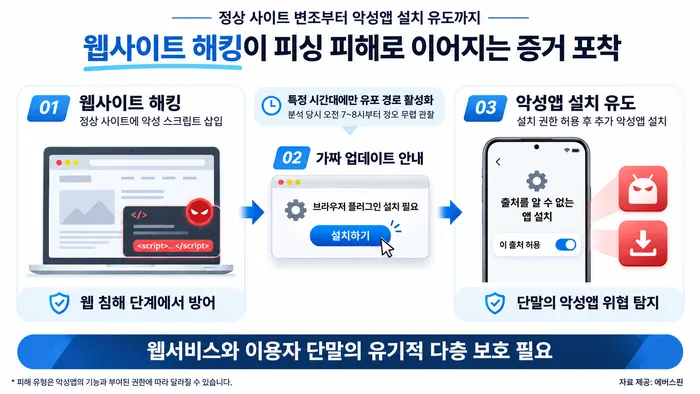
Fake Samsung Browser Update on Hacked Sites Spreads Android Malware

Asoview Confirms 15.8 Million Member Records Leaked via Arara
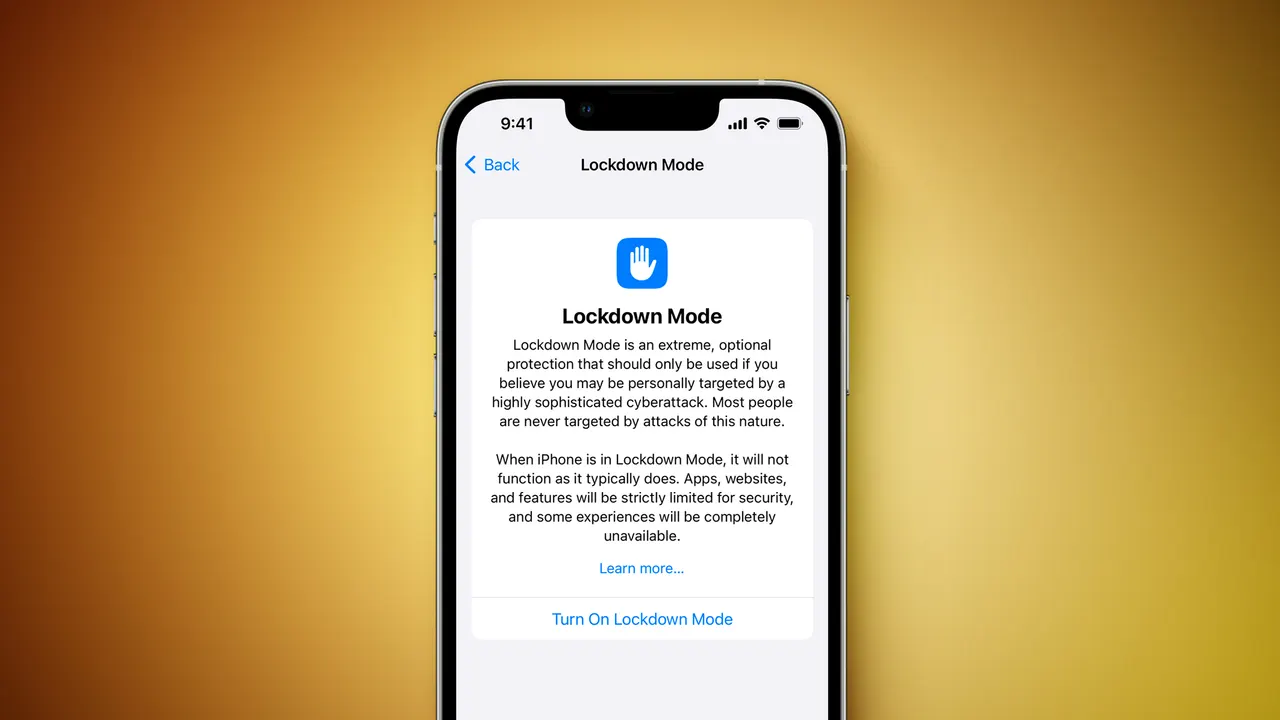
iPhone Jailbreak Bypasses Lockdown Mode and Survives iOS Update