Canva to 'refound' company as 22% of workforce faces job changes
Canva CEO Melanie Perkins says small changes won't be enough as growth slows and AI reshapes the business. About 22% of staff face redundancy, role changes or relocation.
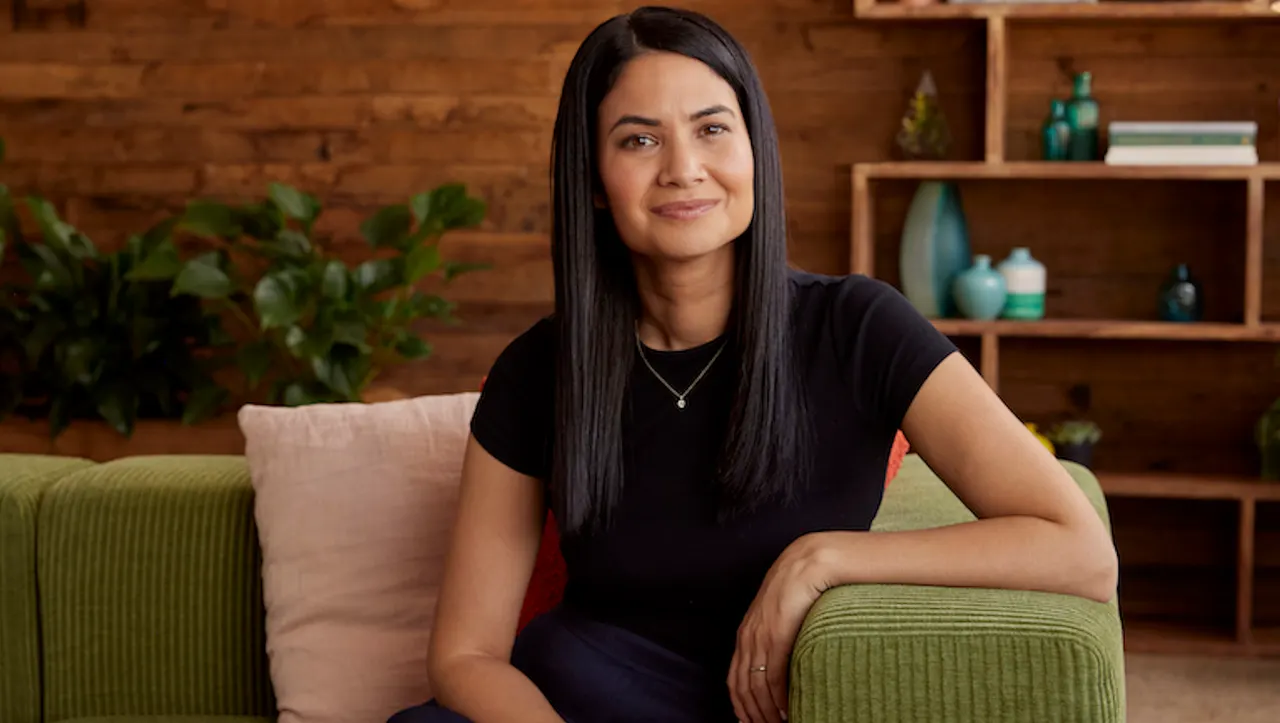
Canva is restructuring in a bid to restart growth, with 22% of its workforce affected by redundancies, role changes or relocation. CEO and cofounder Melanie Perkins announced the plan in a company-wide note, calling it the "hardest moment in our 13-year history".
Perkins said the Sydney-based design company had explored a range of alternatives but concluded that "small changes won't be enough". Growth, she noted, has slowed for the first time in a decade. The goal is to "refound Canva" around small, empowered teams that own decisions. She did not give a total for redundancies, as the 22% figure also covers staff facing new roles or moves.
What changes inside Canva
Product, Growth and Platform will merge into a single organisation. Specialised roles will be broadened, and layers and overlapping responsibilities removed. Perkins said work had been split across too many subspecialties, which fragmented ownership and made it harder to see the full picture.
Sydney will become the main base for more product teams and other roles, with relocation support offered. From January, most hybrid employees will be expected in the office two to three days a week.
Departing staff will receive at least six months' salary, including statutory entitlements. Canva is dropping the one-year equity vesting cliff for recent hires, offering career support and letting employees keep their MacBooks. Healthcare, where already provided, and employee assistance will continue for 12 months, with the latter also covering families. A new Canva Collective Fund will give US$10,000 grants to departing staff who start businesses or community projects, with Canva taking no equity.
Pressure from AI costs and valuation
In August, Canva cut its 2026 revenue growth forecast from 30% to 20% after slowing AI product rollouts to manage high computing costs. Blackbird and Airtree have marked its valuation down 17% to US$34.9bn from a US$42bn peak, while a separate employee share valuation fell to US$31bn.
The business remains profitable on the figures disclosed: June-quarter revenue rose 25.2% year on year to US$921.9m, and Canva ended June with US$1.47bn in cash after nine profitable years. It has also cut the cost of serving an AI task by 90%, signed a new deal with OpenAI aimed at lowering costs, and unveiled two in-house models, Brush for design editing and Craft for image generation.
A company meeting is planned for next week to discuss the changes. "I'm deeply sorry for the pain and disruption this will cause for everyone affected," Perkins said.
Apps worth a look
 SUMO: the number puzzle
Tap the right tiles, add them up, hit the target. Easy to learn, hard to master. Free, for all ages.
 Dialo: learn languages by speaking
Talk to an AI conversation partner; every sentence comes back corrected and explained in your language. 9 languages, A1 to C2.
 ediviewer: read EDI files like documents
Open EDIFACT and X12 messages, see every segment explained, convert to JSON/XML, export PDF and Excel. Runs locally, no upload.
More from this day
See all →
Reddit Tests In-App Search Ads as Google Traffic Declines
LO:TECH raises $12 million to expand crypto trading in US, Asia