Acecore wins TC Battlefield 2026 with Nigerian-made home batteries
Nigerian startup Acecore took the $10,000 grand prize at TC Battlefield 2026 in Lagos with home batteries whose casing and software are built locally.
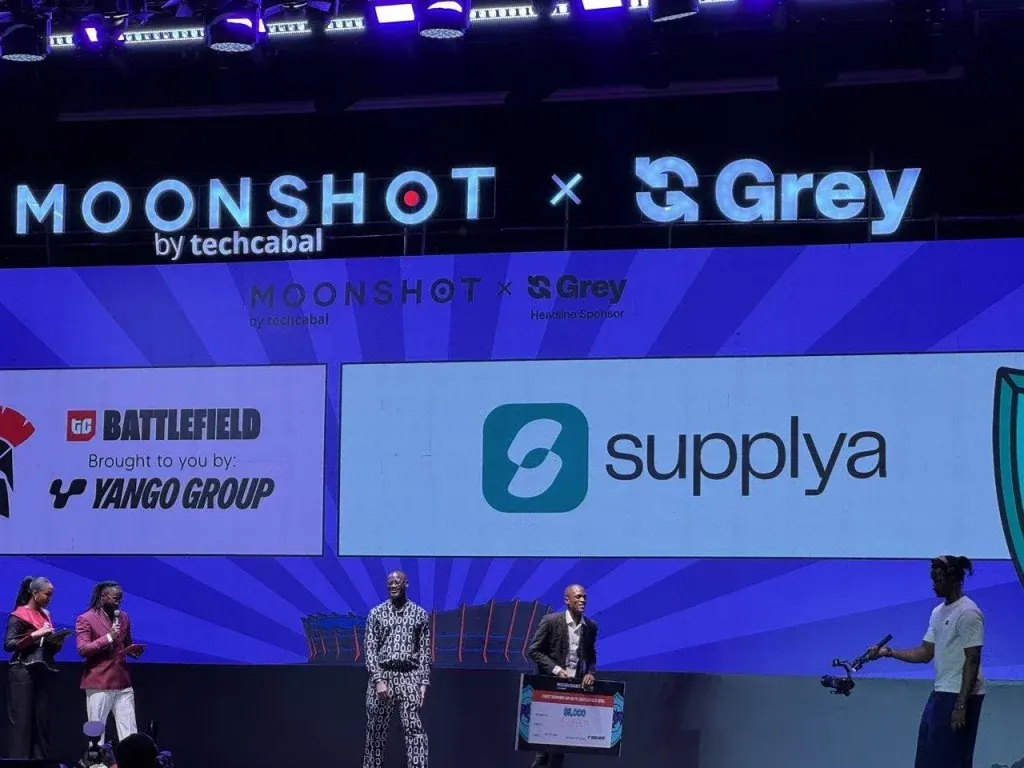
Acecore, a Nigerian startup that builds home energy storage systems, has won TC Battlefield 2026 at the Moonshot conference in Lagos and taken the $10,000 grand prize. Supplya, which gives informal retailers stock on credit, finished second with $5,000, and maritime robotics startup Navidyn came third with $2,500.
Caleb Iwuoha, Acecore's founder and chief executive, told the judges that the system's casing and battery management software were "all built here in Nigeria by our very own hands." The company sells a home battery system and a smart socket that lets users control their appliances. It says its system costs more than 20% less than comparable products, and a partner bank lets customers pay in instalments.
Price was the hard question
Acecore faced the toughest questions on cost. One judge noted that imported Chinese systems land in Nigeria at a price similar to Acecore's, which starts at about $5,250, and pressed Iwuoha on unit economics. He said the company runs a 62% margin.
The startup is building in a market that imports most of its power hardware. According to the think tank Ember, Nigeria imported 1,721 megawatts of solar panels from China in the 12 months to June 2025, making it Africa's second-largest importer after South Africa.
The rest of the podium
Navidyn builds underwater robots to inspect offshore oil and gas sites. Its co-founders told the judges that Africa has so far invested in fintech, logtech, agritech and edtech, and that it is now time to back advanced AI and robotics. The startup says a Sahara Group representative brought it a $5,000 inspection job before its product was ready. Supplya says it has extended more than $150,000 in credit to small shops since October 2024, and that 98% has been repaid.
Navidyn and Supplya, along with women's health app Fertitude, also won places in Antler's residency programme, where they can raise up to $250,000 in pre-seed investment. The winners were picked from 10 finalists, which also included Growwr, Kuraway, Lena, QiqiFarms, Riwe and Swiftway Shippers. The judges came from HoaQ, SWIT, Antler and Yango Group, which sponsored the competition.
Two of the three podium places went to startups making physical products in Nigeria, a slower and costlier path than software. If Acecore and Navidyn can hold their margins against imports, they will show investors that Nigerian hardware can compete on price as well as on story.
Apps worth a look
 SUMO: the number puzzle
Tap the right tiles, add them up, hit the target. Easy to learn, hard to master. Free, for all ages.
 Dialo: learn languages by speaking
Talk to an AI conversation partner; every sentence comes back corrected and explained in your language. 9 languages, A1 to C2.
 ediviewer: read EDI files like documents
Open EDIFACT and X12 messages, see every segment explained, convert to JSON/XML, export PDF and Excel. Runs locally, no upload.
More from this day
See all →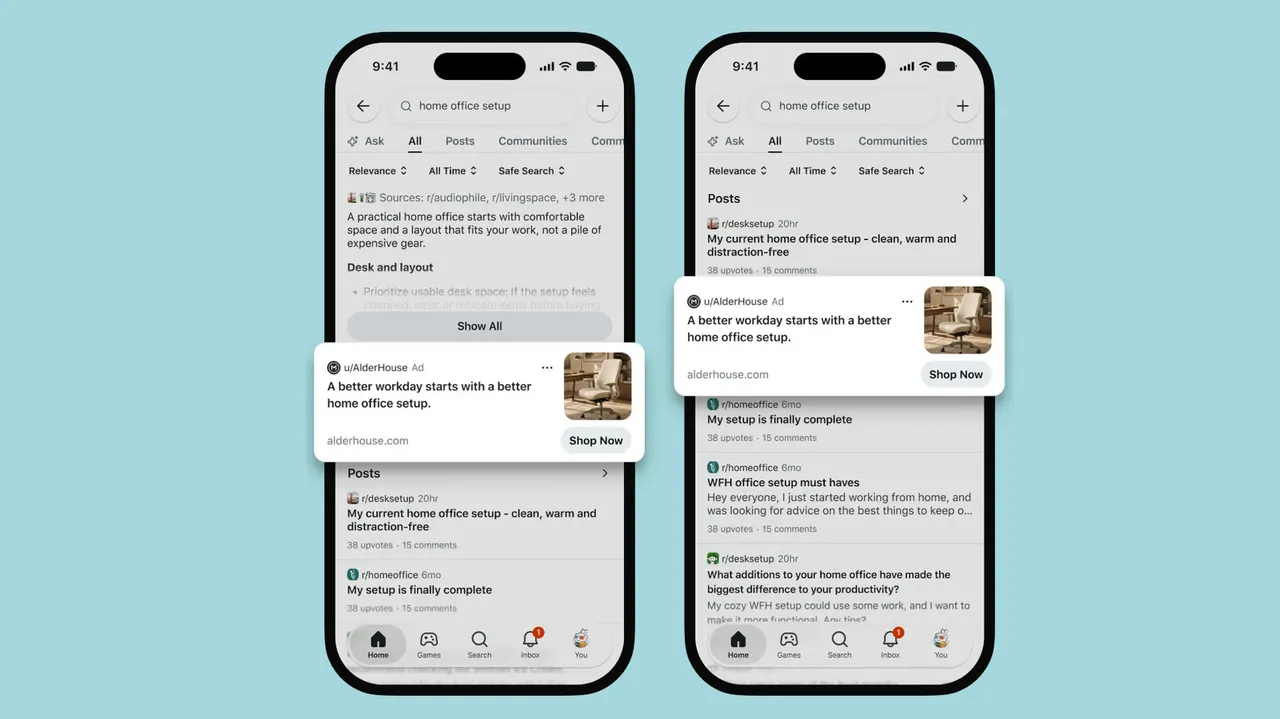
Reddit Tests In-App Search Ads as Google Traffic Declines
LO:TECH raises $12 million to expand crypto trading in US, Asia