University of Kentucky Official Wins Religious Exemption From AI
David Dorman, an official at the University of Kentucky, has been granted a religious accommodation that lets him skip AI tools at work, citing his humanist beliefs.
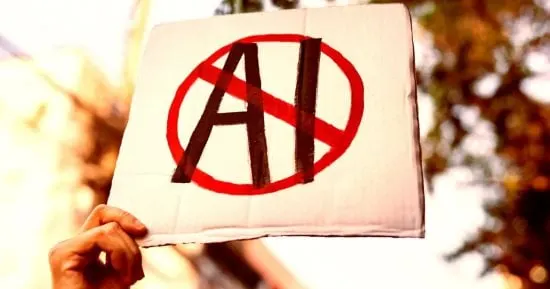
David Dorman, an official at the University of Kentucky, has received a religious exemption that allows him to avoid using artificial intelligence in his job. He argued that relying on the technology conflicts with his humanist and ethical beliefs.
Dorman says handing cognitive tasks to chatbots could stunt his development as a "moral agent" and limit his ability to build thinking and interpersonal skills. With help from the American Humanist Association, he applied under Title VII of the federal Civil Rights Act, which bans workplace discrimination and lets employees request religious accommodations. The university approved the request in September.
"Human presence" over automation
In a letter to the university's equal opportunity office, Dorman wrote that replacing "automated processing" with human presence, real listening and personal responsibility in his work directly conflicts with his commitment to prioritizing human dignity and flourishing. For him, he said, the matter is not a technical preference but a question of how he wants to do his job and which values he upholds.
He also says that thinking deeply about situations, his work and how he treats others is central to growing as an ethical person, and that giving up that effort, tiring or not, weakens it.
A first for humanists, not for AI exemptions
The American Humanist Association told Religion News Service that, to its knowledge, Dorman is the first humanist to win such an exception under religious accommodation law. Association attorney Alexandria Hoyskins said it is the first time a humanist has been granted one on the grounds that using AI violates freedom of conscience. She added that humanism is a comprehensive way of life built on inherent worth and dignity, and that people should be able to practice it at work just as Christians and Muslims practice their faiths.
He is not the first American to obtain an AI-related exemption. Erin Mouse, a software engineer and member of the Unitarian Universalist Church in North Carolina, received a similar one this summer, saying the ethical and environmental concerns around AI conflict with her beliefs.
The case comes as religious leaders worldwide debate AI's effect on faith and practice, including Pope Leo, who has taken a critical stance. Dorman's position also echoes "cognitive surrender," a term coined by MIT researchers for people delegating their mental faculties to AI tools.
Apps worth a look
 SUMO: the number puzzle
Tap the right tiles, add them up, hit the target. Easy to learn, hard to master. Free, for all ages.
 Dialo: learn languages by speaking
Talk to an AI conversation partner; every sentence comes back corrected and explained in your language. 9 languages, A1 to C2.
 ediviewer: read EDI files like documents
Open EDIFACT and X12 messages, see every segment explained, convert to JSON/XML, export PDF and Excel. Runs locally, no upload.
More from this day
See all →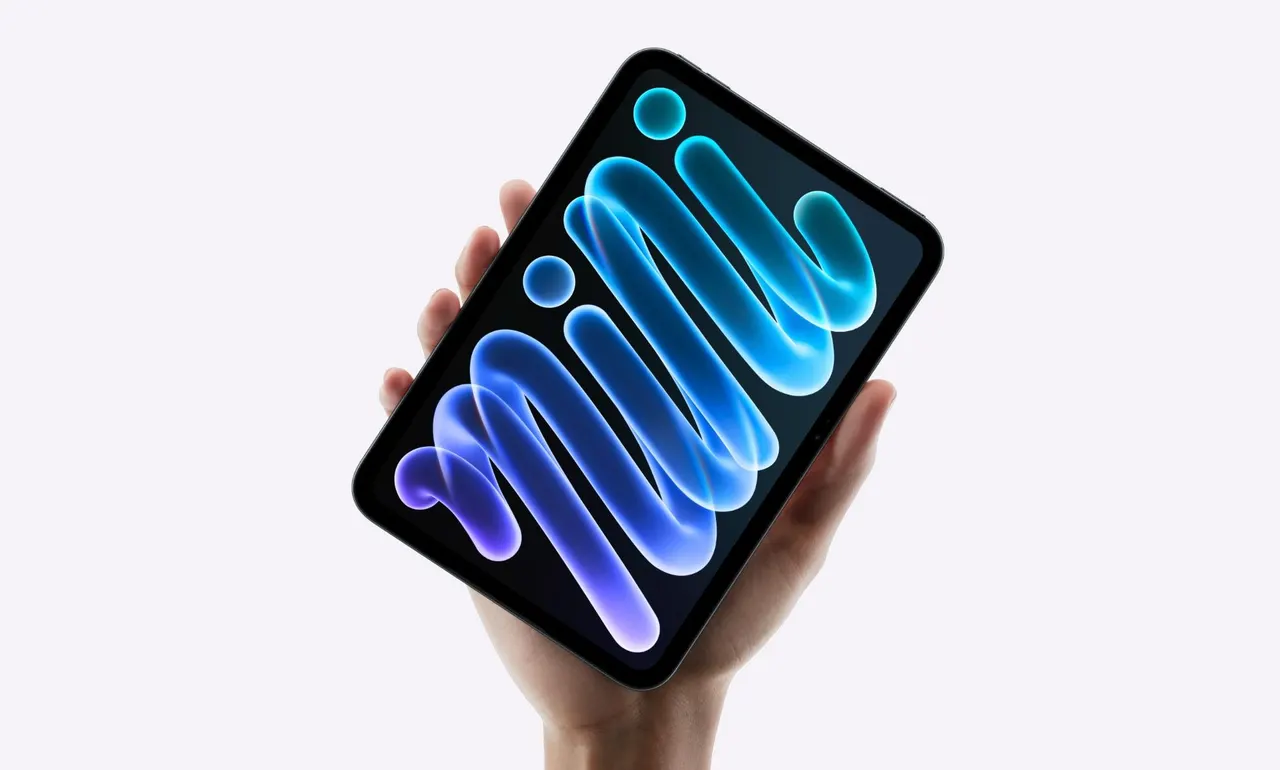
New iPad mini Has a Smaller Battery, but Runtime Stays at 10 Hours
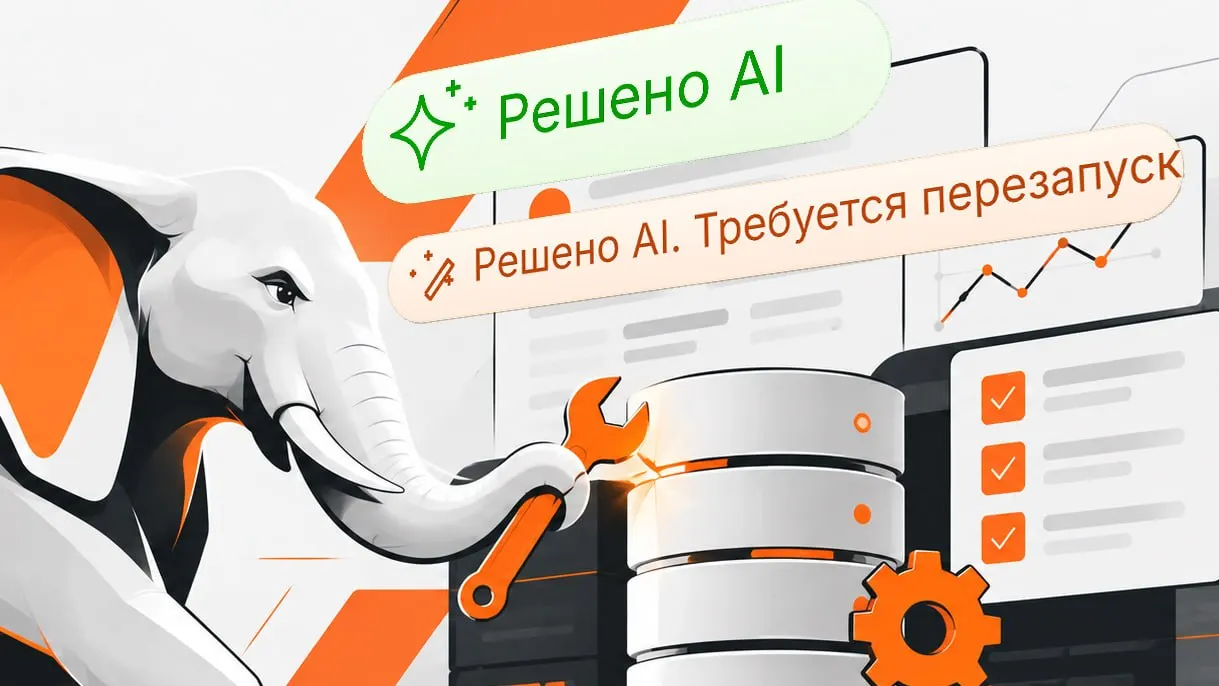
Tantor Platform 7.1 Adds AI Self-Healing for PostgreSQL
Claude Code Now Blocks Game Cloning and Some Reverse Engineering