TU Dresden Plans Molten Salt Reactor to Recycle Nuclear Waste
TU Dresden wants to build the experimental reactor DEMO to turn spent fuel into energy and short-lived fission products, which could make a final repository unnecessary.
 SUMO· the number puzzle
 Dialo· learn languages by speaking
 ediviewer· read EDI files like documents
 giftdetect· the right gift in minutes
Researchers at TU Dresden want to prove that Germany's nuclear waste can be put to use instead of being buried. The university plans to build an experimental recycling reactor called "DEMO", based on a molten salt reactor, that would extract energy and material from the highly radioactive residues of light-water reactor operation.
What DEMO is meant to do
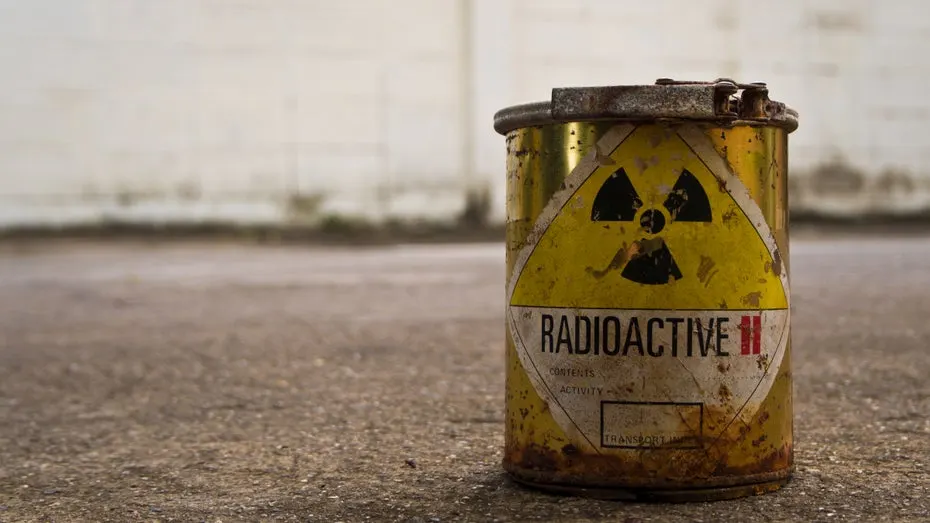
According to the project, existing spent fuel rods and vitrified waste would be fed into the reactor without the reprocessing that has been required so far. They would be converted into low-emission energy and mostly short-lived fission products. Only those fission products would remain as residue, so final disposal under the Site Selection Act (StandAG) would no longer be needed. That law governs the multi-stage search for a repository for long-lived, heat-generating radioactive waste.
The background is considerable: about 27,000 cubic meters of nuclear waste have accumulated in Germany from decades of operating nuclear power plants. The Federal Company for Radioactive Waste Disposal (BGE) is searching for a site that can enclose the waste safely for one million years. The search was recently narrowed, and the areas under consideration were cut significantly.
Big promises, open questions
The researchers expect savings of around 50 billion euros, assuming no repository would be required. They also say the technology would unlock energy resources equal to 300 times Germany's annual electricity consumption. The press release does not explain how these estimates were calculated.
Whether the concept works and finds political acceptance remains to be shown. First findings are expected in five years at the earliest, during which the team intends to build the experimental reactor. Reactors that can use spent fuel or the transuranic elements created in nuclear reactors have been studied for decades, so the idea is not new. It still has to prove itself in practice.
Apps worth a look
SUMO: the number puzzleTap the right tiles, add them up, hit the target. Easy to learn, hard to master. Free, for all ages.
Dialo: learn languages by speakingTalk to an AI conversation partner; every sentence comes back corrected and explained in your language. 9 languages, A1 to C2.
ediviewer: read EDI files like documentsOpen EDIFACT and X12 messages, see every segment explained, convert to JSON/XML, export PDF and Excel. Runs locally, no upload.
giftdetect: the right gift in minutesPick who it is for, the occasion and their personality. The search engine reads product descriptions from local shops and ranks what fits. Free, no sign-up.
More from this day
See all →
Initiative GeBeDi posts 95 theses against the ePA at Health Ministry

Quick Commerce Becomes Top Channel for Indian Beauty Brands

GoKwik Adds Non-Compete Clause That Puts Vested ESOPs at Risk
Cape Cod Meteor Traced Back to an Orbit Near Jupiter
More in: Science
See all →
Diraq Runs Silicon Spin Quantum Computer in Equinix Data Center
KIT Tests CO₂ Capture at a Waste Incineration Plant
Tsinghua Turns Old Wind Turbine Blades Into Graphene in 0.5 Seconds