Haloferax volcanii Grows Under Mars-Like Conditions in Lab Test
An Earth extremophile reproduced for 160 days in oxygen-free, salty, low-pressure conditions with Mars-linked chemicals, raising hopes for life on the Red Planet.
 SUMO· the number puzzle
 Dialo· learn languages by speaking
 ediviewer· read EDI files like documents
 giftdetect· the right gift in minutes
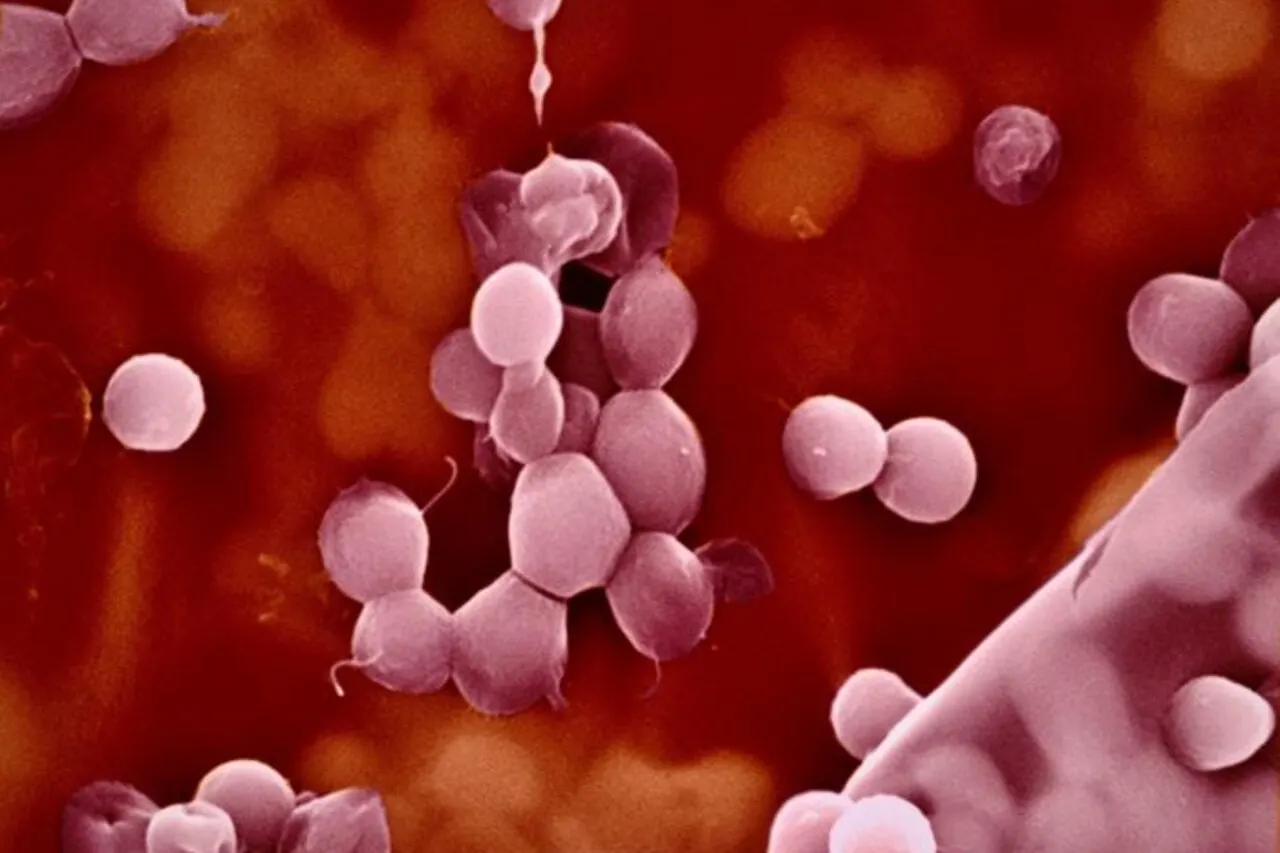
A salt-loving microbe from Earth has not just survived but multiplied in conditions modeled on Mars. Researchers exposed the extremophile Haloferax volcanii to an oxygen-free, carbon-rich, low-pressure and extremely salty environment for 160 days, according to a study published Thursday in Applied and Environmental Microbiology.
Growth, not just survival
Previous experiments have tested microbes against Martian stresses such as high salt or low pressure, sometimes combined, but usually for only hours or days. "Far fewer have been able to combine these conditions together and show that microorganisms can actively grow," said Adam Robinson, an astrobiologist at the University of Florida and co-lead author of the study.
The team supplied some cultures with nitrate or perchlorate, bleach-like compounds linked to Mars. The microbes used these chemicals to fuel their metabolism and reproduced, though more slowly than comparable cultures kept at Earth's atmospheric pressure. They also retained most of their water in the salty setting, possibly helped by structures called biofilms. Cultures without nitrate or perchlorate merely survived.
Limits of the experiment
The researchers stress that the simulation did not capture every Martian condition. The microbes were kept at 21 degrees Celsius (70 degrees Fahrenheit), far warmer than most of the Martian subsurface. It is also unknown whether the pockets of liquid water the lab setup was meant to mimic actually exist on Mars. "The environment that we're mimicking in this experiment has not been observed on Mars, but is theorized to exist," Robinson explained.
Why it matters
The result adds to research suggesting that life as we know it could cope with conditions thought to exist on Mars, including just beneath the surface, where salty environments are expected. "We are adding to the growing body of evidence suggesting that we should consider the possibility of life on Mars today," Robinson said. That could widen the search beyond traces of long-extinct microbial life and point scientists toward new places to look.
Apps worth a look
SUMO: the number puzzleTap the right tiles, add them up, hit the target. Easy to learn, hard to master. Free, for all ages.
Dialo: learn languages by speakingTalk to an AI conversation partner; every sentence comes back corrected and explained in your language. 9 languages, A1 to C2.
ediviewer: read EDI files like documentsOpen EDIFACT and X12 messages, see every segment explained, convert to JSON/XML, export PDF and Excel. Runs locally, no upload.
giftdetect: the right gift in minutesPick who it is for, the occasion and their personality. The search engine reads product descriptions from local shops and ranks what fits. Free, no sign-up.
More from this day
See all →Sarvam Names Ex-Google Cloud India Head Sreedharan as President
Bitcoin miner MARA sells 13,597 BTC for $1.1 billion in six weeks

triPica Raises €12.4M From TiLT to Modernise Energy Billing

Light Frame raises $5.1M seed to modernise private banking tech
More in: Science
See all →
Researchers develop heat-based recycling method for wind turbine blades
TU Dresden Plans Molten Salt Reactor to Recycle Nuclear Waste

South Korea Hits 99% Two-Qubit Gate Accuracy in Quantum Push