TRAI Backs Direct-to-Device Satellite Links, New Authorisation
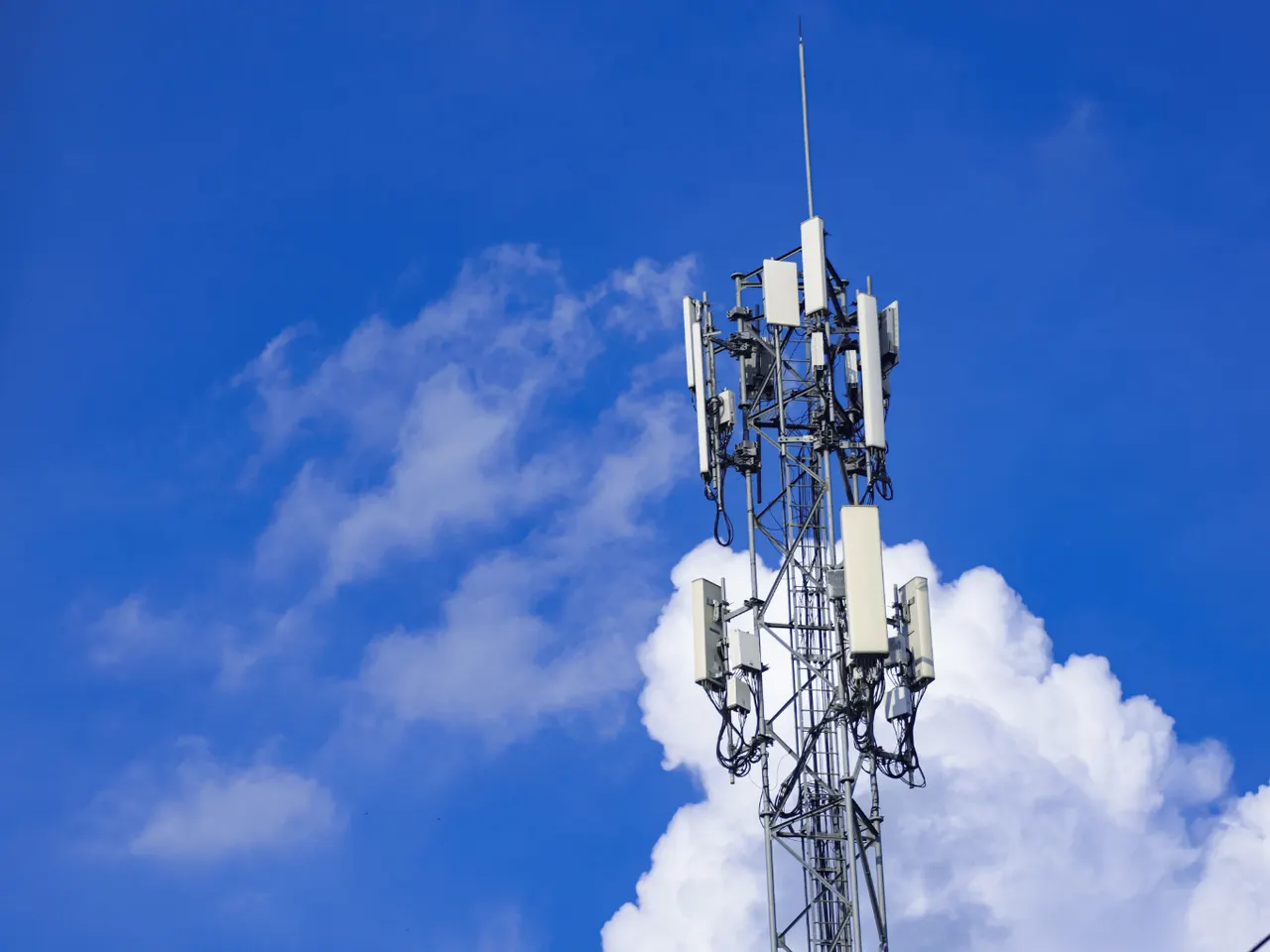
India's telecom regulator TRAI wants to allow direct-to-device satellite connectivity and create a separate authorisation for satellite network providers, pending government approval.
 SUMO· the number puzzle
 Dialo· learn languages by speaking
 ediviewer· read EDI files like documents
 giftdetect· the right gift in minutes
The Telecom Regulatory Authority of India (TRAI) has recommended allowing direct-to-device (D2D) satellite connectivity and creating a separate authorisation for satellite network providers. The proposals could let compatible smartphones connect directly to satellites, potentially reaching areas with no conventional mobile coverage. They need government approval and do not immediately permit commercial D2D services.
A new Satellite Communication Network authorisation
Under the proposed Satellite Communication Network (SCN) Provider Authorisation, companies could build and operate satellite networks and sell capacity to eligible telecom service providers. They could not serve end users directly under this authorisation. A satellite firm wanting to sell mobile or broadband services to consumers would still need the relevant service licence.
The split means one company can run the satellite network while another sells connectivity to customers. Telecom operators could extend their coverage through partnerships while keeping their customer relationships. The authorisation would be nationwide and valid for up to 20 years, renewable for another period of up to 20 years.
Two routes for D2D, and the fees
TRAI has outlined two D2D routes. One uses spectrum earmarked for mobile satellite services, and the regulator suggests the government encourage handset makers to support the relevant satellite bands in future smartphones sold in India. The other lets operators partner with satellite providers to use their existing terrestrial mobile spectrum. Participating operators would collectively need to hold the relevant frequency channel across all 22 licensed service areas and agree to its use.
TRAI says this should proceed without waiting for the World Radiocommunication Conference 2027. Satellite services would have to avoid interfering with existing authorised services and could not claim protection from interference caused by them.
The proposed authorisation fee is 8% of adjusted gross revenue (AGR), with no minimum fee. Government-assigned satellite spectrum would run for up to five years, extendable by up to two, with an annual minimum charge of ₹3,500 per MHz. In partnerships, spectrum rights stay with the operator, and no extra spectrum charges would apply beyond existing ones.
The recommendations arrive as Starlink, Bharti-backed Eutelsat OneWeb and Reliance Jio work to tap India's satellite connectivity market.
Apps worth a look
SUMO: the number puzzleTap the right tiles, add them up, hit the target. Easy to learn, hard to master. Free, for all ages.
Dialo: learn languages by speakingTalk to an AI conversation partner; every sentence comes back corrected and explained in your language. 9 languages, A1 to C2.
ediviewer: read EDI files like documentsOpen EDIFACT and X12 messages, see every segment explained, convert to JSON/XML, export PDF and Excel. Runs locally, no upload.
giftdetect: the right gift in minutesPick who it is for, the occasion and their personality. The search engine reads product descriptions from local shops and ranks what fits. Free, no sign-up.
More from this day
See all →
GOG GALAXY Is Coming Natively to Linux After 18 Years
Claude Code accused of leaking users' email addresses to websites

Alta Ares wins six NATO counter-drone lots in first big deal

NCBR Sets Aside PLN 25 Million for International AI R&D Projects
More in: Business
See all →
Poland's Palantir Defence Deal Draws Calls for Risk Audit

S3NS adds managed AI services to Premi3ns with Mistral, Google models
Moscow Court Orders Ex-Google Russia Chief to Pay 160 Billion Rubles