Tesla Plans to Start Selling Cybercabs by End of Year
Tesla says it will sell the steering-wheel-free Cybercab to customers by year-end, even as US safety regulators probe whether the vehicle meets federal standards.
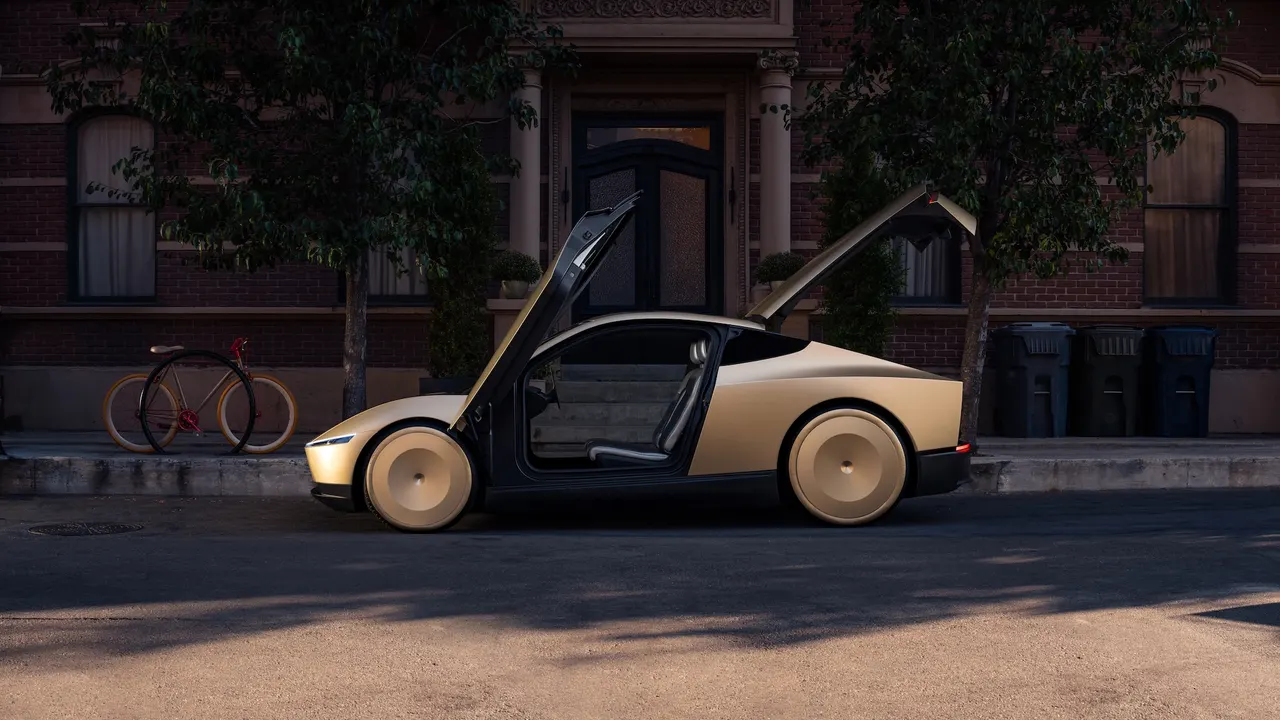
Tesla will begin selling its Cybercab to customers before the end of the year, the company said on its third-quarter earnings call, even though a federal investigation into the vehicle is still open. The gold-colored two-seater has no steering wheel or other traditional controls.
Lars Moravy, Tesla's vice president of engineering, said every Cybercab built so far is going into Tesla's own robotaxi fleet. As that fleet grows, the company will "mainly deliver fully designed autonomous vehicles to our customers," he said, adding that sales will start small while Tesla learns how delivery, ownership and fleet management work for autonomous cars, as TechCrunch reports.
A shift in the robotaxi plan
Elon Musk has long promised a huge fleet of cheap robotaxis, but the original idea was to turn privately owned Teslas into self-driving taxis through a software update. That has not happened. Today owners can subscribe to Full Self-Driving (Supervised), which still requires a driver ready to take over. Musk now says an unsupervised version will reach customers in the second quarter of next year, another delay for people who paid for the software years ago.
If both timelines hold, third-party fleet operators could buy and run autonomous Cybercabs before Tesla owners get the same capability in their own cars. Musk stressed that the Cybercab is meant as transport as a service rather than a car to own, and that most will stay Tesla-owned. Models like the 3 and Y, and the Roadster, are the ones people would want to own, he said.
Regulatory risk
The National Highway Traffic Safety Administration opened an investigation last month, hours after Cybercabs began running on public streets in Austin. Federal Motor Vehicle Safety Standards require manual controls such as brake pedals, plus mirrors. Automakers self-certify compliance, and Tesla did so. Current rules do not cover vehicles without manual controls, although the Department of Transportation has proposed dropping those requirements for autonomously designed vehicles.
NHTSA says it will examine the process and technical data Tesla used to certify the Cybercab. The result could determine whether Tesla, or any buyer, can legally operate the vehicle.