Stellantis Recovers in Europe, but Its Turnaround Will Be Slow
Stellantis grew European deliveries by 10% and electric sales by 65%, yet its European margin is negative and a full recovery depends on platforms due from 2027.
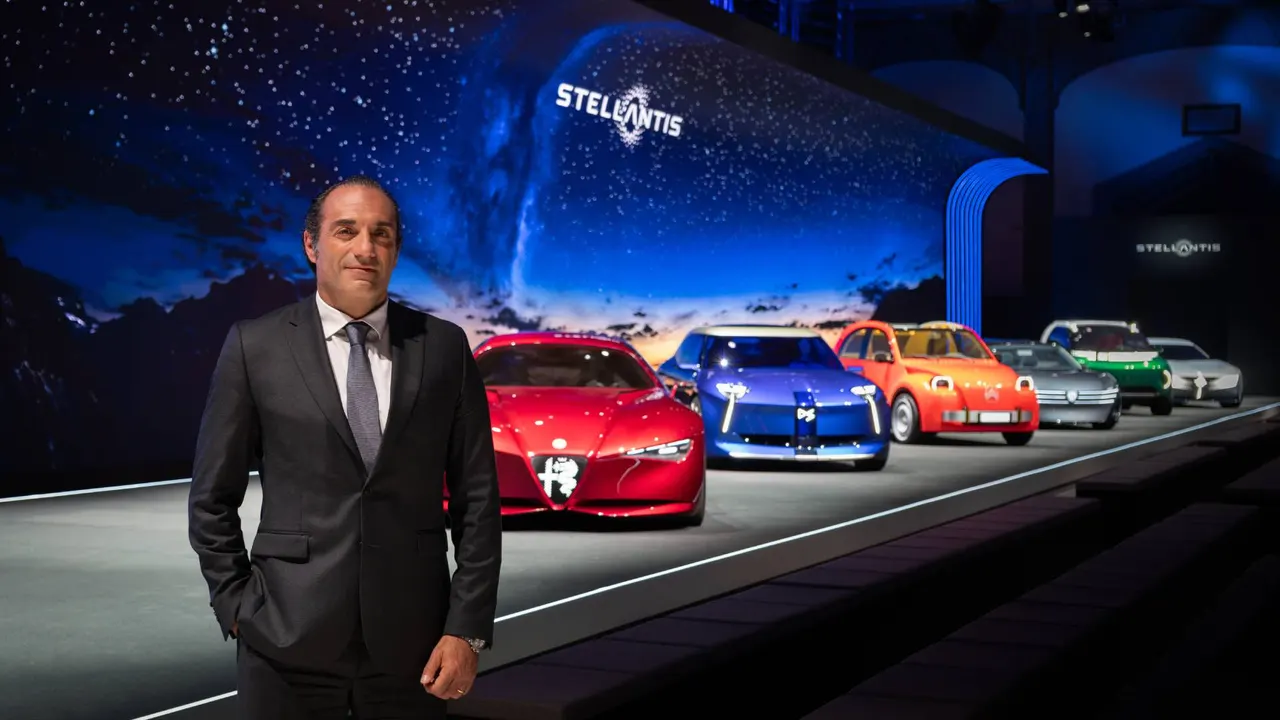
Stellantis is showing signs of recovery in Europe, but its third-quarter results on 28 October make clear that the road back will be long. European deliveries rose 10% and electric car sales jumped 65%, yet the group's adjusted operating margin in the region fell to -2.2%, compared with +1.2% a year earlier.
Cheap EVs sell, but quality lags
The growth is driven largely by models built on the group's "Smart Car" platform, led by the Citroën ë-C3. Discounts granted to move production weigh on earnings, though. Delayed launches, recurring software bugs and a weak perception of quality on these affordable vehicles also hold the group back.
The contrast is stark for a company that once boasted double-digit profitability. Two years after the crisis of late 2024, which precipitated the departure of Carlos Tavares, CEO Antonio Filosa is trying to reassure markets that the new approach is working. Management changes seem to be producing early effects, and the group has kept its financial targets.
A thin product calendar and a Chinese crutch
The European launch calendar looks sparse for a group with 14 brands. Stellantis impressed with a series of concepts at the Paris show, but few of them are close to dealerships. The Lancia Gamma is unlikely to reignite sales, and the upcoming Fiat Grizzly, a cousin of the Citroën ë-C3 Aircross and Opel Frontera, may draw curious buyers without changing the picture. Meanwhile, high-volume models are ageing and their replacements are late.
Filosa is betting on the future STLA One platform and wider use of LFP battery chemistry, both expected around 2027-2028.
Leapmotor helps in the meantime. Including the Chinese models Stellantis distributes in Europe, electric growth reaches 93%, versus 65% without them. The brand widens the group's electric range and brings in new customers, but leaning on it risks masking doubts about the competitiveness of Stellantis's historic brands.
For a full recovery, factories will need to run smoothly, battery supply will have to keep pace and the group must rediscover the recipe for well-conceived cars that built its brands' reputations. Recovery is in sight, but it will take patience in Europe.
More from this day
See all →
Indian startup funding stays subdued as October VC inflow remains modest
UPI Hits Record 25.47 Billion Transactions in October 2026

Huawei Pura 90 Plus Launches With Kirin 9025 and 100W Charging

iPhone 18 Leaks: A20 Chip, More RAM and Siri Upgrade Due 2027
More in: Automotive
See all →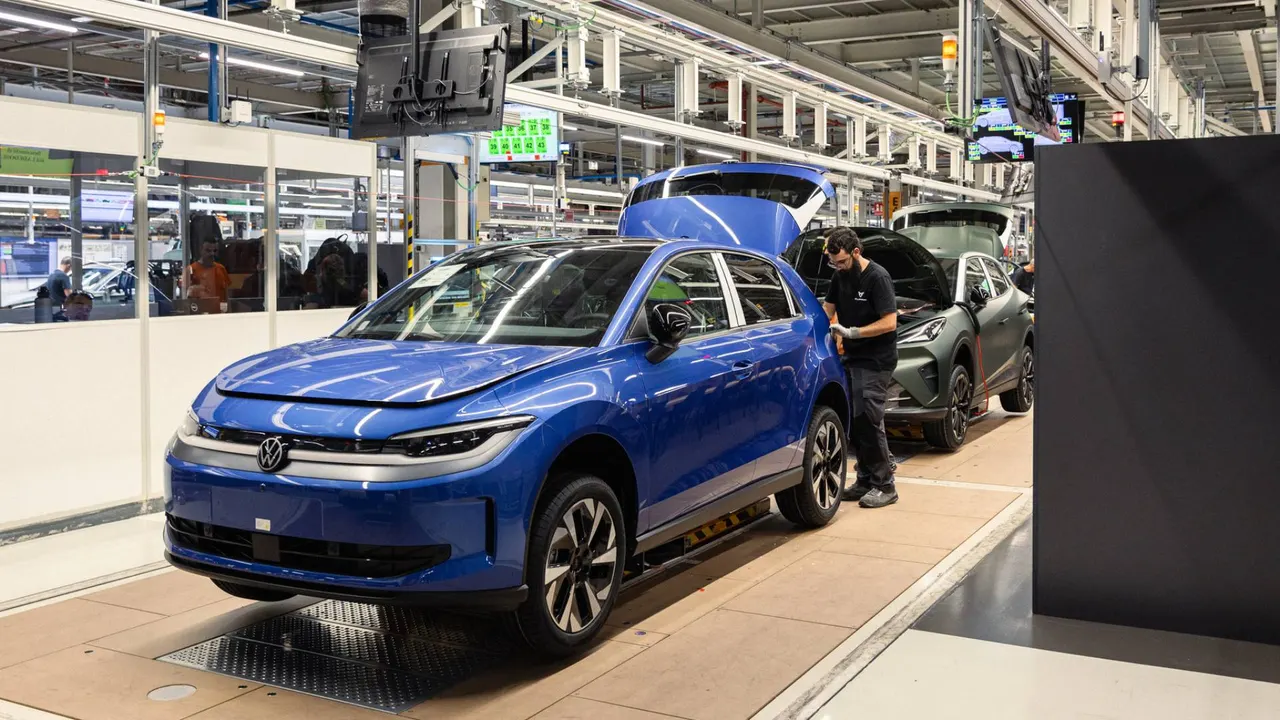
Martorell Halts ID. Polo and Cupra Raval Output on Cell Shortage
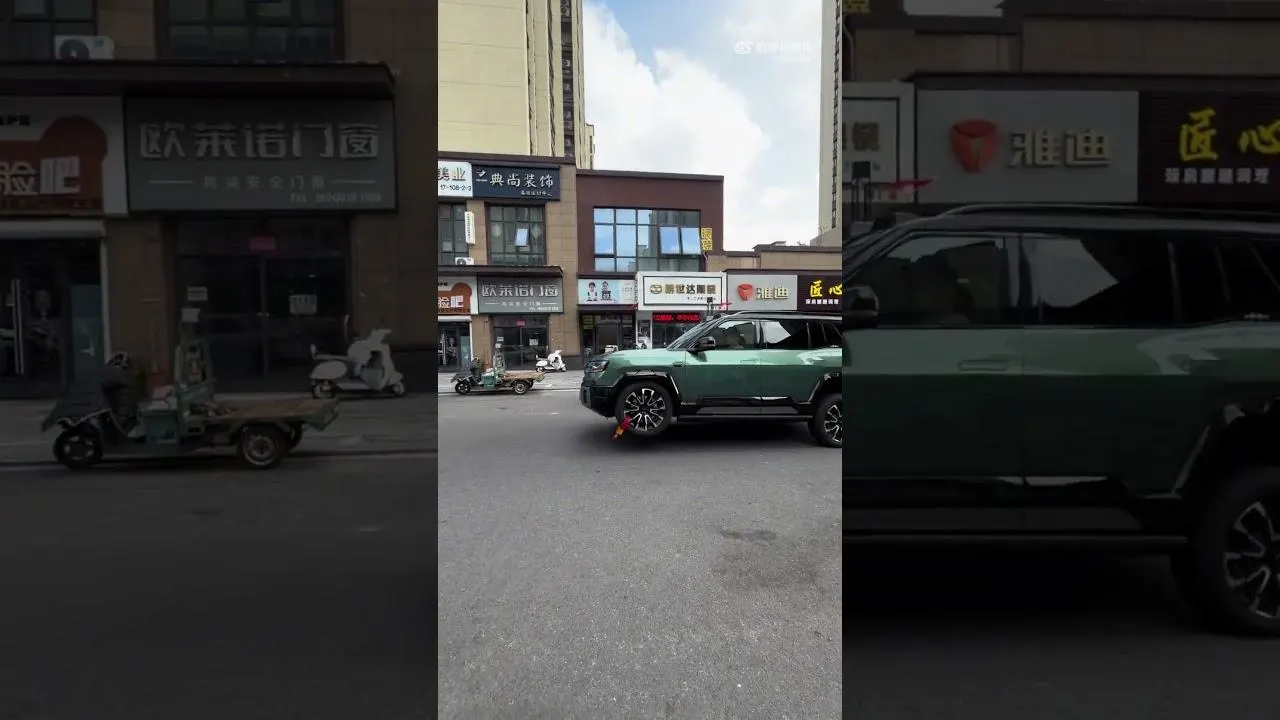
BYD Denza B8 Drives Off on Three Wheels With a Wheel Clamp On
Volkswagen admits EVs earn less than combustion cars