Spain's anti-abuse ankle bracelets: EU prosecutors probe the money
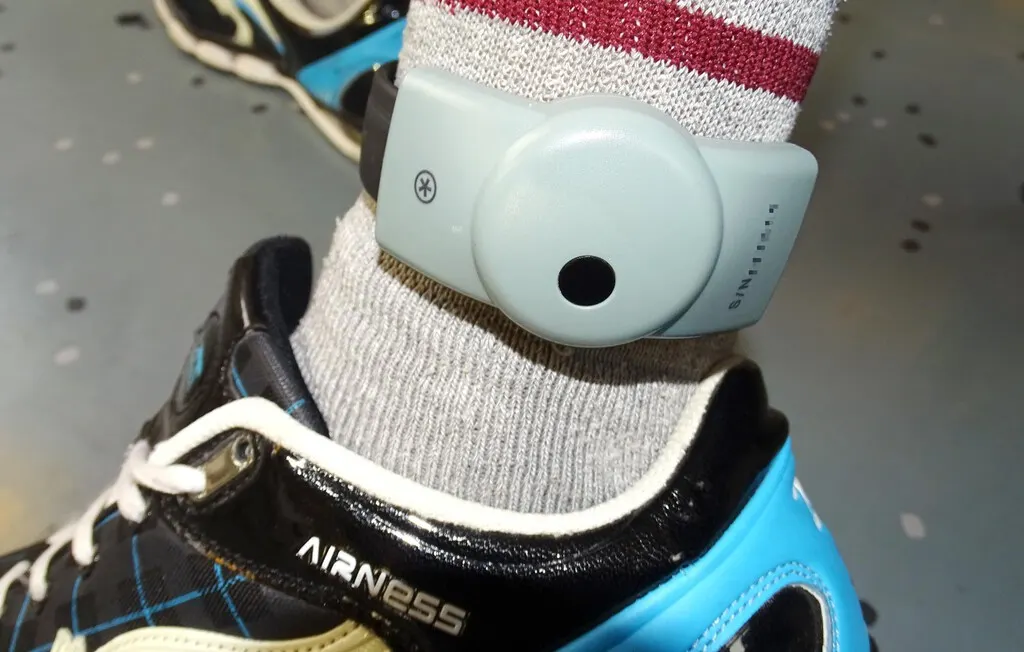
Spain's anti-abuse ankle bracelets already had GPS and network problems. Now Guardia Civil officers have raided two offices over suspected misuse of EU funds.
 SUMO· the number puzzle
 Dialo· learn languages by speaking
 ediviewer· read EDI files like documents
 giftdetect· the right gift in minutes
Spain's anti-abuse bracelets were supposed to protect women from violent partners. They have already had a rough few years on the technical side, and now the European Public Prosecutor's Office (EPPO) is looking at the money.
On Thursday, agents from the Guardia Civil's UCO unit went to the headquarters of Spain's Equality Ministry and the Court of Audit. They act as judicial police for the EPPO, which confirmed it is investigating suspected fraud in EU funds used to buy the devices. According to the EPPO, the investigation began in 2025. It has not said who is being investigated, how much money is involved or what officers were looking for at each site. Equality Minister Ana Redondo promised "absolute collaboration".
What are the anti-abuse bracelets?
They are electronic devices with a SIM card that raise an alert if the wearer breaks a restraining distance set by a judge. The Equality Ministry manages them. The money in question comes from the NextGenerationEU recovery plan: Spain paid 6.4 million euros of EU funds into a 42.6 million euro bracelet contract.
What has gone wrong before?
The list is long.
- Late 2023: the service moved from Telefónica to a joint venture of Vodafone and Securitas. During the switch, access to location histories of some offenders was lost for months, so several courts could not prove restraining orders had been broken.
- Faulty devices: battery leaks, imprecise GPS and bracelets transmitting over 2G/3G when the contract required 4G. Those older networks are being phased out.
- November 2025: the system was down for about 13 hours because of a router that distributes alert messages between platforms. The ministry fined Vodafone 25,285 euros.
- September: the Court of Audit found "serious deficiencies" in how the 2018, 2021 and 2023 contracts, worth 102.6 million euros in total, were awarded and monitored. None had a transition plan between providers.
What we still don't know
The operation is under seal. It is unclear whether the suspected fraud concerns the gap between what was paid and what was delivered, how the spending was justified to Brussels, or something else. The raids come the day before the election campaign starts, but the probe predates that. Until the secrecy is lifted, the bracelets' problem is no longer only a technical one.
Apps worth a look
SUMO: the number puzzleTap the right tiles, add them up, hit the target. Easy to learn, hard to master. Free, for all ages.
Dialo: learn languages by speakingTalk to an AI conversation partner; every sentence comes back corrected and explained in your language. 9 languages, A1 to C2.
ediviewer: read EDI files like documentsOpen EDIFACT and X12 messages, see every segment explained, convert to JSON/XML, export PDF and Excel. Runs locally, no upload.
giftdetect: the right gift in minutesPick who it is for, the occasion and their personality. The search engine reads product descriptions from local shops and ranks what fits. Free, no sign-up.
More from this day
See all →
Jensen Huang resigns as Nvidia CEO; Colette Kress steps in as interim

Windows WinSxS folder: the DISM command that frees up to 10 GB

Magnetic tape is back: Fujifilm to make 5x more LTO tape for AI
GPU Taskman shows which process is eating your VRAM
More in: Other
See all →
Foncier Innovant: France's AI tool that spots your garden shed
Can you still refuse a Linky meter? What the EU ruling means

Orihime robot watches an election in Tokyo's Shinagawa ward