Magnetic tape is back: Fujifilm to make 5x more LTO tape for AI
The technology behind old VHS cassettes is growing again. Fujifilm will invest about 10 billion yen to multiply its data tape output by five, driven by AI.
 SUMO· the number puzzle
 Dialo· learn languages by speaking
 ediviewer· read EDI files like documents
 giftdetect· the right gift in minutes
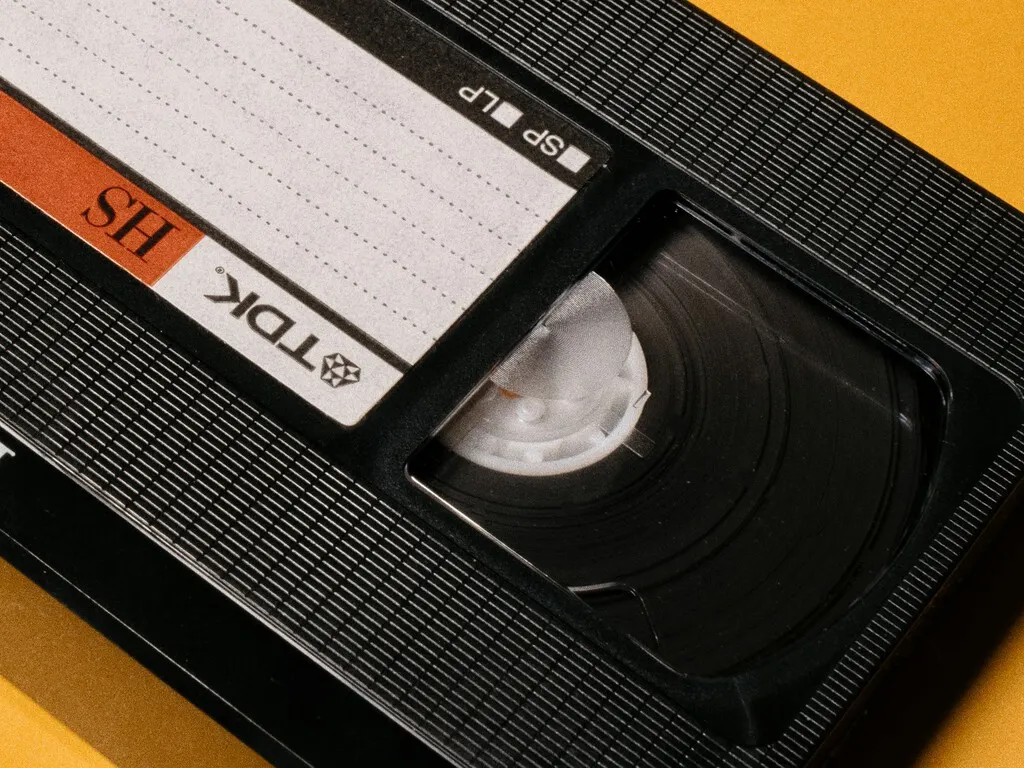
Magnetic tape, the same basic idea as your old VHS cassettes, is having a comeback. The reason is artificial intelligence, which produces and needs to store far more data than anyone planned for.
Fujifilm has announced an investment of about 10 billion yen (roughly 57 million euros) to multiply its production capacity for data storage tape by five by fiscal year 2028. Don't expect tapes for the living room. These are professional cartridges, and according to the company their use is growing mainly among big cloud providers and data centre operators. It is the largest investment Fujifilm has ever made in facilities dedicated to LTO, and it will go mostly to the latest generation.
What is LTO tape?
LTO (Linear Tape-Open) is the modern data tape format. The principle is a cousin of VHS and audio cassettes: information is written as magnetic states on a layer of particles bonded to a very long tape. Fujifilm, which has worked with magnetic tape since 1954 and says it holds the largest share of the world market, launched LTO Ultrium 10 in 2025 with very fine hybrid magnetic particles. Since January 2026 it has sold a version that reaches 40 terabytes uncompressed.
Why does AI need tape?
Training and running large models means piling up enormous amounts of data. Keeping all of it on hard drives means keeping many machines powered and cooled, because drives draw electricity continuously, according to tape library maker Spectra Logic. A cartridge can be pulled out once written and parked in an automated library, where it needs no power to keep the data.
Fujifilm also argues tape is cheap for large volumes kept a long time. And a cartridge physically separated from the network creates an "air gap", which the company says helps protect data from threats such as ransomware.
The old rewind problem
Tape still has the flaw anyone who used a VHS remembers. It is sequential: to reach a piece of data, the tape has to run to the spot where it was recorded. A hard drive reaches files in milliseconds. So nobody will run Windows or open daily documents from a cartridge. For data you keep for years and rarely read, though, it fits.
VHS is not coming back. But AI has ended up leaning on a format with decades behind it.
Apps worth a look
SUMO: the number puzzleTap the right tiles, add them up, hit the target. Easy to learn, hard to master. Free, for all ages.
Dialo: learn languages by speakingTalk to an AI conversation partner; every sentence comes back corrected and explained in your language. 9 languages, A1 to C2.
ediviewer: read EDI files like documentsOpen EDIFACT and X12 messages, see every segment explained, convert to JSON/XML, export PDF and Excel. Runs locally, no upload.
giftdetect: the right gift in minutesPick who it is for, the occasion and their personality. The search engine reads product descriptions from local shops and ranks what fits. Free, no sign-up.
More from this day
See all →
Windows WinSxS folder: the DISM command that frees up to 10 GB
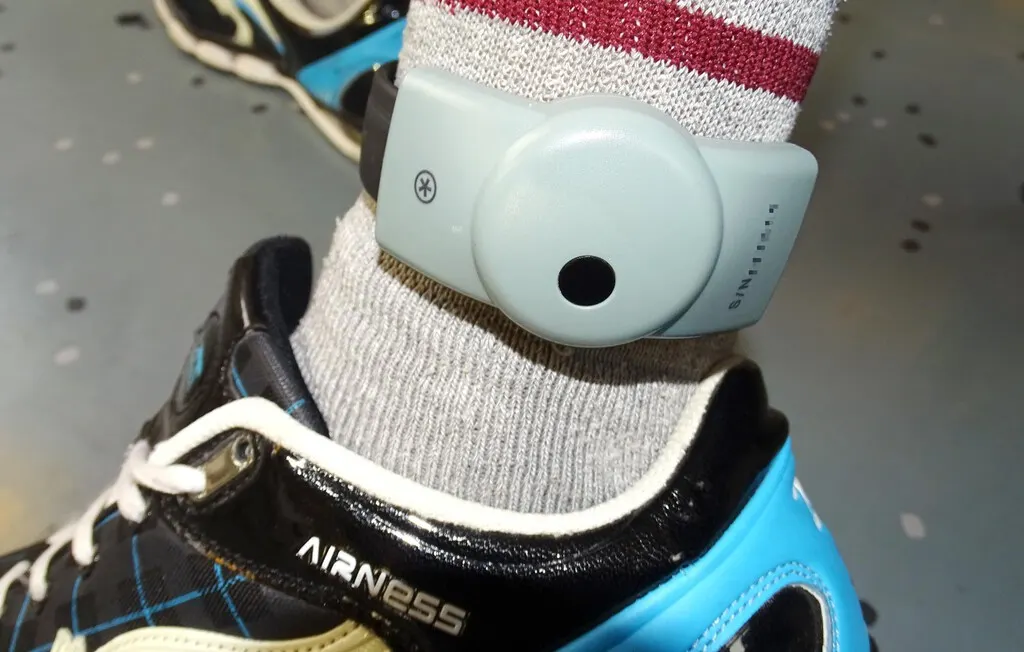
Spain's anti-abuse ankle bracelets: EU prosecutors probe the money
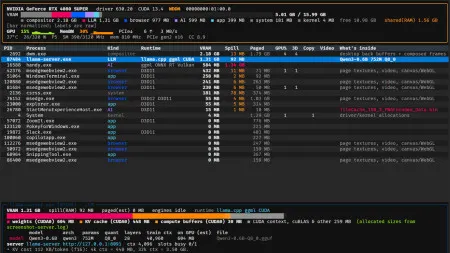
GPU Taskman shows which process is eating your VRAM