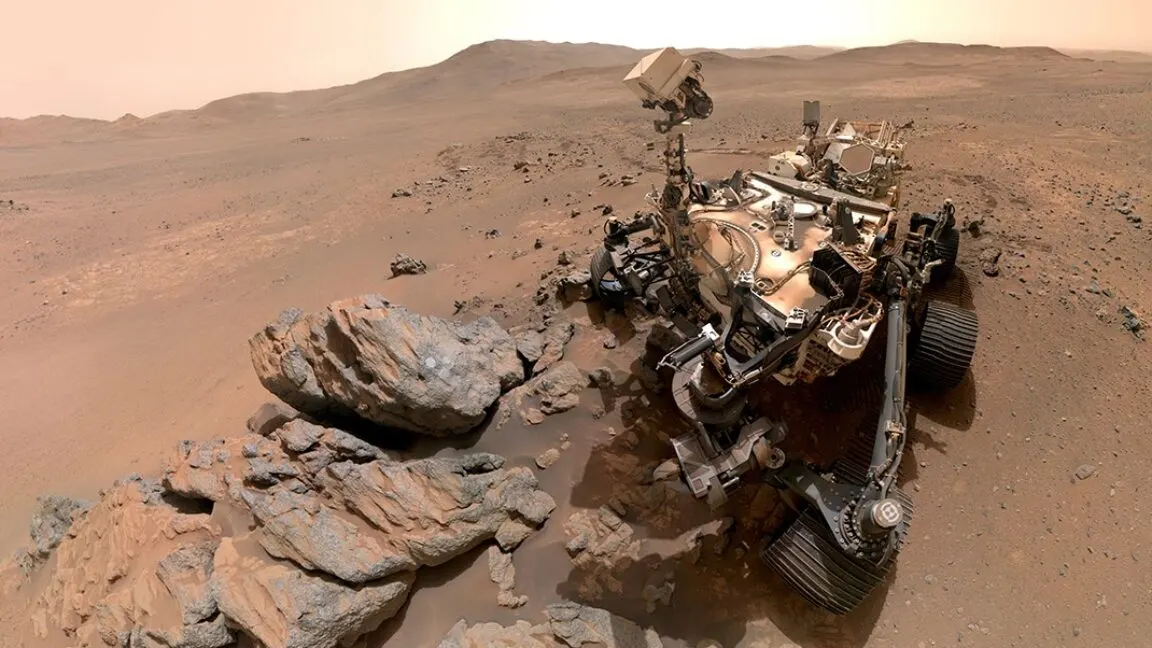
SpaceX Starmind: FCC OKs up to 1 million data-center satellites
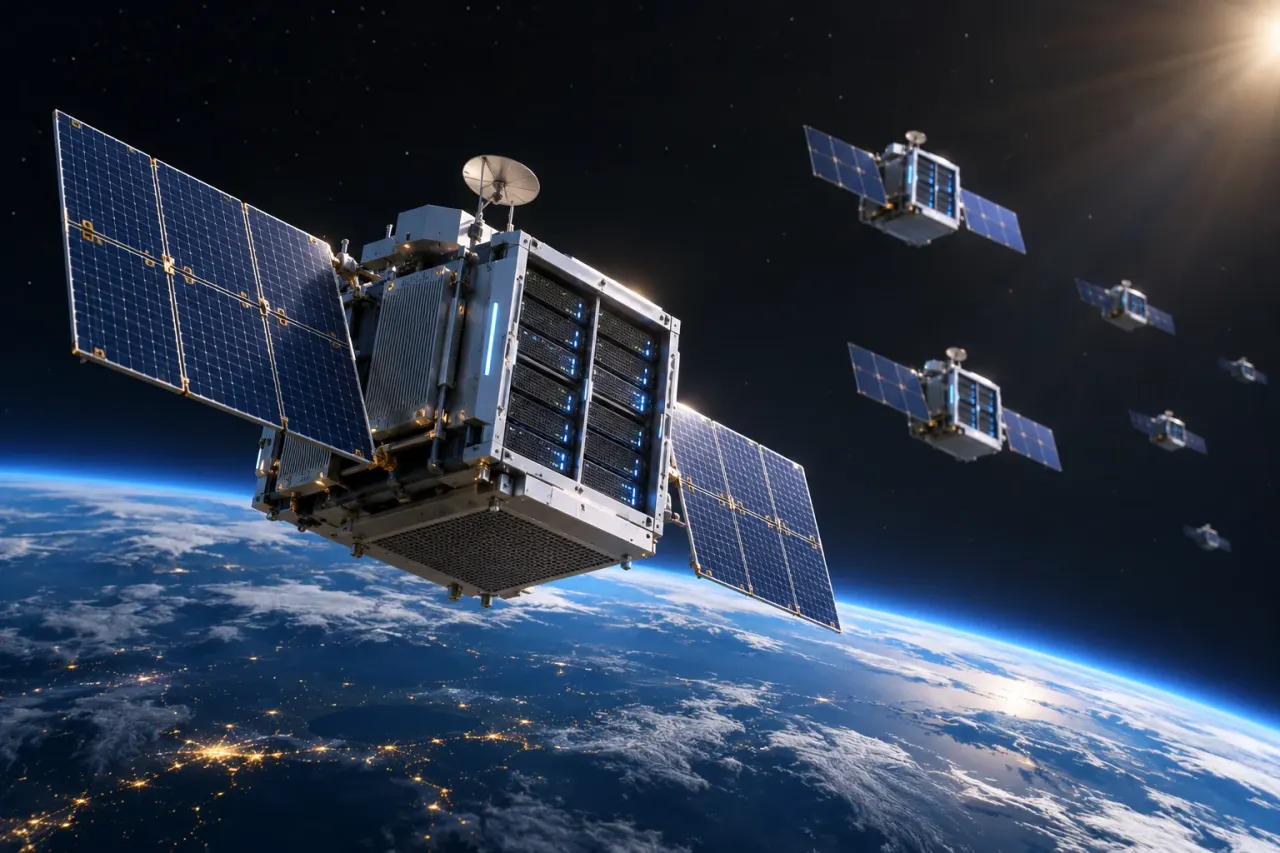
The FCC has conditionally approved SpaceX's Starmind plan for up to a million satellites that would process AI data in orbit. The first one is due by 2033.
 SUMO· the number puzzle
 Dialo· learn languages by speaking
 ediviewer· read EDI files like documents
 giftdetect· the right gift in minutes
SpaceX has permission to build a data-center network in orbit, at least on paper. The US Federal Communications Commission (FCC) has granted the company a conditional licence for up to one million satellites under a project called Starmind, which would run AI computing in space and send the results down to Earth.
According to the FCC's statement, it is the first US licence for a satellite constellation meant to work as orbital data centers. SpaceX applied in January.
What is SpaceX Starmind?
The idea is to fit satellites with computing units powered by solar panels. Data gets processed in orbit, and the results travel to the ground over laser links that connect the satellites to SpaceX's Starlink network. SpaceX argues that sunlight in orbit could get around some of the power limits that data centers on Earth run into.
What are the conditions?
The licence covers orbits between 500 and 1,002 kilometres up. Before launching any satellite that will operate above 600 kilometres, SpaceX must apply for a modification with a final plan for limiting space debris. The FCC also put off a decision on SpaceX's request to move some retired satellites to disposal orbits instead of bringing them back into the atmosphere.
The deadlines are staged. SpaceX needs at least one satellite up by November 2033, then 100,000 by November 2035, half the authorised number by November 2038, and the full million by November 2040. Miss them and the licence can become void.
The FCC also allowed backup radio links for telemetry, tracking and emergency control, as long as they cause no harmful interference with other systems.
Does approval mean it will work?
No. The licence does not prove the project is economically or technically feasible at this scale. SpaceX would have to build and launch huge numbers of satellites and manage collision and debris risks. According to Reuters, rival companies have objected to the size of the proposed constellation, and the FCC is still reviewing other applications for data centers in space.
Apps worth a look
SUMO: the number puzzleTap the right tiles, add them up, hit the target. Easy to learn, hard to master. Free, for all ages.
Dialo: learn languages by speakingTalk to an AI conversation partner; every sentence comes back corrected and explained in your language. 9 languages, A1 to C2.
ediviewer: read EDI files like documentsOpen EDIFACT and X12 messages, see every segment explained, convert to JSON/XML, export PDF and Excel. Runs locally, no upload.
giftdetect: the right gift in minutesPick who it is for, the occasion and their personality. The search engine reads product descriptions from local shops and ranks what fits. Free, no sign-up.
More from this day
See all →



More in: Space
See all →
Amazon Leo passes 400 satellites a week after losing 40
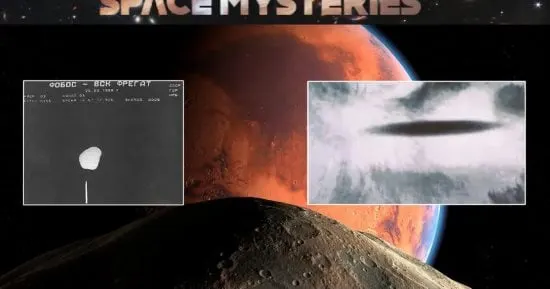
Phobos 2 last photo: the cigar-shaped shadow near Mars, explained
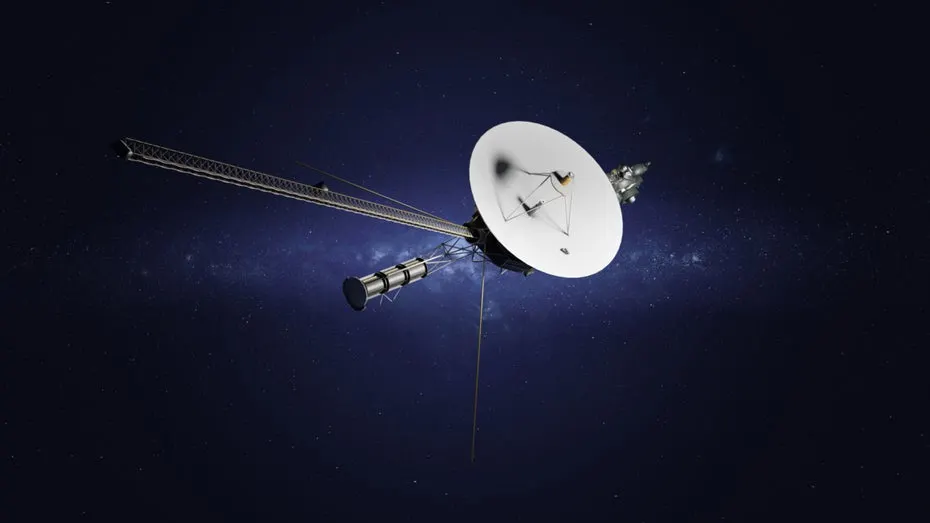
Voyager 1 stops sending data just as it hits one light-day away