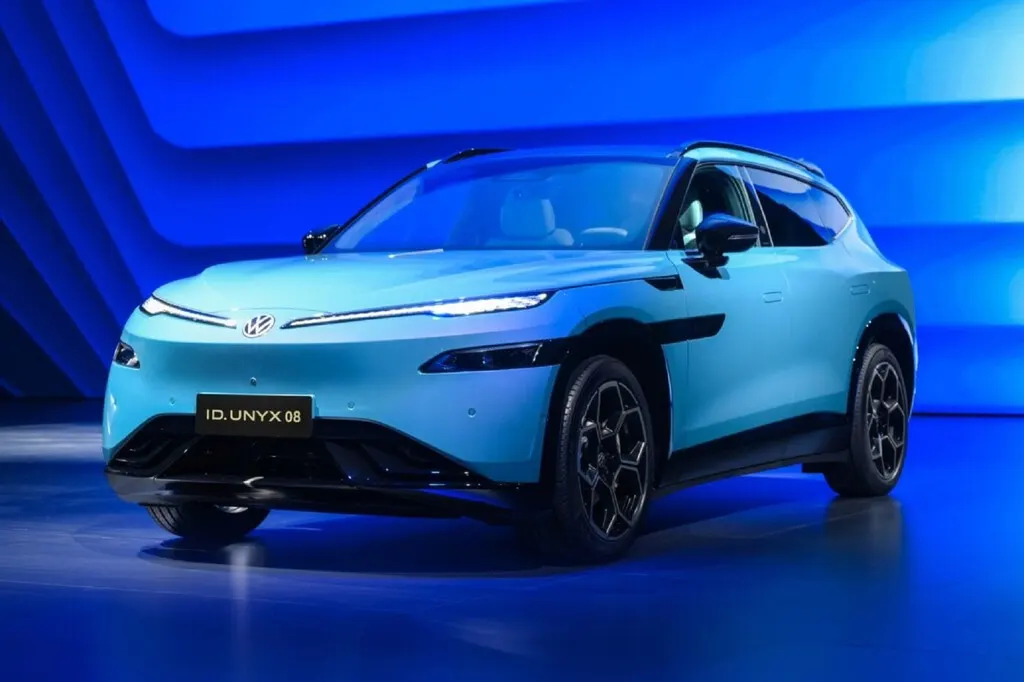
South Korea Has Just 796 Chargers of 350 kW or More for 800V EVs
Carmakers push 10-minute-class charging for 800V EVs, yet only 796 chargers of 350 kW or more exist in South Korea, 1.41% of all fast chargers.
 SUMO· the number puzzle
 Dialo· learn languages by speaking
 ediviewer· read EDI files like documents
 giftdetect· the right gift in minutes
Automakers in South Korea are promoting charging times of roughly 18 to 22 minutes for their new 800V electric vehicles, but the infrastructure to deliver it is thin. Only 796 chargers rated at 350 kW or higher are installed nationwide, just 1.41% of all fast-charging equipment, according to the Ministry of Climate, Energy and Environment and the zero-emission vehicle portal.
Impressive totals, small top tier
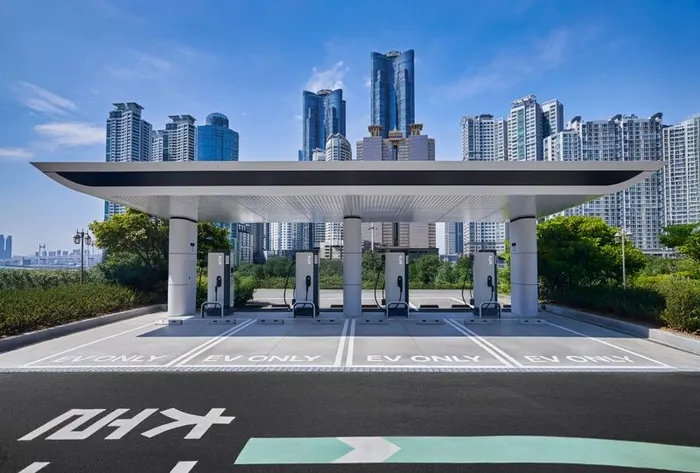
South Korea has 543,037 EV chargers in total, of which 56,599 are fast chargers of 50 kW or more. Under the government's classification, 13,188 units (23.3% of fast chargers) are rated 200 kW or above, which makes high-output charging look widespread. But vehicles built on Hyundai and Kia's E-GMP platform, along with 800V models from Porsche, Audi and BMW, can only reach their designed peak power of 230 to 320 kW or more on 350 kW-class units. Those number 641 at 350 kW, 21 at 360 kW and 134 at 400 kW.
By site, just 251 of about 14,000 fast-charging stations, or 1.79%, have such a charger. More than 70% of them are at highway rest areas, so they are of little use for daily urban driving. A ministry official confirmed that nearly all are concentrated at rest stops.
Why cities lag
Running several 350 kW chargers requires large high-voltage power intake and liquid-cooled cables. Older commercial buildings and residential areas in cities have saturated grid capacity, and grid connection costs are heavy.
Ordinary urban fast chargers fall short too. Most 200 kW units limit current to 200 to 250 A to prevent cable overheating, so an 800V car receives only 140 to 175 kW in practice. With dynamic load balancing, where one unit charges two cars, output drops to 100 to 150 kW, and reaching 80% can take 30 to 40 minutes.
Carmakers say 800V systems improve efficiency, reduce wiring weight and help thermal management, but argue that marketing without matching infrastructure breeds consumer distrust. Kim Pil-soo, a professor at Daelim University, said 10-minute charging claims without urban ultra-fast infrastructure only deepen distrust, and called on the government to design new support that eases high-cost and grid regulations.
Apps worth a look
SUMO: the number puzzleTap the right tiles, add them up, hit the target. Easy to learn, hard to master. Free, for all ages.
Dialo: learn languages by speakingTalk to an AI conversation partner; every sentence comes back corrected and explained in your language. 9 languages, A1 to C2.
ediviewer: read EDI files like documentsOpen EDIFACT and X12 messages, see every segment explained, convert to JSON/XML, export PDF and Excel. Runs locally, no upload.
giftdetect: the right gift in minutesPick who it is for, the occasion and their personality. The search engine reads product descriptions from local shops and ranks what fits. Free, no sign-up.
More from this day
See all →
Orange launches Orange France super-app with AI aggregator

Dongwon F&B's AI Shopping Assistant Lifts Conversion 10.8x

Korean Appliance Suppliers Bring AI to Press, Assembly and Logistics

SoftBank, Grab and PETROS Commit $1 Billion to Sarawak AI Hub
More in: Automotive
See all →
Mercedes sells its European fast-charging network to Electra
ZF High Revolution Drive: 30,000 rpm E-Motor Cuts Size and Weight

Tesla to End Cybertruck Production in Texas by Mid-2027