Smart Thermostats: Local Heating Control Without Cloud or Subscriptions
Many smart thermostat makers force their own app and charge monthly fees for extras. Heating schedules can instead be set up yourself and run locally, without the cloud.
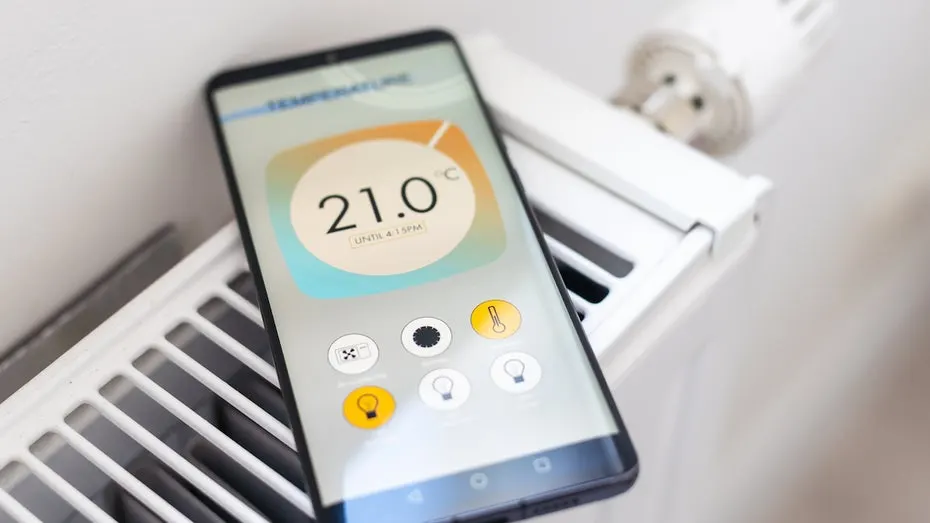
Smart thermostats don't have to tie households to a manufacturer's cloud. As the heating season gets under way, owners can set up smart heating schedules themselves and run them locally, without cloud dependence and without a subscription.
Apps and fees push up the cost
Many makers of smart thermostats make their own app mandatory: without it, the devices can't be controlled. Some go further. On top of the one-off purchase price, they ask for a monthly subscription before customers may use advanced features such as geofencing, which reacts to where residents are, or open-window detection.
For a single radiator, that may look harmless. Across a whole house or flat, with a thermostat in every room, the costs can climb quickly, both for the hardware and for the recurring fees attached to it.
Why local control appeals
The local approach takes the manufacturer's app and account out of the equation. Heating plans are defined and executed by the household itself rather than by a vendor's service. That means no forced app, no monthly charge for basic convenience and less reliance on a company continuing to offer its cloud on the same terms.
For buyers, the practical lesson is to check before purchase which functions a thermostat only delivers through the vendor's app or a paid plan. Features that are advertised on the box can turn out to be locked behind a subscription later.
The trend is clear: the more heating control moves into vendor-run services, the more attractive self-managed, local setups become for people who want predictable costs through the winter.
More from this day
See all →
OpenAI Claims Its AI Refuted Exponential Time Hypothesis
CrowdStrike: Four Hacker Groups Ran Attacks With Claude Code

Stellantis Recovers in Europe, but Its Turnaround Will Be Slow

Debt financing gains ground among Southeast Asia and India tech firms
More in: Hardware
See all →
Arlo Essential 3 2K PTZ Indoor: first motorized Arlo camera tested
Microduck and Rivals: Cheap Robots Lower the Physical AI Bar
HomePod Lock Controls Setting Aims to Stop Cats Starting Music