Microduck and Rivals: Cheap Robots Lower the Physical AI Bar
Pollen Robotics' $399 Microduck is one of several low-cost robots opening physical AI development to individual developers and research labs.
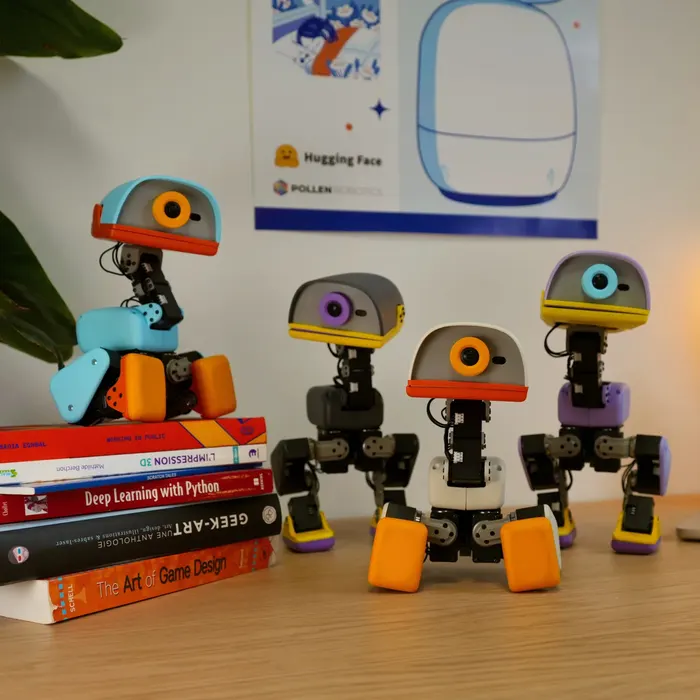
Pollen Robotics' Microduck, a small bipedal robot taking pre-orders at $399 (about 53万 won), is leading a wave of inexpensive machines that are lowering the entry barrier to physical AI. While high-end humanoids cost from tens of millions to hundreds of millions of won, these new products target individual developers and researchers.
What Microduck offers
Microduck stands 25 cm tall, weighs less than 800 g and uses 15 motors to walk and sit. It drew attention after Nvidia CEO Jensen Huang demonstrated it in person. It is not a toy but an AI learning platform: developers can train new movements through reinforcement learning in a virtual environment and then transfer them to the real robot. Korea's Robotis has announced plans to cooperate with Pollen Robotics on supplying small actuators.
Pollen's earlier desktop robot, Reachy Mini, also starts at $399. Where Microduck focuses on walking and motion, Reachy Mini is aimed at developing AI for voice recognition and conversation.
How prices came down
The lower prices rest on technology from open-source AI company Hugging Face, which acquired Pollen Robotics last year, along with small actuators and off-the-shelf parts. AI training is run on external computers, which keeps the robot's own hardware costs down.
Others are following. US-based Petoi sells the quadruped Bittle X from $319, and China's Hiwonder offers the small humanoid TonyPi from about $600, supporting walking and image recognition. In robot arms, the SO-101, which works with Hugging Face's open-source LeRobot platform, can be built from $100 in basic parts and is used to teach AI object manipulation.
These products are not meant to replace high-performance humanoids. They serve as platforms where individuals and institutes train AI models and test them on real hardware. Hugging Face CEO Clément Delangue, who co-developed Microduck with Pollen, said the era of popularizing physical AI and world models through affordable open-source robots has arrived. Participation in physical AI development is expected to broaden as costs fall.
More from this day
See all →
Meta Smart Glasses Face Senate Scrutiny Over Privacy Risks

Wikimedia Weighs In on New York Times Lawsuit Against OpenAI

German Physicists Film Electrons Moving in Graphene in Real Time

Samsung Intelligent Eyewear Smart Glasses Reportedly Launch in December
More in: Hardware
See all →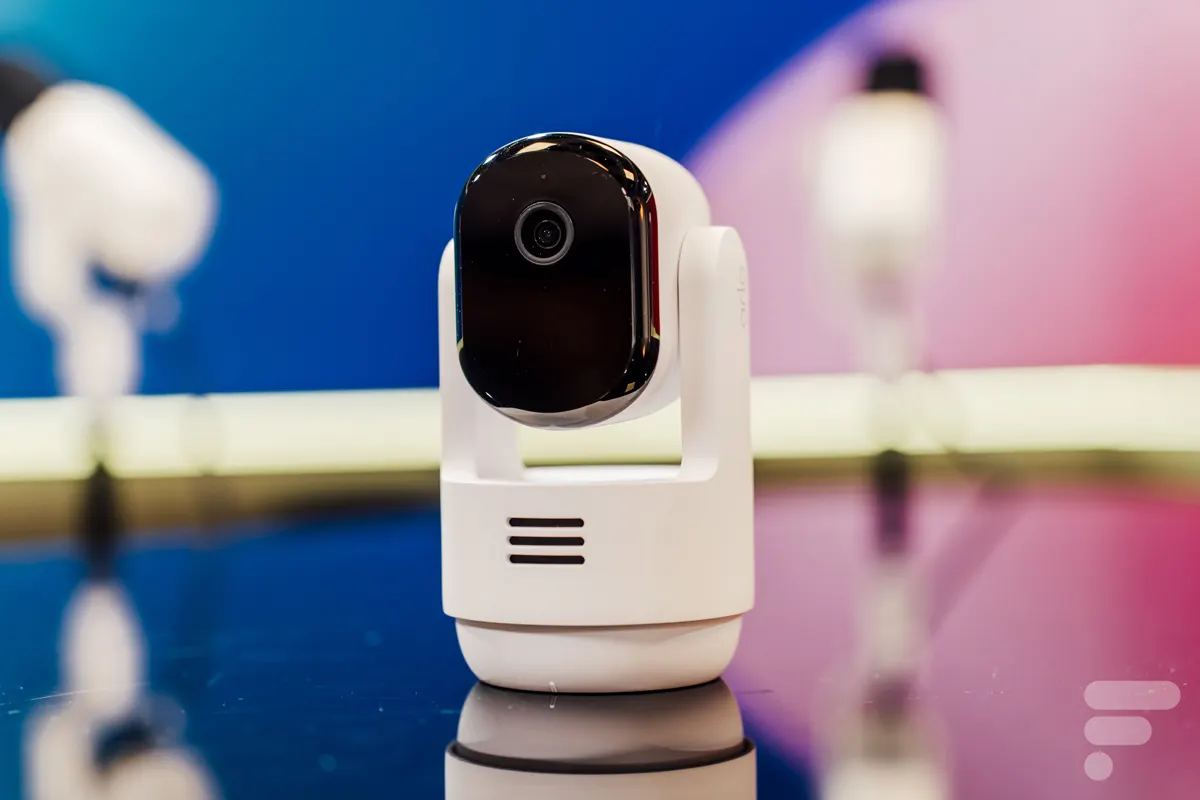
Arlo Essential 3 2K PTZ Indoor: first motorized Arlo camera tested
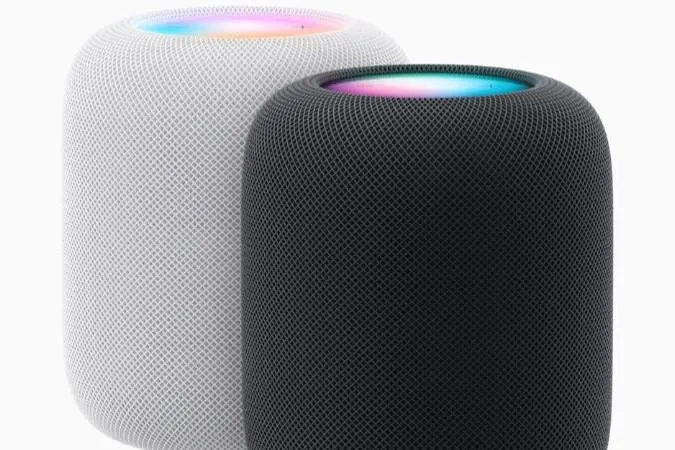
HomePod Lock Controls Setting Aims to Stop Cats Starting Music
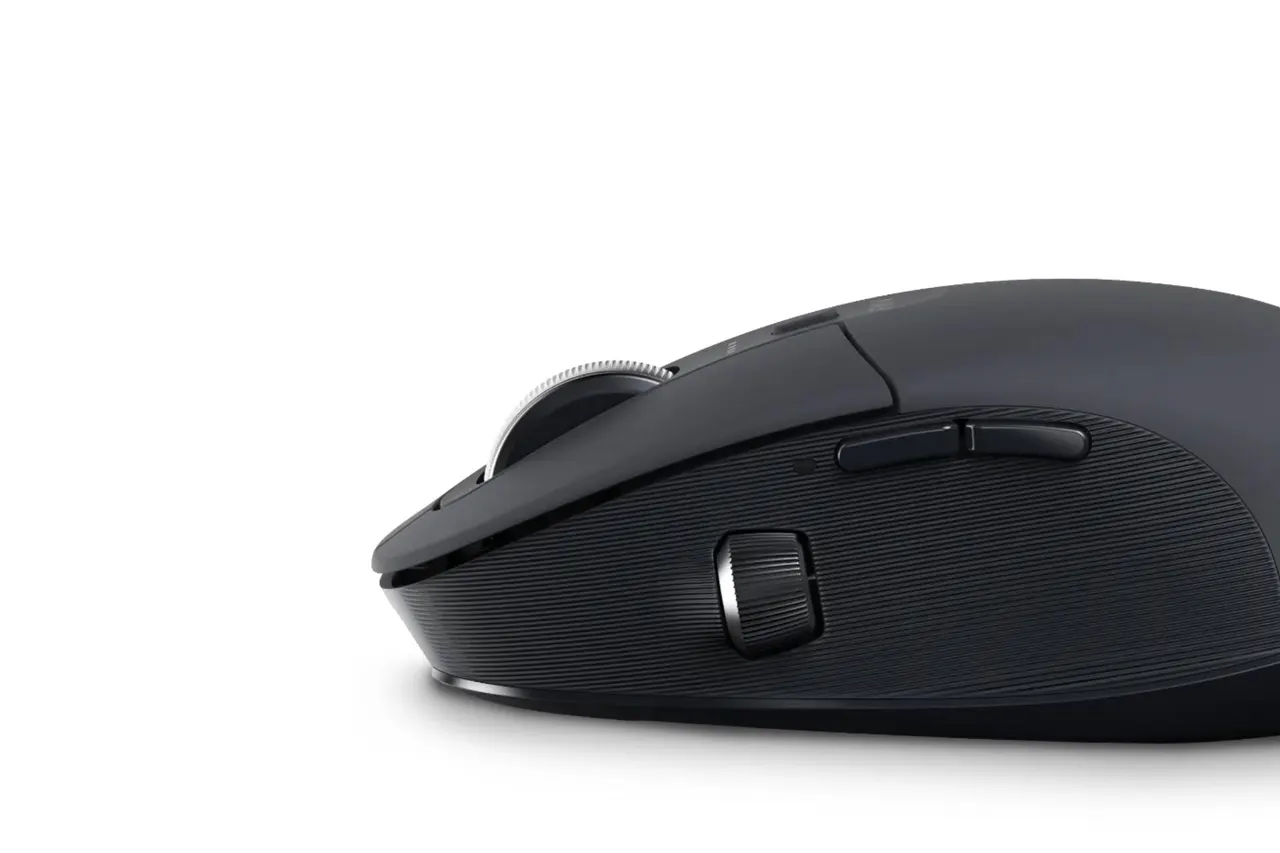
FCCL FMV Mouse X Puts a Side Scroll Wheel Right Under Your Thumb