Meta Smart Glasses Face Senate Scrutiny Over Privacy Risks
Senators Ron Wyden and Edward Markey have demanded answers from Mark Zuckerberg on the privacy risks of Meta's camera-equipped AI glasses, with a November 25 deadline.
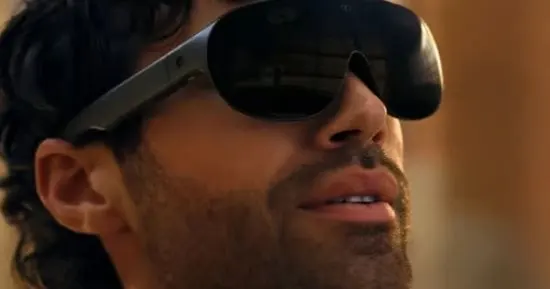
Meta is under fresh pressure over the privacy implications of its camera-equipped, AI-enabled smart glasses. US Senators Ron Wyden and Edward Markey sent a sharply worded letter to CEO Mark Zuckerberg demanding clear answers about the risks the devices pose.
The senators accuse the company of launching a product that could endanger the privacy of both users and the people around them. They argue Meta was aware of concerns about vulnerable groups, such as women and children, before the first versions of the glasses reached the market.
Questions on recordings and AI training
The letter focuses on who can access video recordings, how that data is used to train AI systems, and whether the glasses' built-in safeguards can be bypassed. Lawmakers also want Meta to explain how individuals can delete their data or recordings, particularly given fears that people may be filmed without their knowledge and that private footage may be shared with third parties.
The concerns are not limited to the United States. Several countries and institutions have started restricting camera-equipped smart glasses in certain public and private spaces. Norway is preparing new restrictions, Oslo has previously banned their use in schools, and courts and institutions in other countries have taken similar steps.
Meta's safeguards under question
To address the criticism, Meta added protections that block recording when someone tampers with the camera's indicator light. Critics say that may not be enough, since the harm to privacy can occur the moment personal content is recorded and shared without the consent of those filmed.
The senators have given Meta until November 25 to respond. The reply could shape the debate over where the limits should lie for cameras and AI in everyday life, as wearable devices become more common in public spaces.
More from this day
See all →
Lenin's Rolls-Royce Held Up by a Moscow Gangster in 1919

Hope: Na Hong-jin's $74M Alien Thriller Opens in Spain

AliExpress 11.11: Phones From Spain Drop to €176 With Coupons

Best City E-Bikes 2026: Mapfour Roam Wins Test, Engwe P275 SE Value Pick
More in: Security
See all →
KPMG Audit Links Capillary's €3 Mn Fraud to External Scam

Google Removes eMudhra Root Certificate After Weak-Key Flaw
Tor Browser 16.0 Adds Native ARM Support on Linux