Tor Browser 16.0 Adds Native ARM Support on Linux
Tor Browser 16.0 brings native AArch64 builds for Linux, a rebuilt settings page and generic window titles, and moves to Firefox 153 ESR.
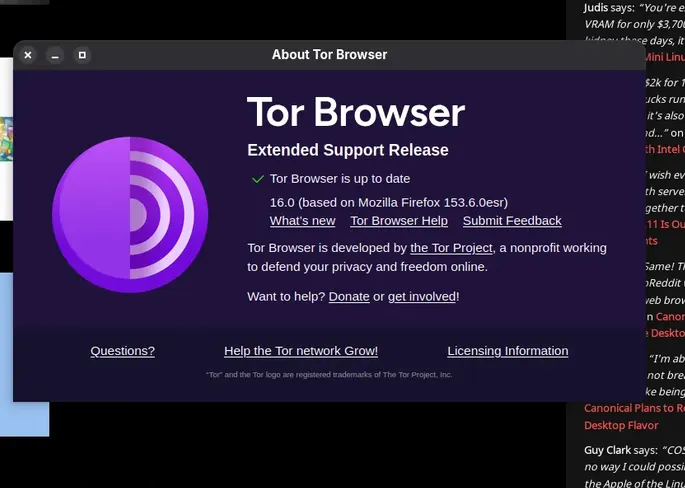
The Tor Project has released Tor Browser 16.0, the free, open-source and cross-platform privacy browser, at the end of October 2026. The headline change is native support for 64-bit ARM systems (AArch64) on Linux, which covers devices such as the Raspberry Pi and Apple Silicon computers. The release arrives a year after version 15.0 and moves the project to the Firefox 153 ESR branch.
Redesigned settings and new manual
The settings page has been completely reworked to match the update that appeared in Firefox 153. It has a cleaner layout, better navigation and clearer names and descriptions for options. The old General section is gone, and its contents are now spread across Appearance, Downloads, Tabs and Browsing, Accessibility and Languages.
Tor-specific sections, Connection and Security Level, were rebuilt using new Firefox components so they fit in with the rest of the page. The developers say all user settings will be preserved, even where options have been moved or changed.
The built-in user manual, available at about:manual or through the Help menu, was also rewritten. It now draws on material from the Tor Project's new support portal, so the team no longer has to maintain a separate set of documentation.
Generic window titles and Android changes
A new option under Privacy and Security > Protection from third-party apps replaces every window title with "Tor Browser". That stops other applications or the operating system from learning which pages a user is viewing.
On Android, Tor Browser 16.0 moves to Jetpack Compose. A large part of the interface now follows Material Design 3, and further improvements are planned for upcoming releases. By compressing some bundled resources, the team also kept the APK within Google Play's 100 MB limit.
The browser sends all traffic through the Tor network only and cannot connect directly through the system's normal network. The project notes that if the browser were compromised, attackers could reach the system's network settings, so users who need to rule out leaks completely should consider tools such as Whonix. Builds are available for Linux, Android, Windows and macOS.
More from this day
See all →
Google Removes eMudhra Root Certificate After Weak-Key Flaw

FuriosaAI, NeuroXess and Mave lead this week's startup funding
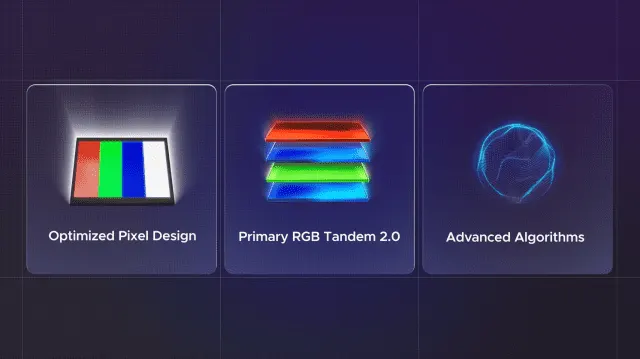
LG Display Takes Sole Ownership of 9 US OLED Patents From LT Materials