Seismometers can detect aircraft sonic booms, not just quakes
Instruments built to listen for earthquakes can also pick up the sonic booms of supersonic aircraft, which could help set noise rules for future jets.

 SUMO· the number puzzle
 Dialo· learn languages by speaking
 ediviewer· read EDI files like documents
 giftdetect· the right gift in minutes
Seismometers are built to feel the ground shake during earthquakes. It turns out they can also pick up the sonic booms of aircraft flying faster than sound.
That matters because civil supersonic flight is meant to return. Before such planes can carry passengers again, regulators need to know how loud their booms actually are on the ground. Noise standards need real measurements behind them, and sonic booms have to be measured to get there.
What is a sonic boom?
A sonic boom is the loud thump people on the ground hear when an aircraft travels faster than the speed of sound. It is a pressure wave, and that wave can also nudge the ground slightly. That is the part a seismometer is able to register.
Why use earthquake sensors?
Seismometers already exist in large numbers and are designed to record faint movements of the ground. Using them to detect sonic booms offers a way to measure the noise from supersonic flights without building a dedicated system first. The details of the measurements were not available to us, so we can't say how precise the readings are or where they were taken.
What the finding does show is that a tool from a completely different field can help answer a very practical question for aviation: how loud is too loud for people living below a flight path.
Apps worth a look
SUMO: the number puzzleTap the right tiles, add them up, hit the target. Easy to learn, hard to master. Free, for all ages.
Dialo: learn languages by speakingTalk to an AI conversation partner; every sentence comes back corrected and explained in your language. 9 languages, A1 to C2.
ediviewer: read EDI files like documentsOpen EDIFACT and X12 messages, see every segment explained, convert to JSON/XML, export PDF and Excel. Runs locally, no upload.
giftdetect: the right gift in minutesPick who it is for, the occasion and their personality. The search engine reads product descriptions from local shops and ranks what fits. Free, no sign-up.
More from this day
See all →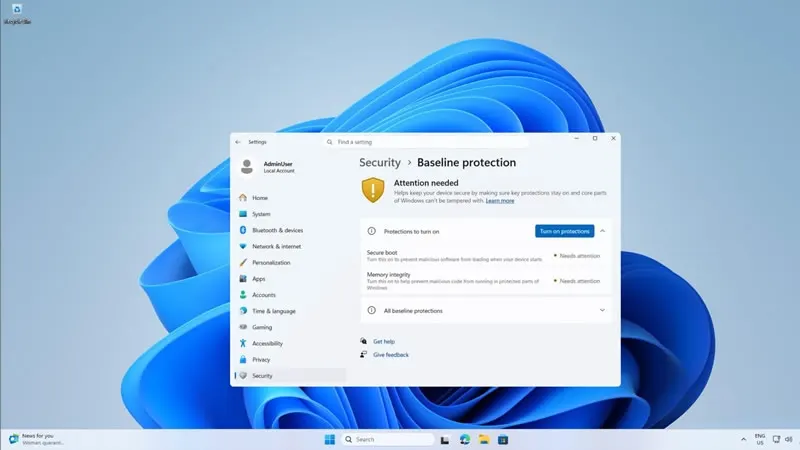
Windows Baseline Protection lets apps refuse to run on your PC
Office Partner and DHL Group data leak via service providers

Gemini privacy settings: opt out of AI training, keep history

Apple iCloud down: App Store, Music and sign-ins fail on Nov 17
More in: Science
See all →
Eagles killing 57-pound baboons in Chad surprise scientists
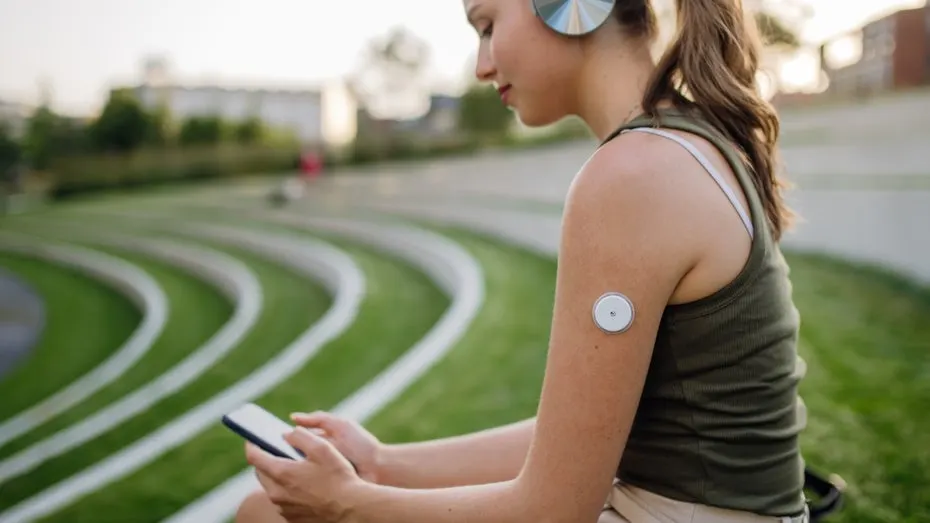
Dental floss sensor reads glucose and uric acid in 3 minutes

AI teaches a 5-tonne John Deere 332G to balance on two wheels