Dental floss sensor reads glucose and uric acid in 3 minutes
Researchers in Hong Kong built a floss-style stick that tests fluid from the gum line for glucose and uric acid. No finger prick needed, and results come in three minutes.
 SUMO· the number puzzle
 Dialo· learn languages by speaking
 ediviewer· read EDI files like documents
 giftdetect· the right gift in minutes
Checking your blood sugar usually means a needle in the fingertip or a sensor stuck to your skin. A team in Hong Kong has tried something else: a dental floss sensor that tests fluid from your gums.
Researchers at the Hong Kong University of Science and Technology (HKUST) and the University of Hong Kong built the device, called the Gingival Fluid Device (GFD). It is described in a study in Science Advances, led by chemical engineer Hnin Yin Yin Nyein. The stick collects tiny amounts of fluid from the groove between tooth and gum and analyses it electrochemically in the handle. After about three minutes it reports four values: glucose, uric acid, hydrogen peroxide and pH.
Why test gum fluid instead of saliva?
Saliva gets watered down by food, drinks and changing production. Gum fluid comes from blood serum, so it reflects both the body's metabolism and local inflammation in the mouth. That matters for people with diabetes, whose risk of gum disease is three times higher than average, according to the study. The link runs both ways, as high blood sugar damages the tissue holding teeth and inflamed gums make sugar harder to control.
The catch is volume: under 0.5 microlitres per site. Normal floss soaks it up and keeps it, while smooth PTFE (Teflon) threads repel it. So the team stretched two 0.1 mm PTFE threads side by side and coated them with a 10 micrometre layer of food-grade pectin. After about 20 seconds in the gum groove, the fluid forms a bridge between the threads. A pull mechanism in the disposable tip draws on average 95.5 percent of it into a hair-thin channel. Gold electrodes with enzymes do the measuring, and the results go by Bluetooth to a phone app.
How accurate is it?
In pilot trials with 34 people, 16 healthy and 18 with type 2 diabetes, high uric acid, gingivitis or periodontitis, readings matched finger-prick blood with a correlation of 0.89 for glucose and 0.78 for uric acid. The device placed 20 of 24 people (83.3 percent) in the right diagnostic group. Inflamed, bleeding gum sites showed about 2.6 times more hydrogen peroxide than healthy ones.
It is still a prototype, though. In three of the four sub-studies, a trained professional inserted the floss rather than the participants themselves, so home use is some way off.
Apps worth a look
SUMO: the number puzzleTap the right tiles, add them up, hit the target. Easy to learn, hard to master. Free, for all ages.
Dialo: learn languages by speakingTalk to an AI conversation partner; every sentence comes back corrected and explained in your language. 9 languages, A1 to C2.
ediviewer: read EDI files like documentsOpen EDIFACT and X12 messages, see every segment explained, convert to JSON/XML, export PDF and Excel. Runs locally, no upload.
giftdetect: the right gift in minutesPick who it is for, the occasion and their personality. The search engine reads product descriptions from local shops and ranks what fits. Free, no sign-up.
More from this day
See all →

More in: Science
See all →
AI teaches a 5-tonne John Deere 332G to balance on two wheels

Great Unconformity: why Earth is missing a billion years of rock
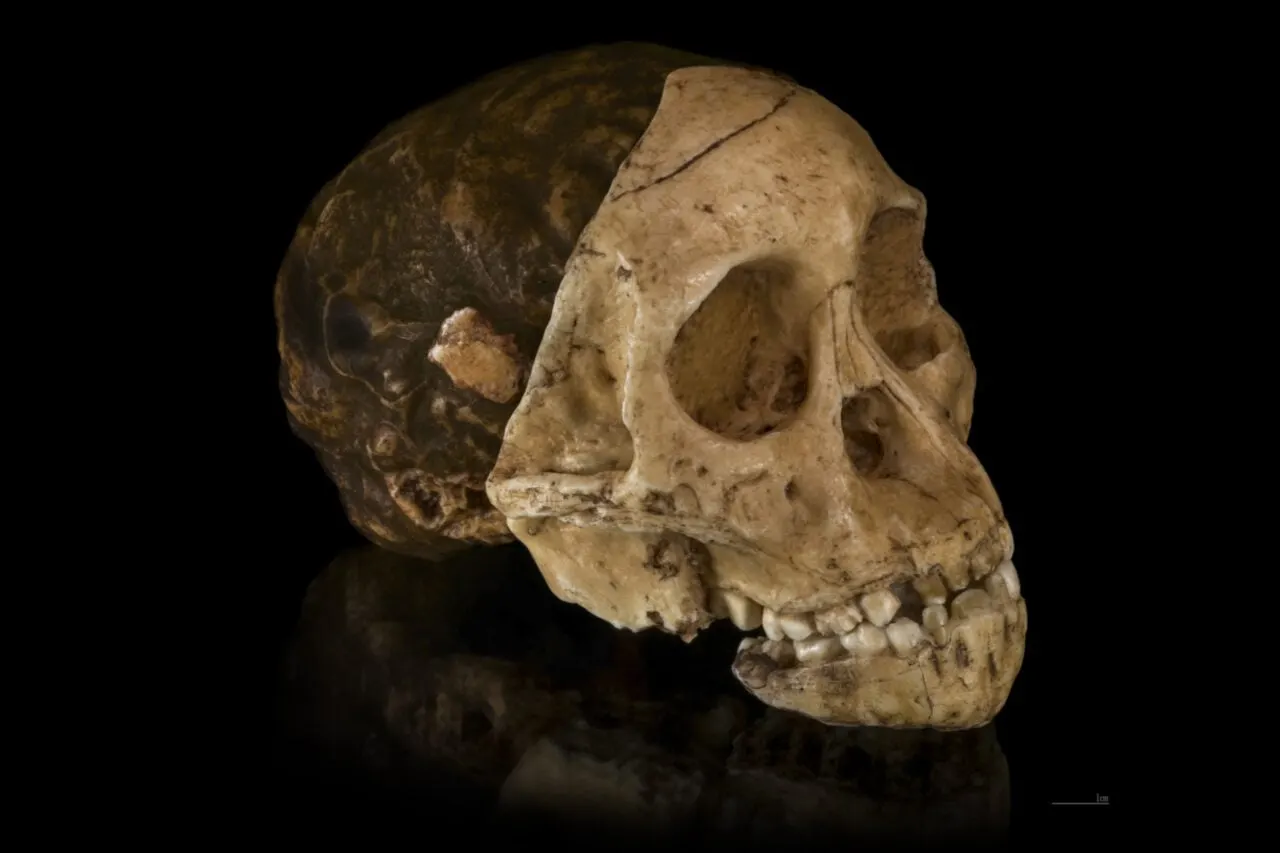
Taung Child skull redated to 3 million years, and it upends the family tree