Great Unconformity: why Earth is missing a billion years of rock
In the Grand Canyon, rocks hundreds of millions of years apart sit directly on top of each other. A new Nature study blames slow movements deep in the mantle.
 SUMO· the number puzzle
 Dialo· learn languages by speaking
 ediviewer· read EDI files like documents
 giftdetect· the right gift in minutes
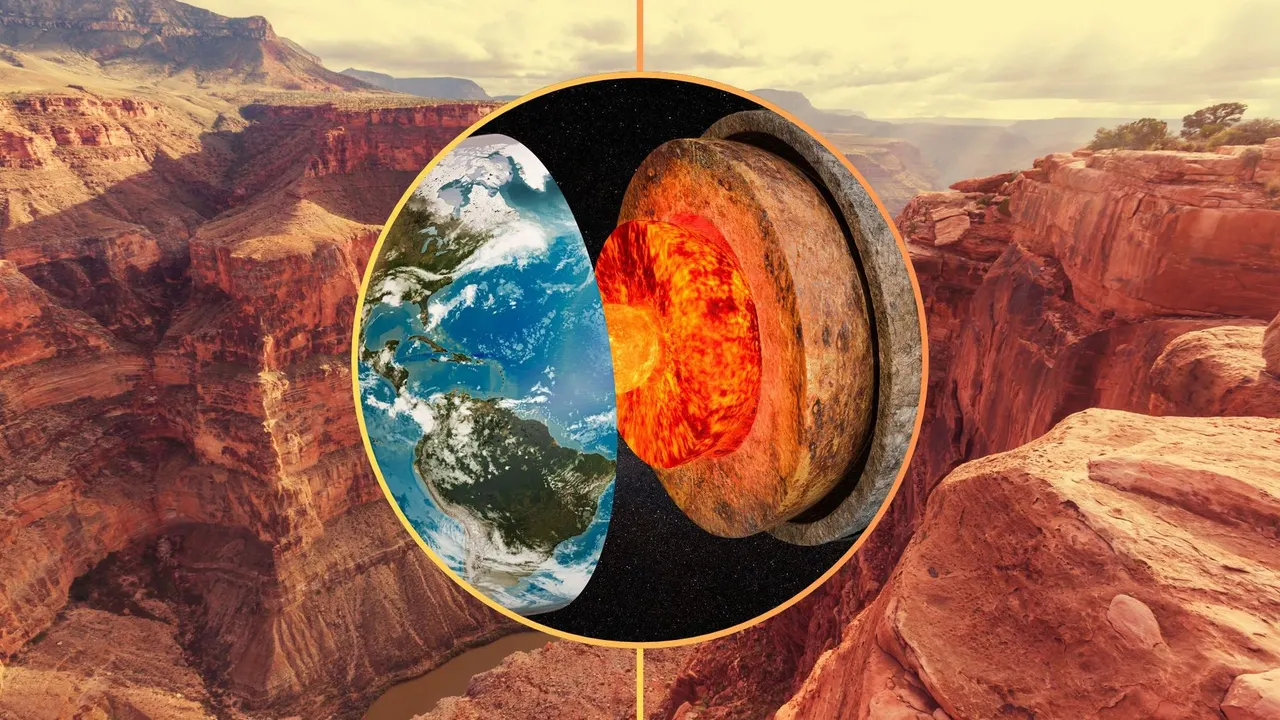
Open the Grand Canyon's rock layers like a book and you will find pages missing. Rocks separated by hundreds of millions of years sit directly on top of one another, with nothing in between. Geologists call this the Great Unconformity, and a new study in the journal Nature suggests the culprit lies deep inside Earth.
What is the Great Unconformity?
Normally sediment piles up in layers, older ones below and younger ones above, and geologists read them to reconstruct ancient environments. The Great Unconformity breaks that pattern. It is not just a Grand Canyon quirk: similar gaps turn up across Europe, Australia, Africa and Asia. Depending on the place, the missing time runs from about 200 million years to more than a billion.
"Imagine a book where a huge section in the middle has been ripped out," said lead author Santosh Dhungana. "Our research suggests these pages weren't lost by chance."
What did the researchers find?
Dhungana and co-author Nicolas Flament used computer models to test whether the slow circulation of hot rock in Earth's mantle could be responsible. Their simulations suggest three ancient continental regions, Laurentia (modern North America), Baltica (northern Europe) and North China, were gradually pushed upward during the Neoproterozoic Era, roughly one billion to 540 million years ago.
That left huge areas of land exposed for a very long time. Water, wind and other processes had time to wear away rock that formed much earlier.
Erosion only explains the missing rock, though. The team also had to explain why the gap is still visible. According to the models, the same regions later sank. Sea levels rose relative to the land, and new sediment settled over the eroded surface, sealing the sharp line between old and young rock that we can still see.
The simulated timing of the uplift and sinking matches geological evidence from North America, northern Europe and North China. That points to movements in the mantle as a major influence on the rock record we have today.
Apps worth a look
SUMO: the number puzzleTap the right tiles, add them up, hit the target. Easy to learn, hard to master. Free, for all ages.
Dialo: learn languages by speakingTalk to an AI conversation partner; every sentence comes back corrected and explained in your language. 9 languages, A1 to C2.
ediviewer: read EDI files like documentsOpen EDIFACT and X12 messages, see every segment explained, convert to JSON/XML, export PDF and Excel. Runs locally, no upload.
giftdetect: the right gift in minutesPick who it is for, the occasion and their personality. The search engine reads product descriptions from local shops and ranks what fits. Free, no sign-up.
More from this day
See all →
Nginx vulnerability lets attackers run code on a server with no login

GPT-6 Cyber found about 35 security flaws across Apple devices

Artex AI tool: FBI says hackers got in within 3 hours

Scattered Spider hacker Tyler Buchanan gets 6 years over $11.6M crypto theft
More in: Science
See all →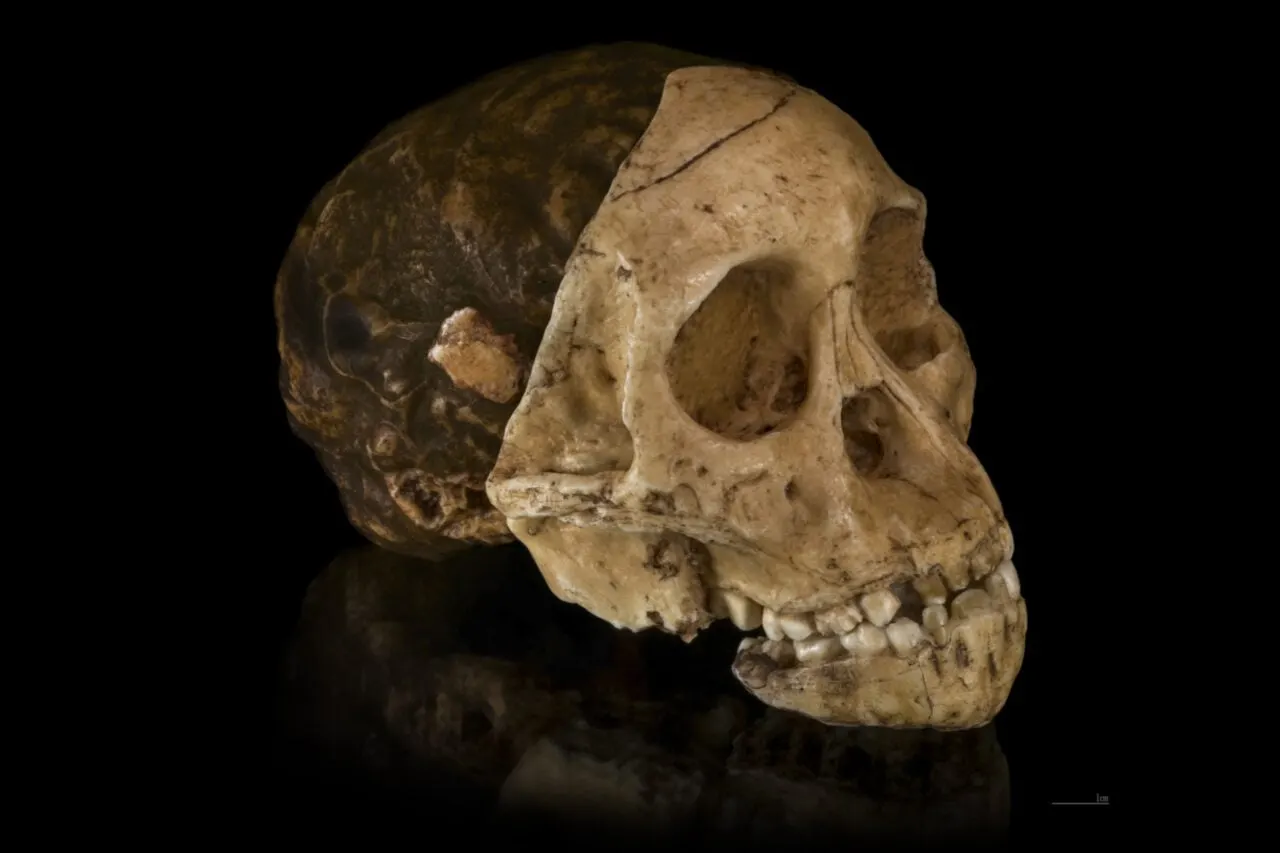
Taung Child skull redated to 3 million years, and it upends the family tree

2.8 million basketwork eels packed onto a Tasmanian seamount
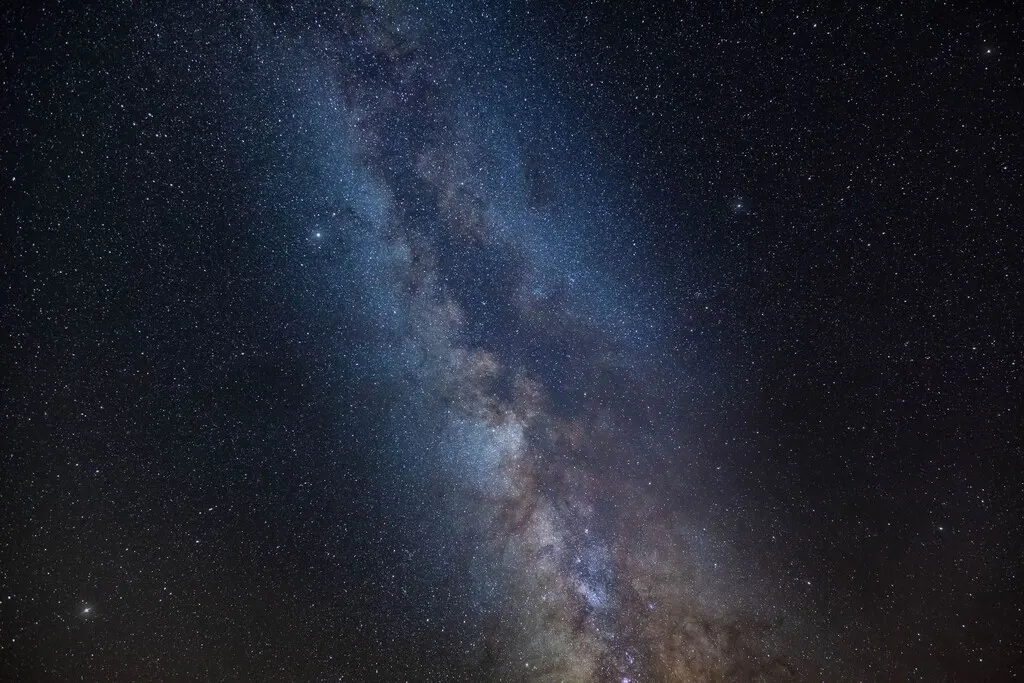
Milky Way weighed at 1.19 trillion suns, with 11% uncertainty