VCN-01: a modified cold virus against pancreatic cancer
A Madrid-led trial used a genetically modified cold virus to break through pancreatic tumours' protective wall. Patients lived 10.8 months versus 8.6 on chemo alone.
 SUMO· the number puzzle
 Dialo· learn languages by speaking
 ediviewer· read EDI files like documents
 giftdetect· the right gift in minutes
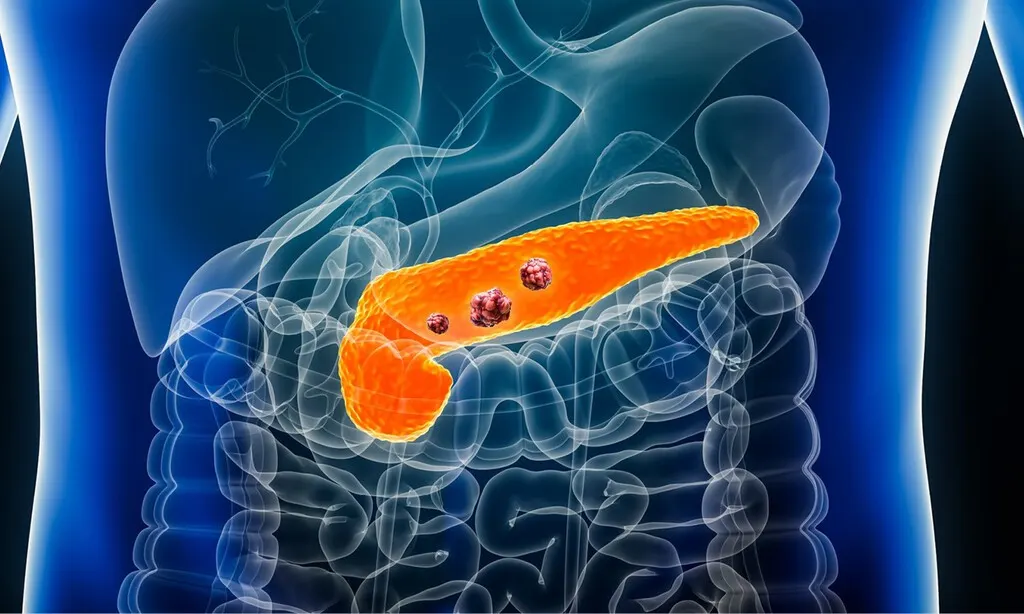
Pancreatic cancer is one of the deadliest cancers, partly because the tumour builds a kind of armour around itself. A clinical trial led by Madrid's Hospital 12 de Octubre now suggests a modified cold virus called VCN-01 can help tear that armour down.
What is VCN-01?
VCN-01 is an adenovirus, the family of viruses behind common colds, redesigned by VCN Biosciences, a Barcelona start-up. It has been modified so the liver, the body's big filter, doesn't destroy it after an injection. That lets it travel through the blood and reach both the main tumour and metastases.
Once inside cancer cells, the virus replicates and kills them. It also produces an enzyme called hyaluronidase, which breaks down the hyaluronic acid in the tumour's wall. The idea is to open a path for chemotherapy, a bit like a Trojan horse.
Why is pancreatic cancer so hard to treat?
Pancreatic ductal adenocarcinoma generates an extremely dense, fibrous matrix around itself. It works as a physical shield: chemo drugs struggle to get in, and immune cells that could attack the tumour are kept out.
What did the trial find?
Researchers compared standard treatment with standard treatment plus the virus. Patients who received the virus and chemotherapy had a median overall survival of 10.8 months. Those on chemotherapy alone had 8.6 months.
There is a catch. The statistical significance sits right at the edge of what science counts as significant. That is not a verdict, but it is a reason to run larger trials with more patients to see whether the benefit holds.
The road here was long. In 2021, a phase 1 trial led by Marta Bazan-Peregrino showed that injecting the virus directly into the tumour was well tolerated and stabilised the treated lesions. In 2022, another phase 1 study led by Dr Rocío García-Carbonero found a 50% overall response rate with intravenous administration in pancreatic adenocarcinoma patients. Viral genomes were also detected in tumour tissue in five of six biopsies analysed.
Apps worth a look
SUMO: the number puzzleTap the right tiles, add them up, hit the target. Easy to learn, hard to master. Free, for all ages.
Dialo: learn languages by speakingTalk to an AI conversation partner; every sentence comes back corrected and explained in your language. 9 languages, A1 to C2.
ediviewer: read EDI files like documentsOpen EDIFACT and X12 messages, see every segment explained, convert to JSON/XML, export PDF and Excel. Runs locally, no upload.
giftdetect: the right gift in minutesPick who it is for, the occasion and their personality. The search engine reads product descriptions from local shops and ranks what fits. Free, no sign-up.
More from this day
See all →
Mozilla Firefox hotline: call 1-855-25-FIREFOX to complain about Edge

Russia's MAX messenger gets a bot that checks if a taxi is legal
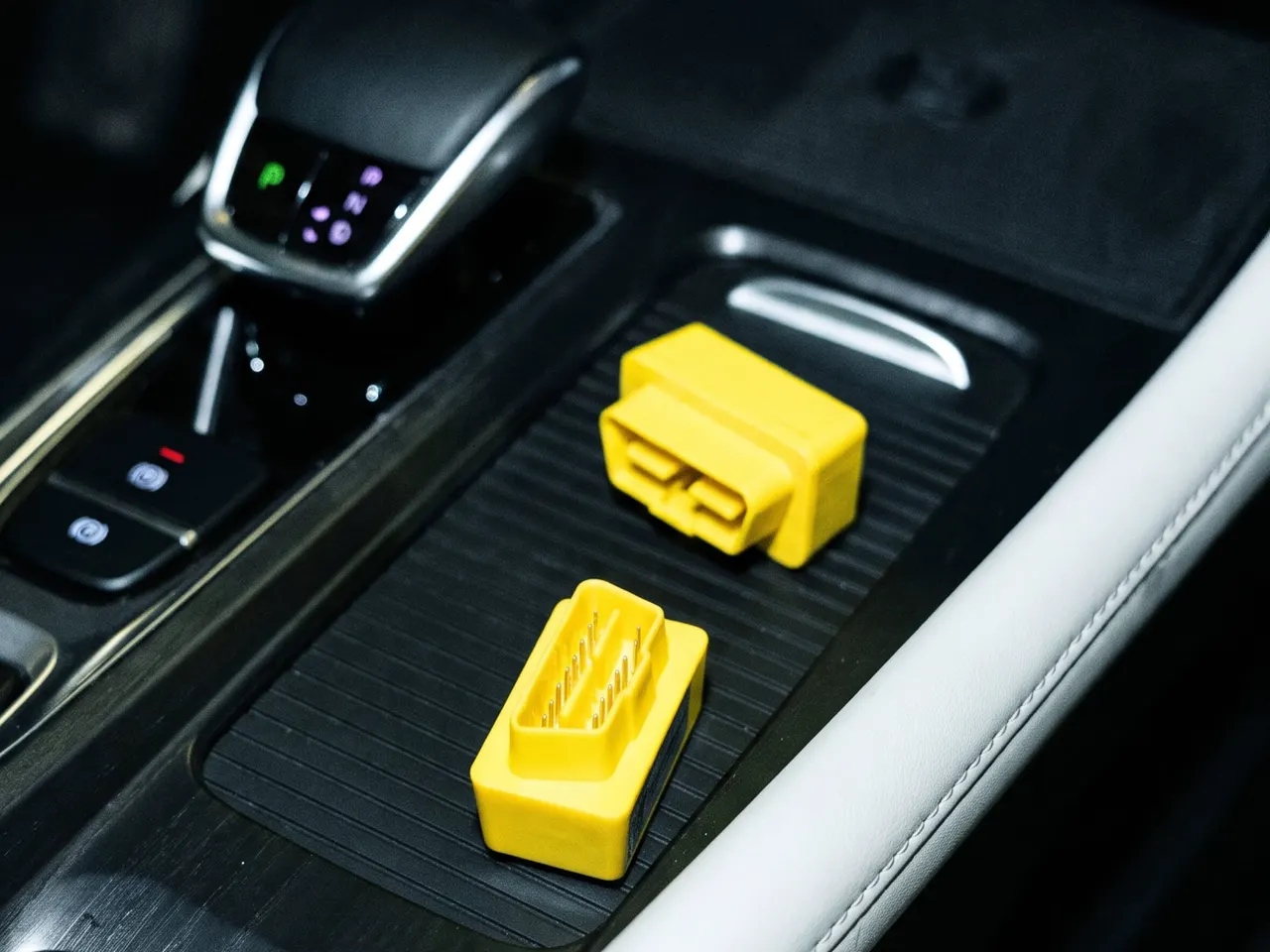
Yandex Kompas: a plug-in box that tracks taxis when GPS fails

Magnetic tape is back: Fujifilm plans 5x output as AI eats memory
More in: Science
See all →
SSI Mantra robot: two surgeons run a beating-heart bypass

China's underwater data center off Shanghai runs on sea water

School phone bans work a little: 1-2 extra weeks of learning