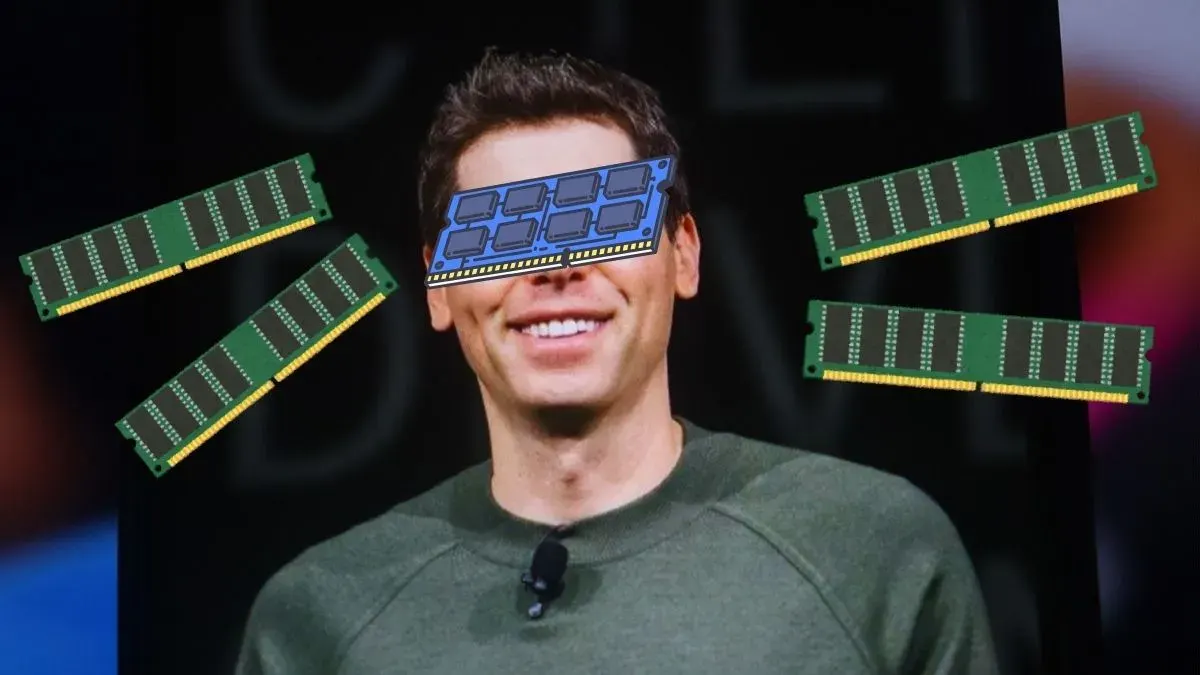
Magnetic tape is back: Fujifilm plans 5x output as AI eats memory
Memory prices are so high that a 1950s-era storage format is booming again. Fujifilm is spending about 10 billion yen to make five times as much magnetic tape.
 SUMO· the number puzzle
 Dialo· learn languages by speaking
 ediviewer· read EDI files like documents
 giftdetect· the right gift in minutes
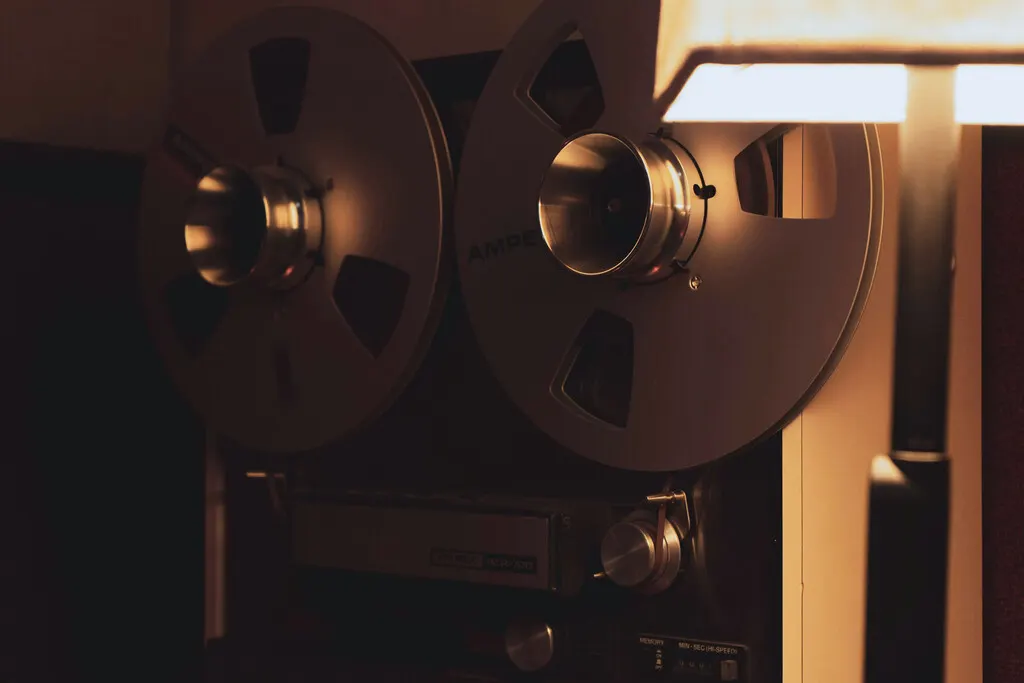
Magnetic tape, the storage format your parents' cassettes were built on, is having a comeback, and AI is the reason. The same boom that has pushed memory chip prices through the roof is sending data centres back to tape.
Fujifilm says it will invest around 10 billion yen (roughly 57 million euros) in its Odawara plant through 2028. The goal is to make five times as much magnetic tape as it did in 2025. It is the company's biggest outlay for this business in 20 years, according to Tom's Hardware, and it focuses on high-capacity cartridges such as the LTO-10, which holds 40 TB uncompressed.
Why is magnetic tape being used again?
Price, mostly. An enterprise 30 TB SSD costs about 22,600 dollars, around 18.6 times more than a hard drive, and its price has risen 6.5 times in a year. Western Digital and Seagate have their stock sold out until 2027. A Fujifilm analysis with Brad Johns Consulting puts tape at about one cent per gigabyte, against 3 to 3.5 cents for hard drives.
Tape suits cold data: files kept for years and rarely opened. IDC expects the world to generate 718 zettabytes in 2030, four times the 2024 figure. Banks, labs and data centres already back up to tape, and CERN keeps scientific archives on it.
There is a security angle too. A cartridge on a shelf is connected to nothing, so a remote attacker cannot reach it. That is the idea behind an "air gap", an offline backup copy, and the LTO consortium lists cyber resilience among the reasons demand is up.
Is there a tape shortage?
Not for now. Shipments of LTO tape fell 9% in 2025 to 160.3 exabytes, after a record 176.5 in 2024, but orders in the first quarter of 2026 rose 57% year on year. Tape is made by a different supply chain from memory chips: Toray and others make the film, and Dowa Holdings among others produces the magnetic coating. AI does not appear to be draining that supply.
Other storage is expanding too. Kioxia and Sandisk will invest 5 trillion yen (about 28.4 billion euros) over six years on SSDs, and Toshiba will spend roughly 341 million euros to double its hard drive plant in the Philippines.
Apps worth a look
SUMO: the number puzzleTap the right tiles, add them up, hit the target. Easy to learn, hard to master. Free, for all ages.
Dialo: learn languages by speakingTalk to an AI conversation partner; every sentence comes back corrected and explained in your language. 9 languages, A1 to C2.
ediviewer: read EDI files like documentsOpen EDIFACT and X12 messages, see every segment explained, convert to JSON/XML, export PDF and Excel. Runs locally, no upload.
giftdetect: the right gift in minutesPick who it is for, the occasion and their personality. The search engine reads product descriptions from local shops and ranks what fits. Free, no sign-up.