China's underwater data center off Shanghai runs on sea water
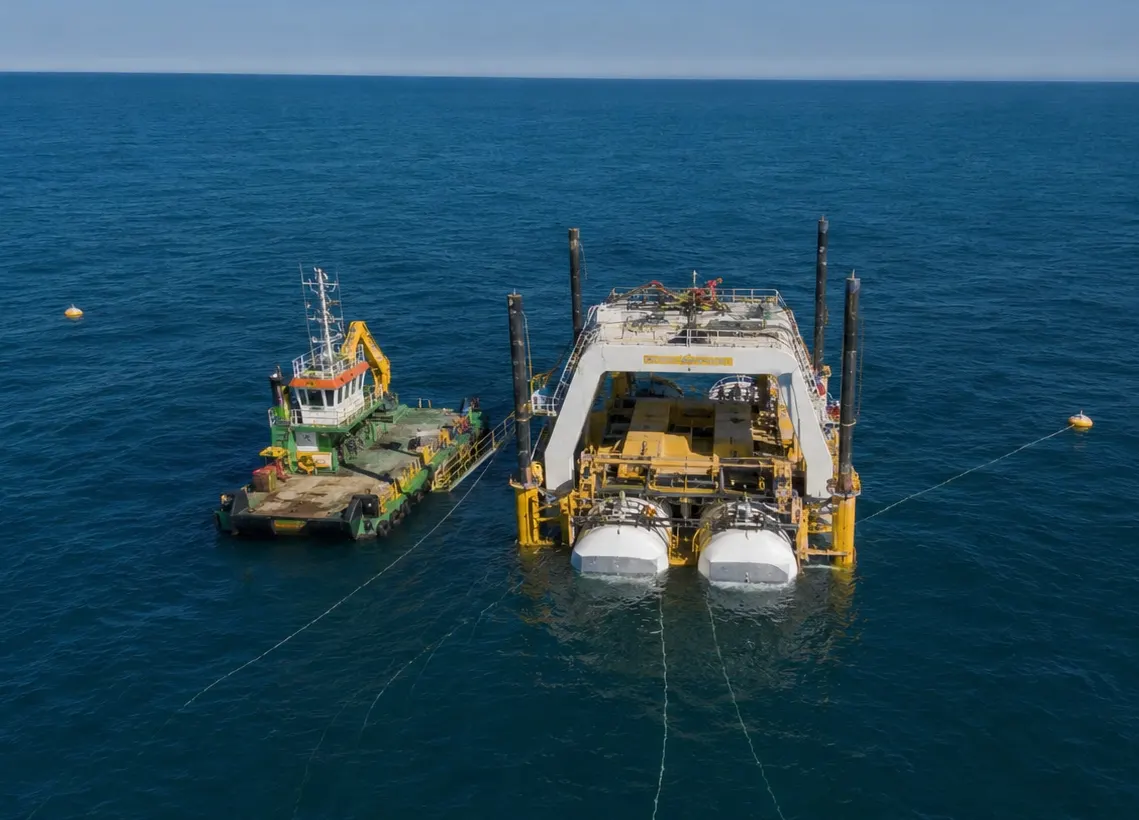
China has switched on an underwater data center 9.7 km off Shanghai. It saves fresh water, but scientists worry about what its waste heat does to the sea.
 SUMO· the number puzzle
 Dialo· learn languages by speaking
 ediviewer· read EDI files like documents
 giftdetect· the right gift in minutes
Data centers drink a lot of water, so China has put one in the sea. An underwater data center is now running off Shanghai, and it is billed as the first of its kind in the world.
The project comes from HiCloud Technology and China Communications Construction. It sits 9.7 km off the coast of the Lingang special zone, an area set aside for high-tech and manufacturing business. The facility cost $226 million (about 36.3 billion yen) and lies at a depth of roughly 9 metres.
It is not huge. Its maximum capacity is 24 MW, while the gigawatt-class sites being built on land are far bigger. So this is not going to make a dent in China's overall computing capacity. Think of it as a proof of concept.
Why put a data center under the sea?
Water. A report from the United Nations University Institute for Water, Environment and Health (UNU-INWEH) says data centers could use 9.3 trillion litres of water a year by 2030. That equals about 3.72 million Olympic swimming pools. Japan's household water use is 14.4 trillion litres a year, so data centers would burn through roughly eight months' worth of it.
Sitting in the sea, a data center can dump its heat straight into the surrounding water instead of using fresh water for cooling.
Is an underwater data center bad for the ocean?
Nobody knows yet. A similar plan proposed off California has run into environmental objections. Scientists warn that the released heat could feed harmful algal blooms or create conditions that hurt marine life.
Another study of such projects found a different risk. If the warm water coincides with something unpredictable like a marine heatwave, the water could lose oxygen and large numbers of sea creatures could suffocate.
The heat from one data center will warm the water nearby, but it won't cause global ocean warming. The Chinese project also appears to have faced tougher regulatory review than the American proposal, so its impact may be kept small. For developers, though, any free space on land, in the water or in orbit looks like a good place for a data center.
Apps worth a look
SUMO: the number puzzleTap the right tiles, add them up, hit the target. Easy to learn, hard to master. Free, for all ages.
Dialo: learn languages by speakingTalk to an AI conversation partner; every sentence comes back corrected and explained in your language. 9 languages, A1 to C2.
ediviewer: read EDI files like documentsOpen EDIFACT and X12 messages, see every segment explained, convert to JSON/XML, export PDF and Excel. Runs locally, no upload.
giftdetect: the right gift in minutesPick who it is for, the occasion and their personality. The search engine reads product descriptions from local shops and ranks what fits. Free, no sign-up.
More from this day
See all →
Japan's most common password is "pass1111", NordPass finds

Free GTA 6 PC download is malware, and there's no PC version yet

Samsung One UI 9.5 adds native app lock for Galaxy phones

Disney+ and Hulu merge into one app in December, after 3 years
More in: Science
See all →
School phone bans work a little: 1-2 extra weeks of learning

NEUSLeeP ultrasound sleep patch speeds REM sleep by 43 minutes

E-bike and e-scooter injuries in children rise up to 33% a quarter