Eagles killing 57-pound baboons in Chad surprise scientists
Researchers in Chad found baboon skulls with talon holes in them. The biggest male weighed about 58 pounds, roughly the size of an early human ancestor.
 SUMO· the number puzzle
 Dialo· learn languages by speaking
 ediviewer· read EDI files like documents
 giftdetect· the right gift in minutes
Eagles that hunt baboons the size of a small child? Researchers working in northern Chad say the evidence is hard to dismiss, and it may change how we think about the dangers our early ancestors faced.
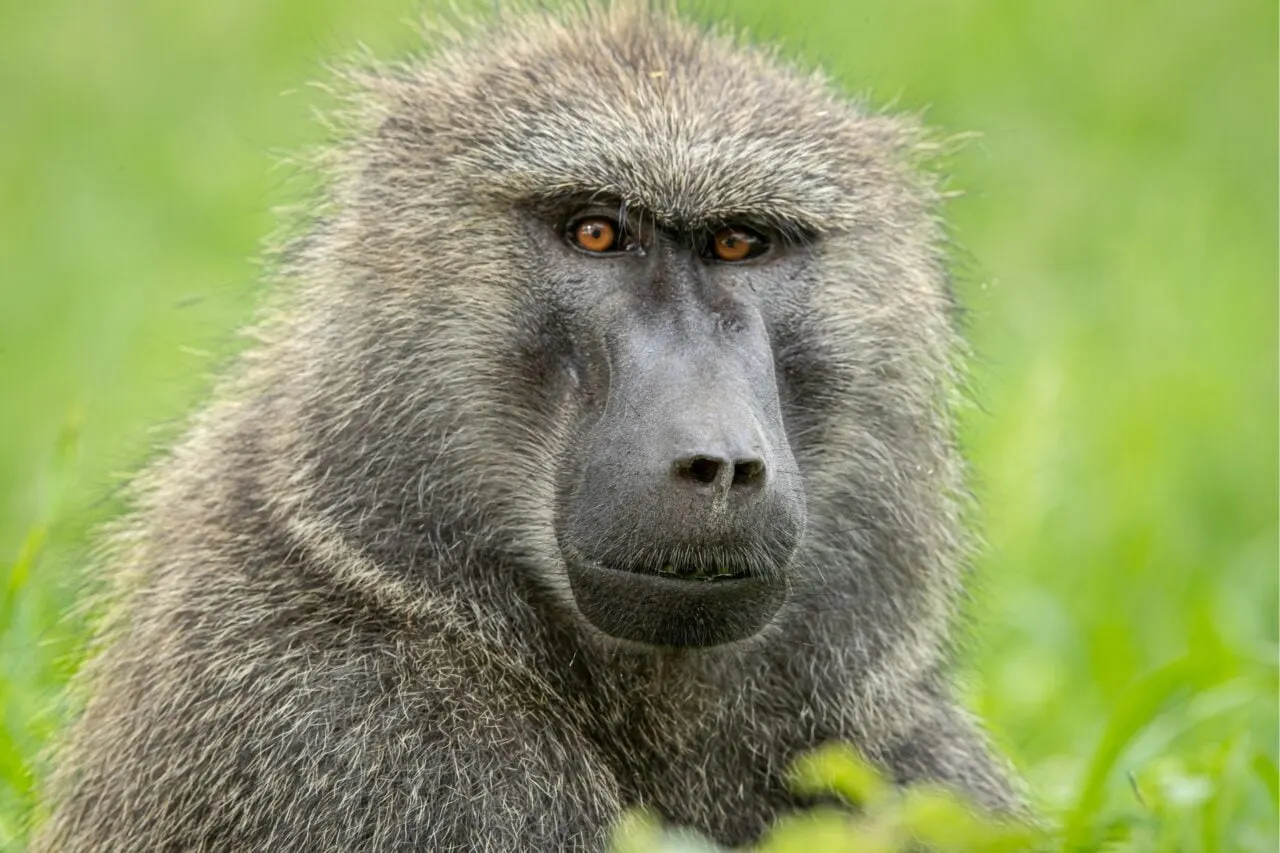
On expeditions to the sandstone cliffs of the Ennedi Plateau, a team led by Catherine Hobaiter of the University of St Andrews and Nathaniel Dominy of Dartmouth College found skulls and bones from adult male olive baboons. Many carried clear marks of eagle attacks: talon punctures in the skull, scrapes across the shoulder blade. Two skulls had punctured eye sockets.
"Then we found the first skull with a puncture mark, and then another, and another," Hobaiter said. The team first recovered remains of nine baboons, eight of them adult males, during fieldwork in February and March 2025. One male was estimated at about 48 pounds (21.8 kg). A tenth baboon, found in June this year, was bigger still: an estimated 57.8 pounds (26.2 kg), again with talon punctures and raked shoulder blades. The researchers were watching Verreaux's eagles in the area.
Why does a big baboon matter for human evolution?
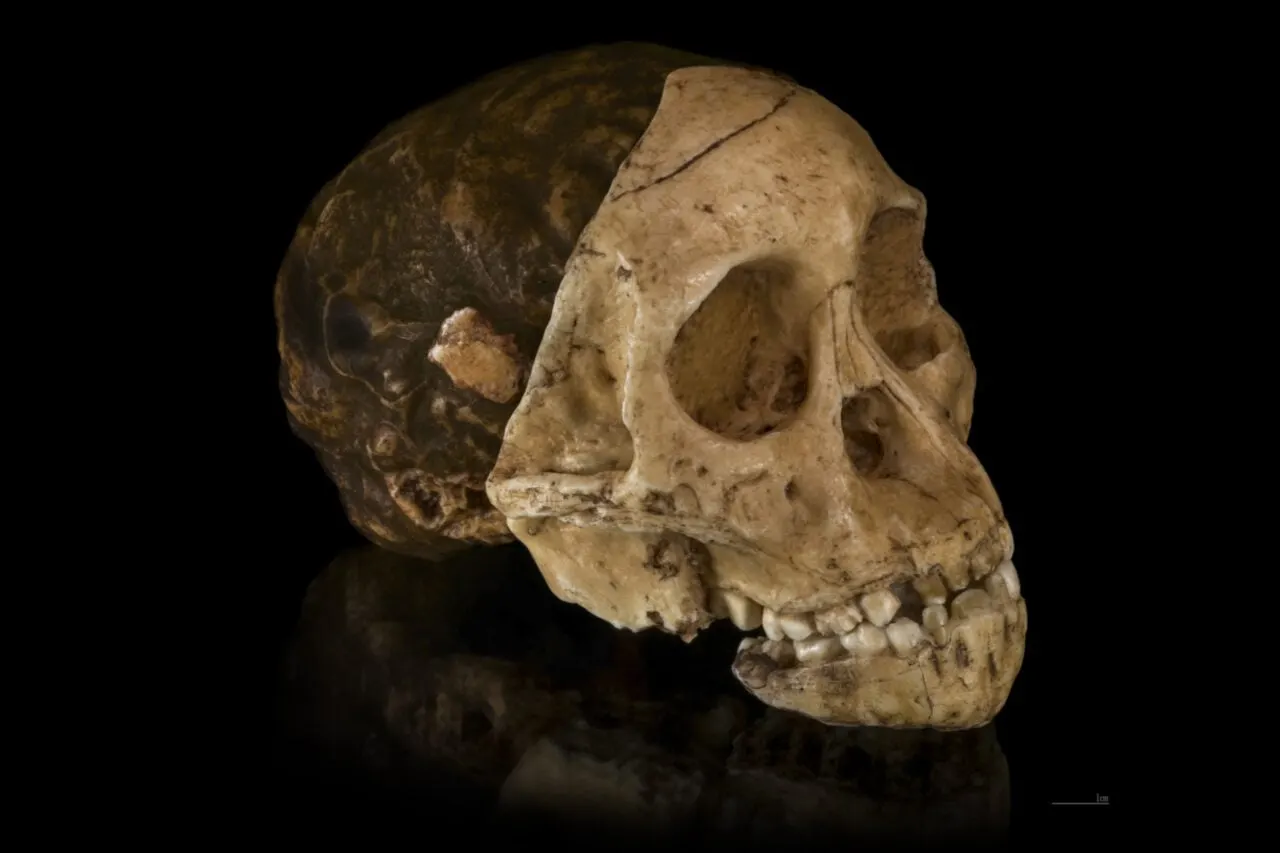
Eagles were already known to take primates up to about 29 pounds (13 kg). Even our smallest ancestors were thought too heavy for them. But adult Australopithecus, the upright-walking hominins that lived in Africa between 4 and 2 million years ago, were about the size of these baboons. Earlier work had already linked raptors to the death of young australopithecines, as in the Taung Child skull.
If the finding holds up, adult early humans may have been easier prey for eagles than anyone assumed. Baboons answer eagles by mobbing, with several animals, especially big males, charging the bird to drive it off. Defending against a threat from the air is different from defending against a lion, so the pressure could have shaped how early humans communicated and cooperated.
The study appears in the American Journal of Biological Anthropology. Dominy says his own doubt gave way as the evidence piled up: the idea "seemed to exist on the thin edge of possibility, until it didn't."
Apps worth a look
SUMO: the number puzzleTap the right tiles, add them up, hit the target. Easy to learn, hard to master. Free, for all ages.
Dialo: learn languages by speakingTalk to an AI conversation partner; every sentence comes back corrected and explained in your language. 9 languages, A1 to C2.
ediviewer: read EDI files like documentsOpen EDIFACT and X12 messages, see every segment explained, convert to JSON/XML, export PDF and Excel. Runs locally, no upload.
giftdetect: the right gift in minutesPick who it is for, the occasion and their personality. The search engine reads product descriptions from local shops and ranks what fits. Free, no sign-up.
More from this day
See all →
Sam Altman on the Artificial movie: not top 10 weirdest things

AI-found security flaws may be behind this week's US outages

Pixel Watch LTE on Verizon: Owners Can't Get Service to Activate

Nudify apps: senators press Apple, Google and Meta for answers
More in: Science
See all →
Dental floss sensor reads glucose and uric acid in 3 minutes
AI teaches a 5-tonne John Deere 332G to balance on two wheels

Great Unconformity: why Earth is missing a billion years of rock