Radiocarbon dating error: freshwater fish made monks look older
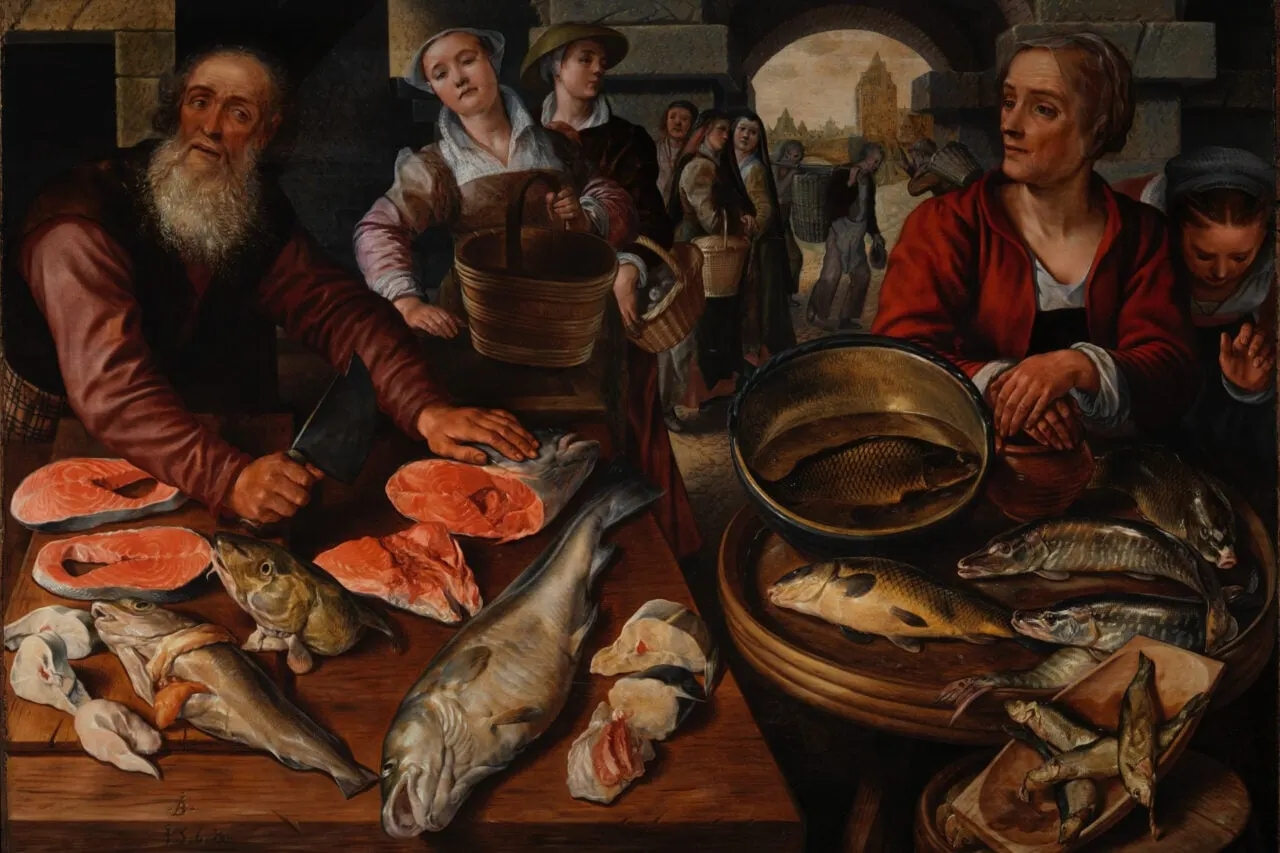
Danish researchers found that eating freshwater fish can make a skeleton look up to 1,000 years older than it is. Six of 27 medieval burials were affected.
 SUMO· the number puzzle
 Dialo· learn languages by speaking
 ediviewer· read EDI files like documents
 giftdetect· the right gift in minutes
Radiocarbon dating, the standard way to date old bones, has a blind spot, and it swims. People who ate a lot of freshwater fish can come out of the lab looking up to 1,000 years older than they really are.
The finding comes from a paper in npj Heritage Science. Researchers at the University of Southern Denmark studied 27 skeletons from medieval Danish monasteries, and six of them had dates that simply did not add up. One man, labelled IIIB9, was dated to between 1100 and 1155 CE, yet his monastery was not founded until 1236. Another person appeared to have died around 976, some 200 years before their monastery existed.
How does the freshwater fish problem in radiocarbon dating work?
Living things take in radioactive carbon-14 and start losing it when they die. Count what is left and you can estimate how long ago that happened. Rivers and lakes complicate this. Older sediments dissolve carbonates into the water, leaving it with roughly 15% less carbon-14. This is called the reservoir effect, and it passes into the fish and then into whoever eats them.
A fish from the Rhine can look up to 1,300 years older than a land animal that lived at the same time. But first author Kaare Lund Rasmussen warns you cannot just subtract 1,300 years from a fish eater's date. The effect "can range from zero to 1,000 years," he said, depending on the water.
How did the team confirm it?
Historical and archaeological records suggested these people ate mostly fish. Measurements of nitrogen-15, which gives clues about diet, showed that the six misdated individuals very likely ate a lot of freshwater fish.
Rasmussen calls it "a major problem," and not only in Denmark but probably across Europe. The team calls it the "freshwater trap" and says it should be considered whenever medieval remains are dated. Because it varies by region, checking indicators like nitrogen-15 alongside the carbon dates is a sensible start.
Apps worth a look
SUMO: the number puzzleTap the right tiles, add them up, hit the target. Easy to learn, hard to master. Free, for all ages.
Dialo: learn languages by speakingTalk to an AI conversation partner; every sentence comes back corrected and explained in your language. 9 languages, A1 to C2.
ediviewer: read EDI files like documentsOpen EDIFACT and X12 messages, see every segment explained, convert to JSON/XML, export PDF and Excel. Runs locally, no upload.
giftdetect: the right gift in minutesPick who it is for, the occasion and their personality. The search engine reads product descriptions from local shops and ranks what fits. Free, no sign-up.
More from this day
See all →
Nāpōwawāʻenakaulua: Webb Finds Earliest Quasar Pair Ever

United Airlines AI agent ban: bots can't tick the check-in box

Jensen Huang resigns as Nvidia CEO; Colette Kress steps in as interim

Windows WinSxS folder: the DISM command that frees up to 10 GB
More in: Science
See all →
New peanut worm species found in Japan's deep sea has saw-toothed hooks
Webb spots H3+ 'forbidden' signal predicted 40 years ago
Okinawa rail: frozen sperm grows a full embryo in a bird down to 720