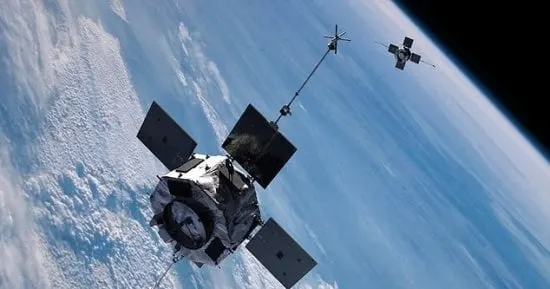
Project Suncatcher: Google adds Blue Origin's New Glenn
Google's first data center satellite already flew on a SpaceX rocket. For Project Suncatcher, Jeff Bezos' Blue Origin will now launch satellites for Google too.
 SUMO· the number puzzle
 Dialo· learn languages by speaking
 ediviewer· read EDI files like documents
 giftdetect· the right gift in minutes
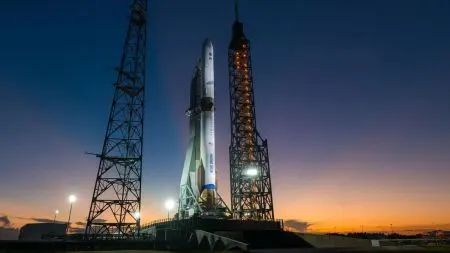
Google is spreading its bets on who carries its computers into orbit. Its first data center satellite went up on a SpaceX rocket, and Blue Origin, the company of Jeff Bezos, will now fly satellites for Google as well, on its New Glenn rocket.
The satellites belong to Project Suncatcher, Google's effort to put data center hardware in space. The first one is already in orbit, launched by SpaceX. The next launches will use New Glenn, Blue Origin's large rocket.
What is Project Suncatcher?
In short, it is Google's plan for data center satellites: computing hardware that sits on a spacecraft instead of in a building on the ground. The details of the satellites and the launch schedule are not part of the information available so far, so we will not guess at them.
Why two launch providers?
Google now has a deal with SpaceX, a rival of Blue Origin, and one with Blue Origin itself. Using both gives the project more than one way to get hardware to orbit, and it is a notable pairing of two companies that normally compete for the same customers.
Apps worth a look
SUMO: the number puzzleTap the right tiles, add them up, hit the target. Easy to learn, hard to master. Free, for all ages.
Dialo: learn languages by speakingTalk to an AI conversation partner; every sentence comes back corrected and explained in your language. 9 languages, A1 to C2.
ediviewer: read EDI files like documentsOpen EDIFACT and X12 messages, see every segment explained, convert to JSON/XML, export PDF and Excel. Runs locally, no upload.
giftdetect: the right gift in minutesPick who it is for, the occasion and their personality. The search engine reads product descriptions from local shops and ranks what fits. Free, no sign-up.
More from this day
See all →
Android sideloading rules go global in January 2027
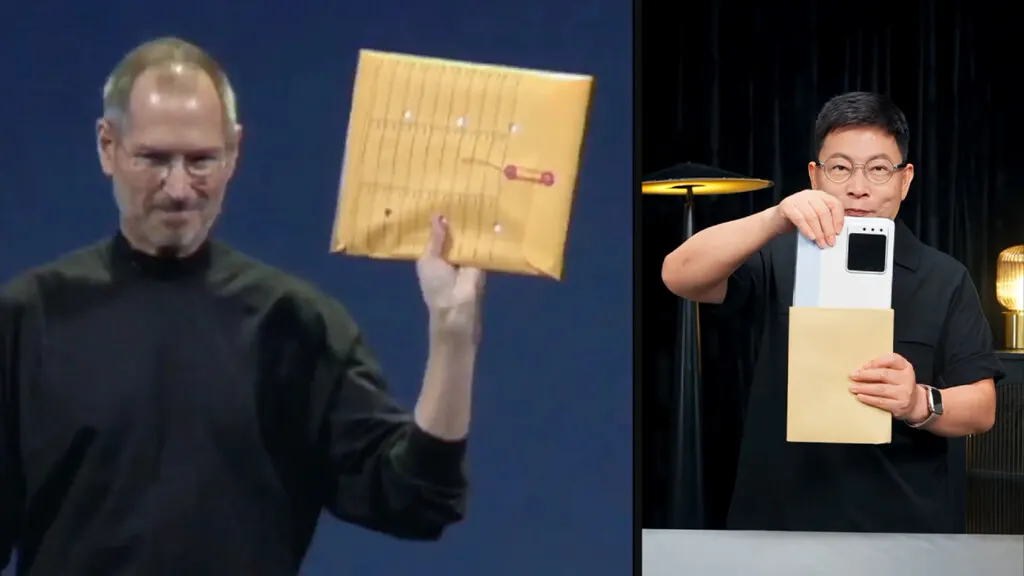
Huawei MateBook Fold S: Richard Yu Pulls a Laptop From an Envelope
Deepfake call detector spots face swap and voice cloning in one second

Dutch privacy watchdog advises against buying AI smart glasses
More in: Space
See all →
Voyager 2 won't reach one light-day from Earth until 2035
PODS: Europe's orbital strike weapon built on a science capsule
Starship chopsticks catch: tower cameras show Ship in slo-mo