Deepfake call detector spots face swap and voice cloning in one second
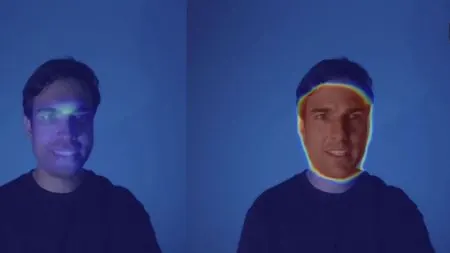
Researchers have built a detector for deepfake video calls that flags face swaps and cloned voices within about a second. The person on your screen may not be real.
 SUMO· the number puzzle
 Dialo· learn languages by speaking
 ediviewer· read EDI files like documents
 giftdetect· the right gift in minutes
That friendly face on your next video call could be a stranger wearing someone else's features. Researchers now say they have a deepfake call detector that raises the alarm in about one second.
The threat is simple to describe. Fraudsters use face swap, which puts another person's face over their own in real time, and voice cloning, which copies how someone sounds. Together they let a scammer pose as a colleague, a boss or a relative on a live video call.
How does the deepfake detector work?
The material available to us gives only the headline claim: the researchers present a detector that reacts to a fake caller within one second. Technical details, such as what signals it analyses, how accurate it is and how it was tested, are not part of what we have, so we can't say more about them here.
Why does speed matter?
A live call is different from a doctored video you can inspect later. The fraud happens while you are talking, and a request for money or data can come within minutes. A tool that flags a fake almost instantly is aimed at exactly that window.
Whether and when such a detector will be available to ordinary users or companies has not been stated in the material we have. For now it is research, and the sensible habit remains the same: be wary when a video call comes with an urgent request.
Apps worth a look
SUMO: the number puzzleTap the right tiles, add them up, hit the target. Easy to learn, hard to master. Free, for all ages.
Dialo: learn languages by speakingTalk to an AI conversation partner; every sentence comes back corrected and explained in your language. 9 languages, A1 to C2.
ediviewer: read EDI files like documentsOpen EDIFACT and X12 messages, see every segment explained, convert to JSON/XML, export PDF and Excel. Runs locally, no upload.
giftdetect: the right gift in minutesPick who it is for, the occasion and their personality. The search engine reads product descriptions from local shops and ranks what fits. Free, no sign-up.
More from this day
See all →
Huawei MateBook Fold S: Richard Yu Pulls a Laptop From an Envelope

Project Suncatcher: Google adds Blue Origin's New Glenn

Dutch privacy watchdog advises against buying AI smart glasses