Poland's Telecom Operators Face New Rules From 11 November 2026
The two-year transition under Poland's Electronic Communications Law ends on 11 November 2026, bringing new customer-service, switching and accessibility duties for operators.
 SUMO· the number puzzle
 Dialo· learn languages by speaking
 ediviewer· read EDI files like documents
 giftdetect· the right gift in minutes
Polish telecom operators must comply with a new set of obligations from 11 November 2026. The changes cover customer service, the exercise of subscriber rights and procedures linked to voice services, and in some cases will force companies to rewrite contracts, terms and forms.
The Electronic Communications Law itself has been in force since 10 November 2024. What ends now is the two-year transition period: older regulations issued under the Telecommunications Law lose effect and are replaced by new implementing rules. Around 40 such regulations are planned in total.
Switching provider and keeping your number
One key document is the Minister of Digital Affairs' regulation of 22 October 2026 (Dz.U. 2026, item 1411). It sets out how subscribers exercise their rights when changing internet provider or porting a phone number. The new operator must confirm receipt of the relevant application and give the customer a copy. The subscriber then has 21 days to deliver it to the current provider, or can authorise the new company to do so. Deadlines for handling applications range from 3 to 7 working days, depending on type and how they are submitted.
When leaving an internet provider, the copy of the service-continuity application handed to the previous operator will also count as notice of termination, so the provider cannot demand a separate letter. Customers may withdraw from the procedure up to two working days before the agreed date.
Accessibility for people with disabilities
A second regulation, dated 30 October 2026 (Dz.U. 2026, item 1454), sets requirements for providers of publicly available services. At least one sixth of an operator's customer service points must be adapted, with at least one in every city with county rights where the operator has a store. Visually impaired customers must have a computer with screen-reading and magnification software, while deaf and non-speaking customers must be able to use an online Polish Sign Language interpreter.
The rules also require priority service and free help configuring a purchased phone or modem. Contracts, terms and bill statements must be provided in an accessible digital format within 10 to 14 days of a request, and similar requirements apply to websites and apps used to manage services. Full adaptation of stores for wheelchair users has until 11 November 2027.
Operators will need to review customer systems, forms, data-exchange procedures between providers and documentation. Not every contract must change, but operational processes will. A complication remains: not all announced implementing regulations have been issued, so companies are preparing without the full set of rules.
Apps worth a look
SUMO: the number puzzleTap the right tiles, add them up, hit the target. Easy to learn, hard to master. Free, for all ages.
Dialo: learn languages by speakingTalk to an AI conversation partner; every sentence comes back corrected and explained in your language. 9 languages, A1 to C2.
ediviewer: read EDI files like documentsOpen EDIFACT and X12 messages, see every segment explained, convert to JSON/XML, export PDF and Excel. Runs locally, no upload.
giftdetect: the right gift in minutesPick who it is for, the occasion and their personality. The search engine reads product descriptions from local shops and ranks what fits. Free, no sign-up.
More from this day
See all →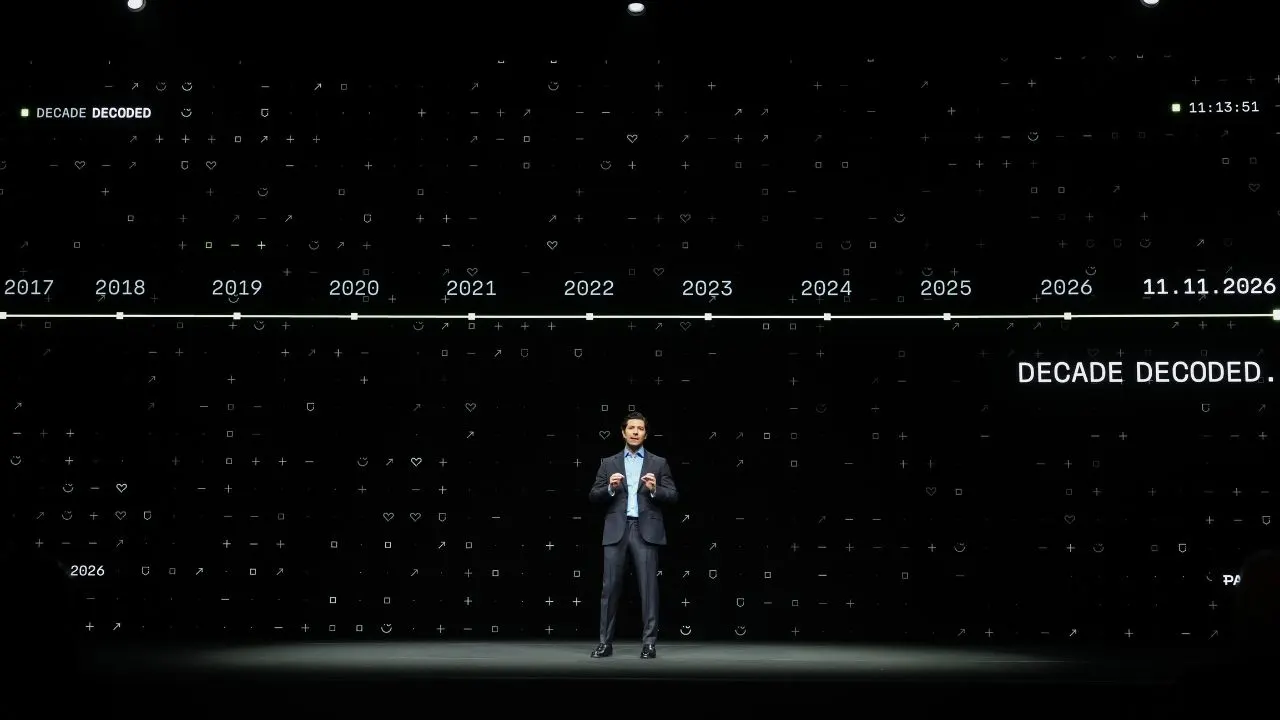
Paribu Unveils Intelligence AI and Free Terminal at 10-Year Event
Meta Launches Muse Ember, Its Smallest AI Model, for Agents

Oura to Acquire AI Health Startup Counsel Health for $625M

OpenAI launches Businesses beta to let firms claim ChatGPT profiles
More in: Mobile
See all →
Android Auto Drops Support for Android 9 and Android 10 Phones

Zeta Pulled From Apple App Store as AI Chat Rules Tighten
Telegram Turns Chat Messages Into Mini-Apps With New Widgets