Pig Kidney Frozen at -150°C Transplanted Successfully in Pigs
University of Minnesota researchers stored pig kidneys at -150°C for months to a year, then thawed and transplanted them into pigs, a step toward easing organ shortages.
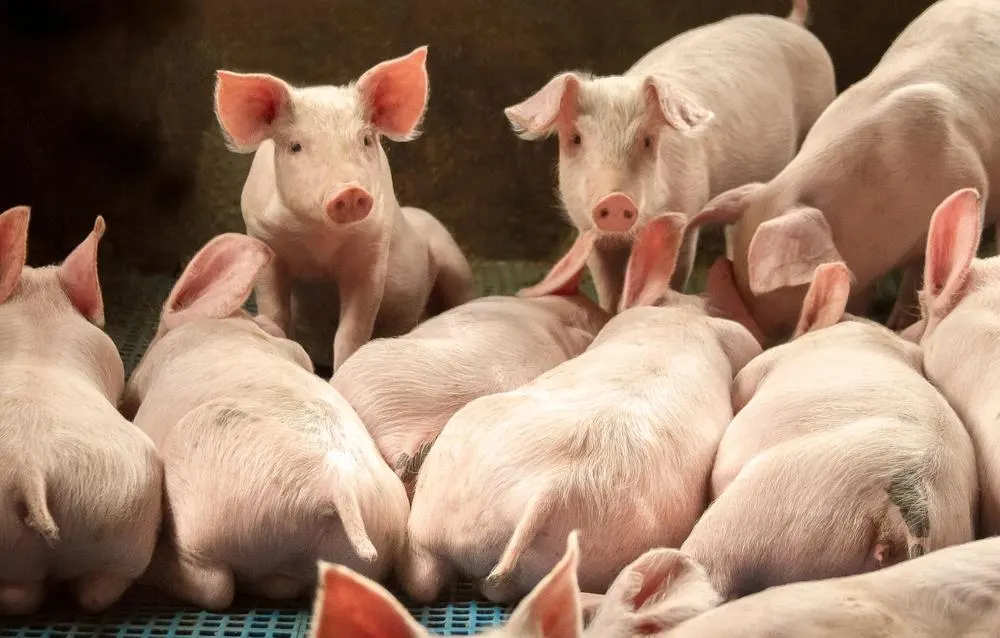
A research team at the University of Minnesota has transplanted pig kidneys that had been frozen at -150°C for several months to as long as a year. The group announced the result on 19 October 2026. The work is a preprint on bioRxiv and has not yet been peer reviewed.
After thawing and testing, the kidneys were transplanted into test pigs. The researchers report that the organs regained their temperature and color and that the animals produced urine after surgery. Both are important signs that blood flow and organ function were restored.
How vitrification works
The method is called vitrification, a rapid-cooling process that prevents ice crystals from growing inside cells and destroying them. The removed organ is soaked in chemical cryoprotectants (CPAs) and then cooled quickly to -150°C. Once it passes -120°C, the organ turns glass-like and stable. Co-lead Erik Finger, a transplant surgeon, told MIT Technology Review he believes this state could last indefinitely.
Vitrification is already used for eggs and sperm, but large organs are far harder to freeze and to rewarm evenly. Finger worked with bioengineer John Bischof of the university's mechanical engineering department on a fix: after the cryoprotectant is applied, iron oxide nanoparticles are infused into the organ. According to the team, the particles do not affect cells but conduct heat and electricity, allowing the kidney to be warmed more carefully and uniformly to room temperature. The group previously transplanted rat kidneys in 2023 and pig kidneys frozen for 10 days in 2025.
Why it matters, and what remains
Transplant windows are very short. In Japan, for example, kidneys must be used within 24 hours, hearts within 4. In the United States alone, more than 100,000 people are waiting for an organ, while many donated organs are discarded. Pig-to-human xenotransplantation has been attempted in the US since around 2022, and Japan's Pol-Med-Tech plans clinical trials in 2028.
The paper also notes limits. The rewarmed kidneys produced less urine than expected and showed signs of damage, which Finger and colleagues attribute to the cryoprotectant. Scaling vitrification to human-sized organs also means solving cooling, cryoprotectant stability and delivery, and biological toxicity, not just rewarming.
More from this day
See all →Amazon Secures Up to $80 Billion in Supplier Financing for AI

Intel Shares Plunge 29%, Their Worst Drop in Over Four Decades

Apple Strikes Deal for Ascend.io, an AI Data Engineering Startup

SK Hynix Warns Memory Shortage Could Last Until 2030
More in: Science
See all →
Pilot-wave theory survives a new test on quantum tunneling

CHIME Measures Cosmic Hydrogen Without Galaxy Maps, Aiding Dark Energy Study
Webb Telescope Detects Unexplained Emission Line in Empty Sky