NVIDIA RTX Spark May Be a Win for Qualcomm Snapdragon
NVIDIA's RTX Spark brings Blackwell graphics and CUDA to Windows on Arm. It could draw developers to the platform and help Qualcomm's Snapdragon laptops too.
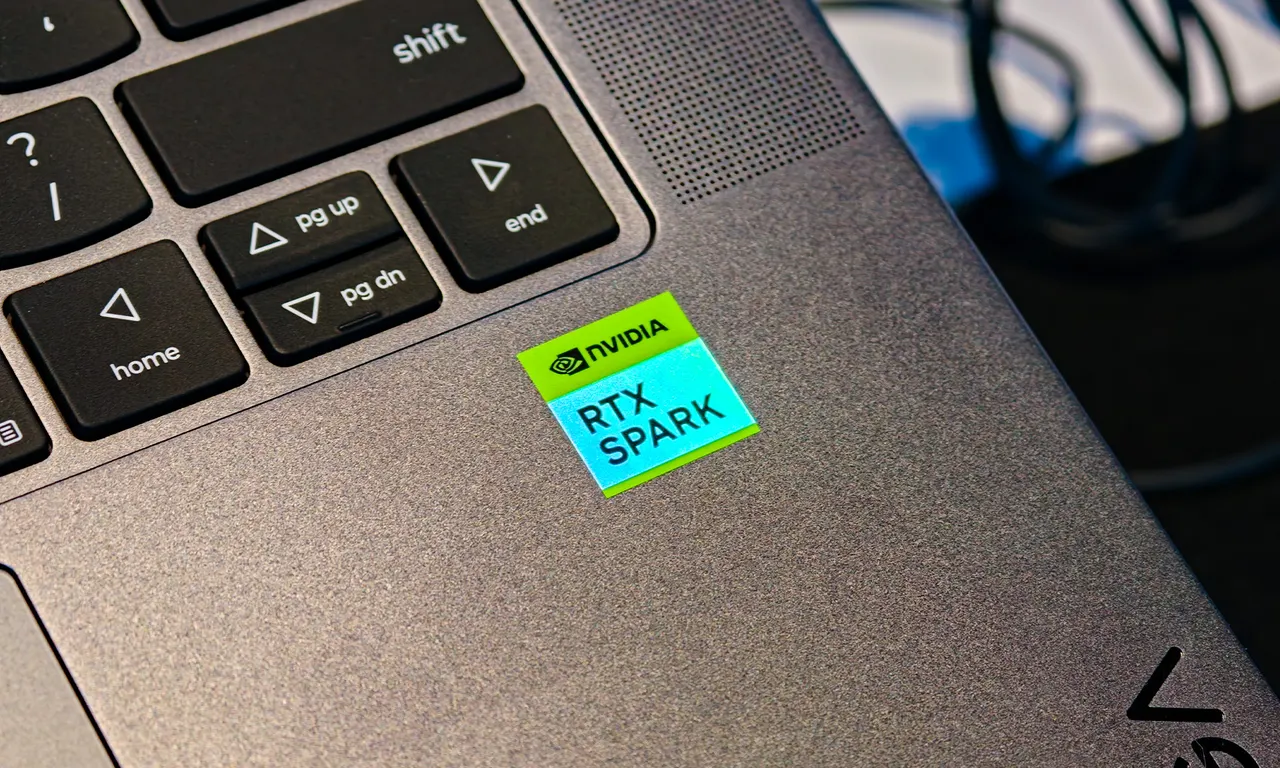
NVIDIA's RTX Spark looks like a threat to Qualcomm at first glance. It may turn out to be the opposite: a push that gives Windows on Arm the attention and software support it has lacked.
RTX Spark brings NVIDIA's Blackwell graphics architecture, the CUDA ecosystem and the company's AI expertise to Arm-based Windows PCs, developed in close collaboration with Microsoft. Microsoft has positioned it as another major investment in Windows on Arm, alongside the Snapdragon platform and a growing list of PC makers.
Why Qualcomm could benefit
Qualcomm's Snapdragon X-series chips proved that an Arm laptop can deliver strong everyday performance without leaving the Windows ecosystem, and Microsoft has kept expanding native apps and improving its Prism emulator for x86 and x64 software. Still, developer interest, gaming support and compatibility remain open problems.
NVIDIA carries weight in all three areas through GeForce RTX, DLSS, ray tracing and CUDA, which are already part of many developers' workflows. If NVIDIA persuades more studios and software makers to build native Arm apps, Qualcomm could gain even without selling a laptop with a Blackwell GPU.
Built for local AI agents
According to NVIDIA, the platform pairs a Blackwell GPU with a Grace CPU of up to 20 cores and up to 128GB of unified memory shared between CPU and GPU. Actual memory depends on configuration and workload. That headroom is aimed at running larger models locally, including agents such as Hermes and OpenClaw that can manage files and handle multi-step tasks across apps. Local operation offers more control over data, less reliance on a connection and no per-request cloud fees.
The operating system has been tuned as well. Workload Profile Scheduling spreads work across CPU cores, Microsoft's Power and Thermal Framework coordinates power and heat, and unified-memory changes affect allocation and page sizes. Windows ML and TensorRT integration help accelerate local AI on the GPU.
Security is part of the package. Microsoft Execution Containers let developers set what an agent can access, with Windows enforcing those limits and telling agent actions apart from user actions. NVIDIA's OpenShell runtime adds further controls. These safeguards are not foolproof, since results depend on how developers implement them and what permissions users grant.
More from this day
See all →
Samsung Galaxy Buds On Clip-On Earbuds Launch in South Korea

Electrum Wallet Bug Let Rogue Servers Steal Bitcoin via RBF

Keystone Says Website Breach Exposed Wallet Buyers' Addresses