Keystone Says Website Breach Exposed Wallet Buyers' Addresses
Keystone says a breach of its website exposed the addresses of hardware wallet buyers. A security researcher warns the data could fuel targeted scams and physical attacks.
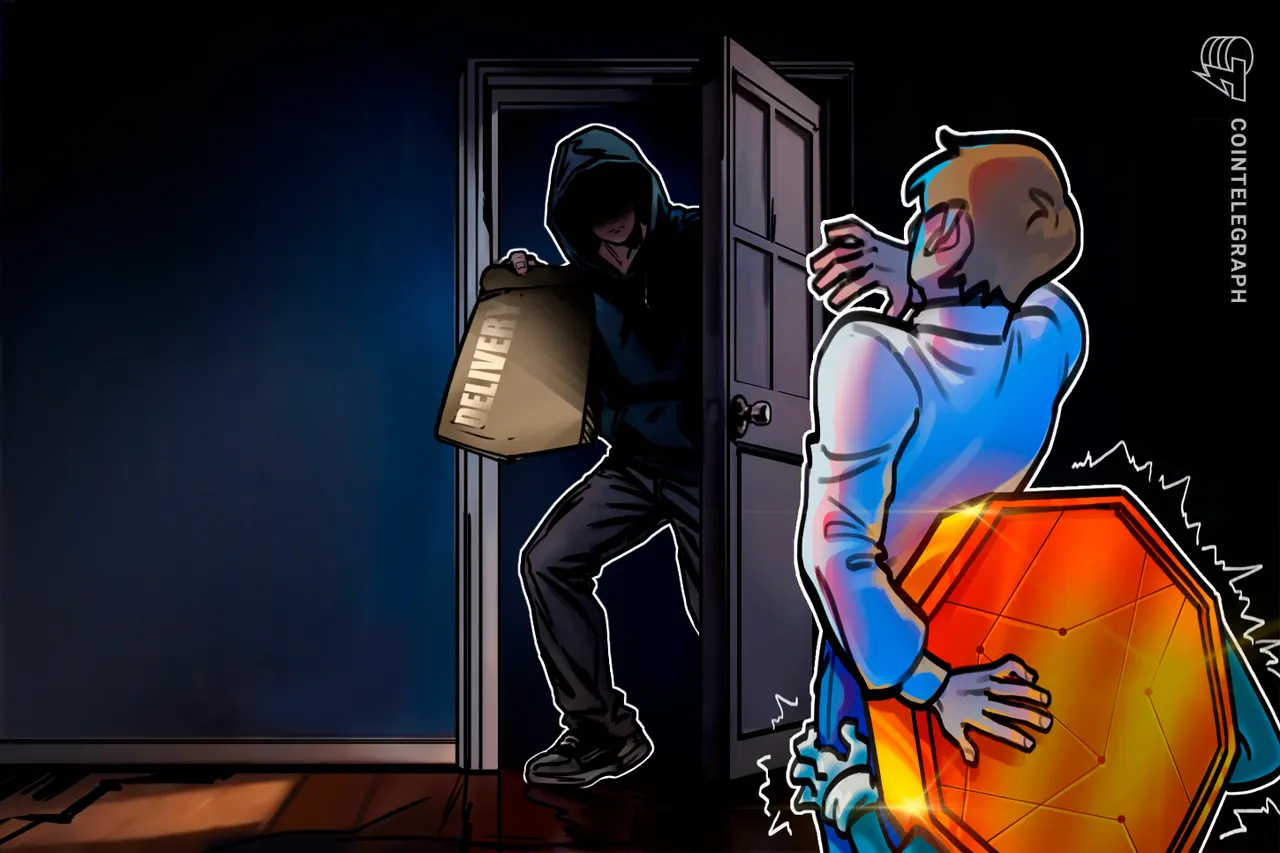
Hardware wallet maker Keystone says a breach of its website exposed the shipping addresses of customers who bought its devices. The disclosure puts personal details of crypto holders in the hands of an unknown party, and the company's customers now face a risk that goes beyond the digital world.
A security researcher who flagged the incident warned that the leaked shipping details could expose crypto holders to targeted scams and even physical attacks. The concern is straightforward: a home address tied to the purchase of a hardware wallet signals that the recipient likely owns digital assets, which makes the person an attractive target.
Why address leaks matter in crypto
A hardware wallet stores private keys offline, and a leak of shipping data does not by itself give anyone access to funds. The danger lies elsewhere. Attackers can use names and addresses to craft convincing phishing messages, impersonate support staff or send fake replacement devices. In the worst case, criminals who know where a likely crypto owner lives could attempt in-person coercion, sometimes called a wrench attack.
That is why a breach at a wallet vendor carries more weight than a comparable leak at an ordinary online store. The customer list itself is sensitive, because it identifies people who hold crypto.
What buyers can do
People who ordered from Keystone should treat unsolicited emails, texts or calls about their wallet with suspicion, and should never enter a recovery phrase anywhere online or share it with anyone claiming to be support. Anyone worried about physical exposure may also consider extra care around deliveries and about discussing holdings publicly.
The company's statement confirms the exposure of addresses, but the material available does not detail how many customers are affected or how the intrusion happened. Those answers will determine how serious the fallout is, and customers will be looking for clear guidance from Keystone on the scope of the incident and on any steps it takes to prevent a repeat.
More from this day
See all →
SpaceX Raises $40 Billion in Debt for GPUs as Musk Warns Neoclouds

iPhone Duo Teardown: iFixit Gives Apple's Foldable 5/10 for Repair
Amazon Settles Kickback Lawsuit With Two Ex-AWS Managers

Anchorpoint Says It Is Not Rushing a Retail Stablecoin Launch
More in: Security
See all →
Apple Blocks Compromised eMudhra Certificates, macOS Fix Coming

AWS Continuum Hits 89% on CyberGym-E2E, but a Catch Remains

'Skynet mode' attack agent hijacks exposed AI models for hacking