nginx HTTP/2 flaws allow remote code execution, F5 urges update
Two critical nginx bugs let attackers run code on a server without logging in. One has been hiding in the code since 2015, and the fix is out.

 SUMO· the number puzzle
 Dialo· learn languages by speaking
 ediviewer· read EDI files like documents
 giftdetect· the right gift in minutes
If you run a website on nginx with HTTP/2 switched on, this is a patch not to put off. F5 said on 18 November that two nginx vulnerabilities let an attacker run code on a server remotely, with no login needed. Both are rated critical, 9.2 on the CVSS v4.0 scale.
Japan's National Cyber Directorate issued its own warning on 19 November and urged administrators to apply the update quickly.
nginx (pronounced "engine-x") is the most widely used open-source web server. It usually sits at the front of a web system, handling HTTPS traffic and passing requests on to applications and APIs. That is why a hole here matters. A successful attack could let someone run commands, steal sensitive data, tamper with a site or knock it offline.
What are the two nginx vulnerabilities?
CVE-2026-123633 is a use-after-free bug, which means memory is released and then still used. It appears when nginx forwards HTTP/2 requests to another server and the number of connections it can handle is close to the limit. Specially crafted traffic can then crash the server or run code on it.
CVE-2026-123007 is much older. It has been in nginx since version 1.9.5, released in 2015. A calculation in HTTP/2 flow control, the mechanism that regulates how much data is sent, can make nginx access memory outside its bounds. Security firm Wiz says it confirmed the attack works even on a server that only serves static files, as long as HTTP/2 is on.
Several security companies found the flaws independently and reported them to F5. Wiz says it found both with Wiz Atlas, its AI code-scanning platform, and used Gemini 4 Carbon and ChatGPT 5.6 Sol to check the impact.
How do I protect an nginx server?
F5 has released fixed versions and recommends updating. If you can't upgrade right away, Wiz suggests turning HTTP/2 off as a stopgap. Which versions and setups are affected varies, so check your own configuration.
Apps worth a look
SUMO: the number puzzleTap the right tiles, add them up, hit the target. Easy to learn, hard to master. Free, for all ages.
Dialo: learn languages by speakingTalk to an AI conversation partner; every sentence comes back corrected and explained in your language. 9 languages, A1 to C2.
ediviewer: read EDI files like documentsOpen EDIFACT and X12 messages, see every segment explained, convert to JSON/XML, export PDF and Excel. Runs locally, no upload.
giftdetect: the right gift in minutesPick who it is for, the occasion and their personality. The search engine reads product descriptions from local shops and ranks what fits. Free, no sign-up.
More from this day
See all →
Los Santos flooding study: scientists drown a GTA 5 city

Howl humanoid robot is being trained to collect eggs from coop floors

Taco AI: a stopwatch-sized voice remote that doubles as air mouse

.zr domain: who owns a dead country code, and why .su survives
More in: Security
See all →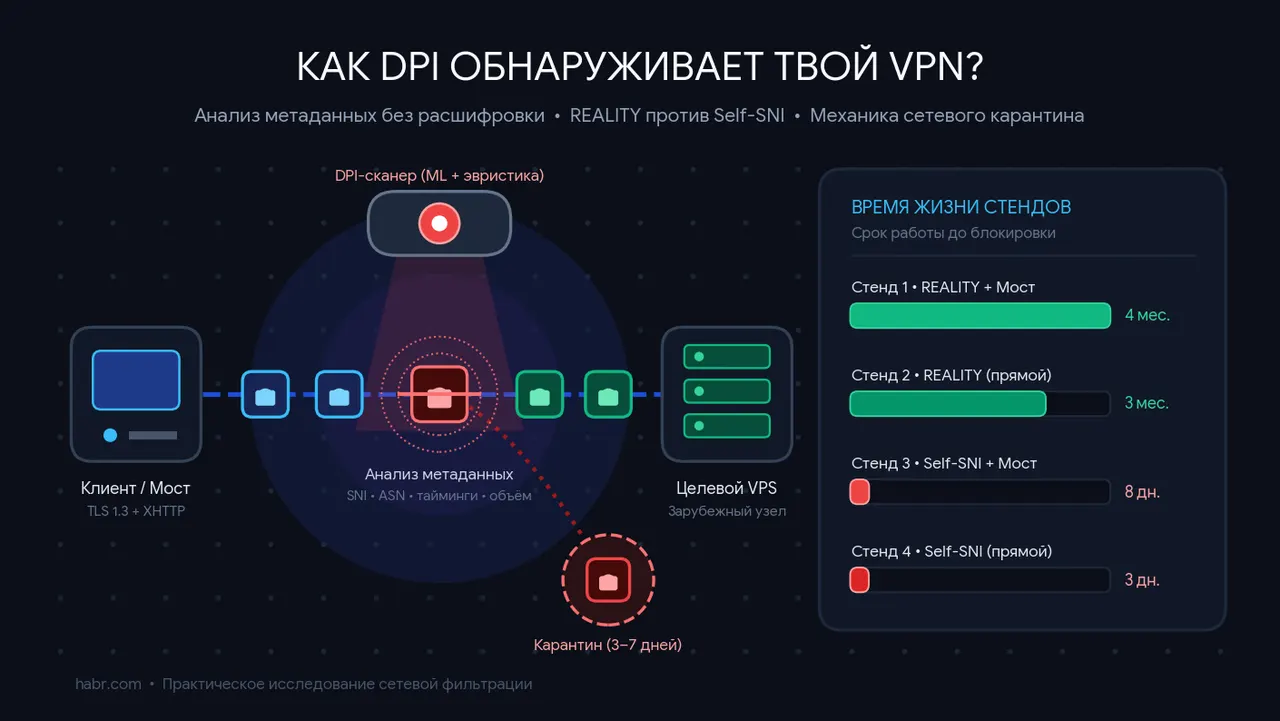
How DPI detects a VPN: four home-built servers, blocked in days

Windows 11 Emerging Risks will warn you about risky apps and drivers

Optimizely hack: malicious script hit BBC, Ikea and Zoom sites